
Travel Guide
Plan your visit around Nairobi National Park, Nairobi National Museum, and more of Nairobi, Kenya.
Discover the best things to do in Nairobi, Kenya, from signature sights to memorable local experiences.
The city delivers a compact mix of urban culture and nearby wildlife: Nairobi National Park sits a short drive from central neighbourhoods, while museums, craft markets, galleries and forested green spaces offer accessible options for short visits and family outings.

Why Visit Nairobi
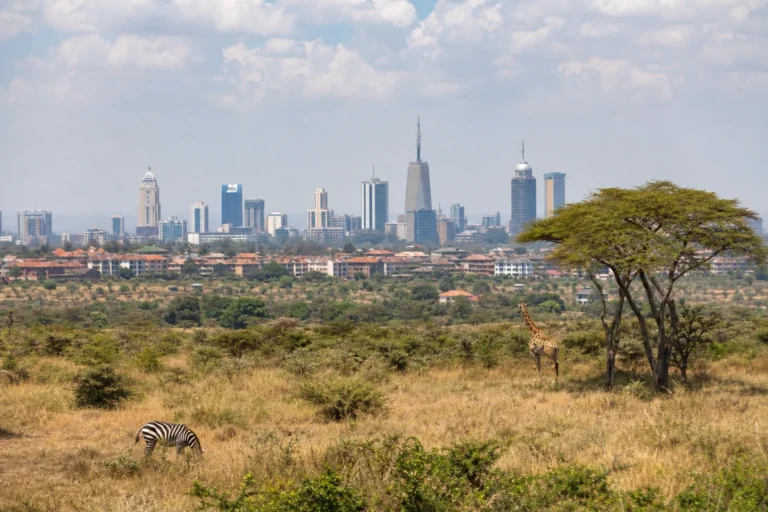
Visitors come for striking contrasts: Nairobi National Park’s savanna against a city skyline, active cultural institutions like the Nairobi National Museum and Nairobi Gallery, vibrant craft markets and a growing contemporary dining and arts scene.
The city is also a practical gateway to Kenyan safaris, highlands and the coast, while conservation and education attractions offer family-friendly experiences.
Top Things to Do in Nairobi, Kenya
Nairobi pairs city attractions with nearby conservation areas, letting visitors combine short game drives, museums and neighbourhood food or market walks without leaving the metropolitan area.
Nairobi National Park
Nairobi National Park is Kenya’s protected savanna immediately south of the city, managed by the Kenya Wildlife Service. It’s notable for plains game, predators and rich birdlife viewed against a city skyline—ideal for short safaris, wildlife photography and birdwatching.
Visitors commonly take self-drive or guided game drives on established roads and may visit picnic points and conservation sites.
The park enforces rules (stay on roads, remain in vehicles except at designated sites, minimum viewing distances, single‑use plastic restrictions) and requires paid entry; check KWS for gate procedures, permits and any temporary access changes before visiting.
Nairobi National Museum
The Nairobi National Museum is the flagship National Museums of Kenya site presenting the country’s natural history, archaeology, ethnography and contemporary art. Visitors move through curated galleries tracing Kenya’s prehistory, fossils and cultural diversity, and can combine a museum visit with adjacent NMK sites.
Admissions, special exhibitions and group visits may require advance booking or online ticketing; check NMK channels for current access, temporary closures or exhibition schedules.
David Sheldrick Wildlife Trust (elephant orphanage)
The David Sheldrick Wildlife Trust Nairobi Nursery cares for rescued elephant calves (and occasionally rhinos) and offers a fixed public hour where keepers present the mid‑day mud bath and milk feed. It’s a structured, conservation-focused encounter that supports rescue, veterinary care and reintegration work.
Public access is strictly by advance booking with SWT, and visitors must allow time for Kenya Wildlife Service park entry procedures at the KWS gate; observe the Trust’s on‑site protocols and confirm current booking windows and access details with SWT and KWS before travelling.
Official David Sheldrick Wildlife Trust (elephant orphanage) website →
Karura Forest
Karura Forest is a large urban montane forest reserve managed by the Kenya Forest Service and supported by Friends of Karura Forest. It’s Nairobi’s accessible ‘green lung’ with waymarked walking, running and cycling trails, waterfalls, riverine habitats and birding opportunities.
The forest offers guided eco‑walks, bike hire and downloadable maps; managed access rules (trail designations, cycling restrictions, passes or guided‑tour bookings) apply, so check official channels for trail closures or special management notices before visiting.
Bomas of Kenya
Bomas of Kenya is a cultural centre in Lang’ata showcasing reconstructed traditional homesteads, live music and dance performances, and cultural demonstrations representing Kenya’s ethnic diversity. Visitors can tour life‑size bomas, watch scheduled performances and combine visits with meals or conference facilities on site.
Performances run to set schedules and private hires or group bookings require advance arrangements—confirm current show times and booking requirements on the Bomas of Kenya official site.
Nairobi Safari Walk
Nairobi Safari Walk, operated by Kenya Wildlife Service beside Nairobi National Park, is a raised‑boardwalk interpretive facility that recreates wetland, savannah and forest habitats for close but controlled wildlife viewing. Designed for education and short visits, it’s well suited to families and school groups and offers guided nature‑education tours.
Entry and activities follow KWS park rules (stay on the boardwalk, safety guidelines, park entry payments); check KWS pages for bookings, school‑visit arrangements and any temporary access changes.
Nairobi Gallery
The Nairobi Gallery is an NMK site housed in the historic Old Provincial Commissioner’s building and combines colonial architecture with the Murumbi collection and rotating contemporary art shows. Visitors see curated displays of traditional and modern art, textiles and temporary exhibitions highlighting Kenyan and pan‑African artists.
As an indoor cultural venue, gallery access, guided tours and special exhibitions may have booking requirements or temporary closures—verify current access with National Museums of Kenya before visiting.
Nairobi City Market
Nairobi City Market is a historic central market in the Central Business District known for fresh produce, cooked street food and artisan crafts, including textiles, beadwork and carved goods. It’s a lively working market rewarding early‑morning visits for the freshest produce and quieter browsing; expect crowded aisles, informal haggling and limited formal parking.
Check Nairobi City County notices for operating hours, temporary relocations or redevelopment works before you go.
Best Time to Visit Nairobi
Nairobi’s main dry season (June–September) offers cooler mornings and drier conditions for park visits and walking. A secondary drier spell around December–February is warmer and suits outdoor dining and festivals.
The long rains (March. May) and shorter October.
December rains bring heavier showers that can disrupt road travel and some outdoor activities. Choose dates based on the activities you prioritise.
SPECIAL EVENTS IN Nairobi
Nairobi International Trade Fair (NITF) — Agricultural Society of Kenya
The Nairobi International Trade Fair is the Agricultural Society of Kenya’s flagship, week-long exhibition at the Jamhuri Park Showground that brings together regional and international exhibitors, livestock displays, agri‑tech demonstrations, manufacturers and family attractions. It’s a major commercial and cultural draw for buyers, exporters and travelers wanting to see East African agriculture, try local products, and attend trade and entertainment programming. Visitors value the show for business networking, product launches and a broad snapshot of Kenya’s rural and urban trade sectors. ([ask.co.ke](https://ask.co.ke/nairobi-international-tradefair/?utm_source=openai))
- Dates
- September 28, 2026 - October 4, 2026
- Venue
- Jamhuri Park Showground
NBO Film Festival
An annual Nairobi-based film festival celebrating Kenyan, African and diaspora cinema with public screenings, juried competitions, industry programmes and community events—designed for both general audiences and film professionals. Organisers have announced the 2026 edition for October 15–25 with an expanded programme including competitions, a filmmaker retrospective and a project showcase, staged across multiple Nairobi venues. Travelers may attend premieres, panels, networking sessions and city screenings that highlight contemporary African storytelling and industry opportunities. ([nbofilmfest.com](https://www.nbofilmfest.com/?utm_source=openai))
- Dates
- October 15, 2026 - October 25, 2026
- Venue
- Prestige Plaza; Unseen Cinema; Kaloleni Social Hall; Alliance Française Nairobi
Standard Chartered Nairobi Marathon
Kenya’s flagship road race and a major international running event, the Standard Chartered Nairobi Marathon attracts elite athletes, thousands of amateur runners, and lively local spectators. The race is organized to raise funds and awareness for community initiatives while showcasing Nairobi’s city streets and sporting culture. Travelers may care for the high-level competition, festival-like race-day atmosphere, and opportunities to combine spectating with nearby cultural and nature attractions; plan for road closures and early start times. ([nairobimarathon.com](https://www.nairobimarathon.com/?page_id=924&utm_source=openai))
- Dates
- October 25, 2026
- Venue
- Uhuru Gardens
Getting Around Nairobi
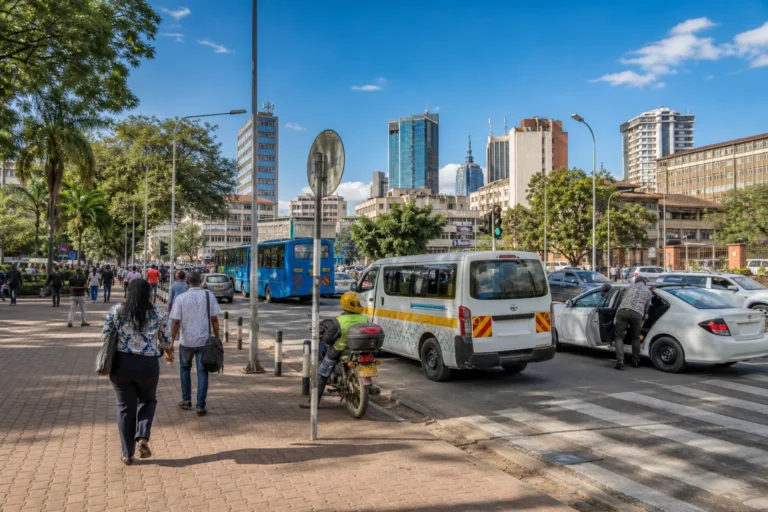
Getting around mixes informal and formal transport: matatus (shared minibuses), city buses and motorcycle taxis handle short hops, while app-based ride‑hail and metered taxis provide private rides. Traffic can be severe at peak hours, so allow extra time for airport transfers or cross-city journeys.
Central areas are walkable in daylight; for park or suburban trips consider organised transfers or guided tours.
Location
Map of Nairobi, Kenya
The interactive map loads only when you choose to view it.
Plan Your Visit to Nairobi
Confirm visa and entry requirements with official Kenyan government channels, and check attraction operators (Kenya Wildlife Service, National Museums of Kenya, Sheldrick Wildlife Trust, Kenya Forest Service, Bomas of Kenya) for booking rules, conservation fees and any temporary closures before you go.
Local Tips for Nairobi
Use metered taxis, ride‑hail apps (Bolt, Little) or vetted tour operators for airport transfers and day trips rather than unmarked vehicles. Carry small Kenyan shillings for markets and matatus for very short hops, and bring photocopies or digital scans of ID and booking confirmations for wildlife attractions.
Dress casually and bring sun protection and a light rain layer year‑round. For popular wildlife visits, reserve spots in advance with the managing organisations.
Live conditions
Current Weather

Updated 2026-09-22 01:15
- Feels like
- 13°C / 56°F
- Today’s high / low
- 26°C / 79°F · 14°C / 57°F
- Humidity
- 83%
- Wind
- → 13 km/h
- Precipitation
- 0.01 mm
- Chance of rain
- 12%
- Local time
- 2026-09-22 01:34
Safety
Nairobi is generally safe for visitors who use common-sense precautions: avoid poorly lit or deserted areas after dark, secure valuables, and use hotel-approved transport or reputable ride-hail services. Follow Kenya Wildlife Service guidance inside Nairobi National Park and keep to vehicles and designated routes; obey rangers’ instructions.
For demonstrations or large gatherings, keep a safe distance and follow local police advisories. Check embassy and official Kenyan sources for up-to-date advisories and emergency contacts.