
Travel Guide
Plan your visit around Gamla Stan, Royal Palace, and more of Stockholm, Sweden.
Discover the best things to do in Stockholm, Sweden, from signature sights to memorable local experiences.
Start where medieval streets, world‑class museums and leafy islands meet. The compact centre clusters Gamla Stan, the Royal Palace and waterfront promenades, while Djurgården concentrates the Vasa Museum, Skansen and Moderna Museet.
Short ferry rides and efficient public transit make it easy to combine concentrated museum days with nature detours to parks, shoreline cafés and archipelago departures.
Why Visit Stockholm
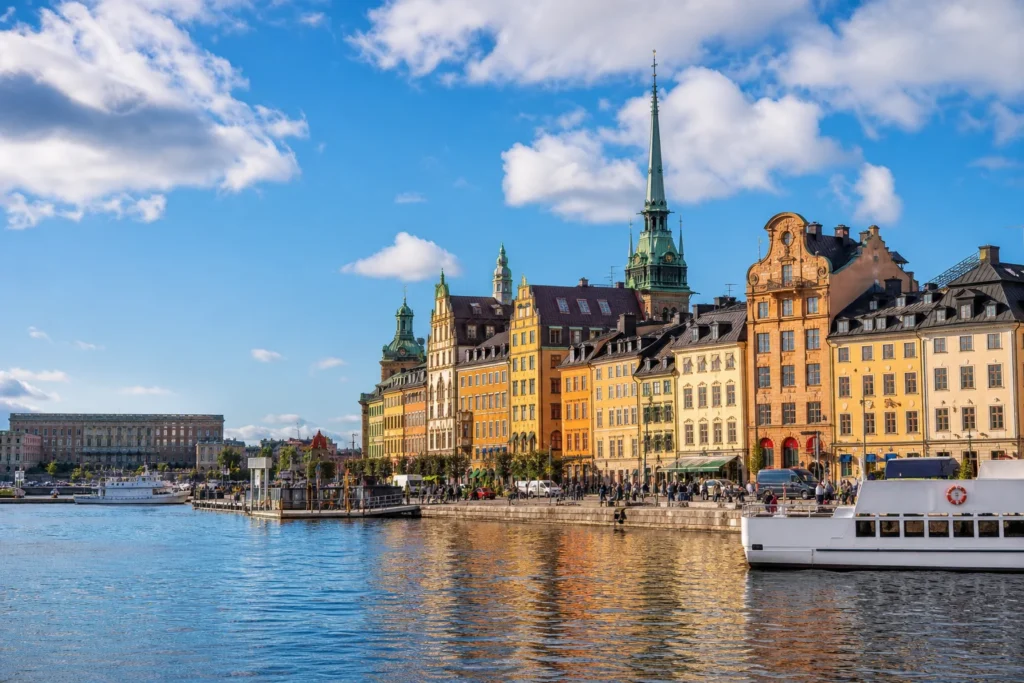
Stockholm blends history, Scandinavian design and easy access to nature in a single trip. Gamla Stan’s atmospheric alleys and the Royal Palace show the city’s layered past, while Djurgården hosts the Vasa Museum, Skansen and Moderna Museet.
Architectural highlights such as Stockholm City Hall and the lakeside Drottningholm Palace add civic and royal context. The city’s waterfront walks, island ferries and short archipelago trips give Stockholm a distinct maritime character, and its food and café scenes range from traditional Swedish fare to contemporary New Nordic cooking.
Top Things to Do in Stockholm, Sweden
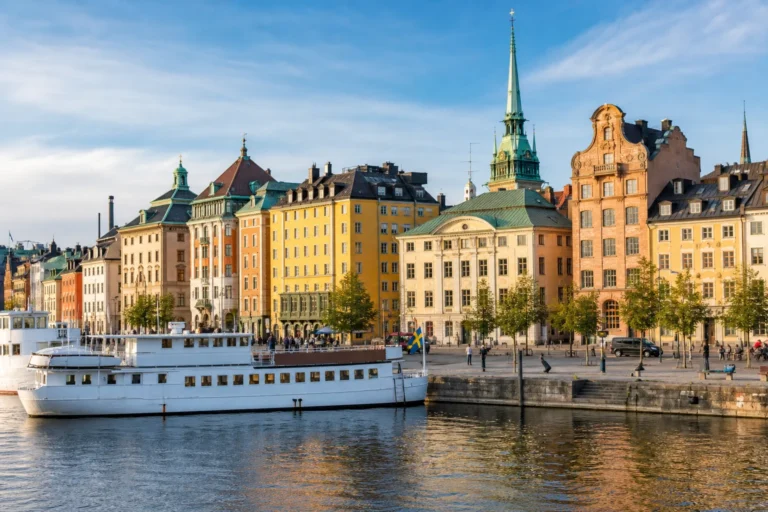
Stockholm’s compact layout makes it easy to visit multiple highlights in a day: wander Gamla Stan, cross to Djurgården’s museums, and fit in a city‑hall tower view or a palace outing to the outskirts.
Gamla Stan (Old Town)
Gamla Stan is Stockholm’s oldest district, occupying the island Stadsholmen and settled from the thirteenth century. Narrow, winding cobbled streets and colourful merchant houses from the sixteenth and seventeenth centuries create the area’s distinctive scale and rhythm.
Stortorget anchors the neighbourhood, surrounded by historic townhouses and small public museums that explain civic life and culture.
Västerlånggatan and Österlånggatan are the principal shopping streets, but the true charm lies in side alleys like Mårten Trotzigs gränd. Around three thousand people live here year‑round, creating a living neighbourhood of taverns, cafés, galleries and artisan shops; step off the main streets and look upward for architectural details.
Royal Palace (Stockholms slott)
The Royal Palace serves as Sweden’s official royal residence and ceremonial setting, built in the Baroque idiom after the 1697 Tre Kronor fire and largely shaped by Nicodemus Tessin the Younger. The palace’s façades dominate the eastern edge of Gamla Stan and house richly decorated state rooms and formal reception chambers that convey ceremonial grandeur.
Exhibits include Rikssalen (the Hall of State), Gustav III’s Museum of Antiquities, the Tre Kronor Museum beneath the present building and the Livrustkammaren (Royal Armoury) with armor, coronation garments and ceremonial coaches. Parts of the palace are occasionally closed for state events, so verify official visitor information before your plan visit.
Vasa Museum
The Vasa Museum on Djurgården centres on the 17th‑century warship Vasa, preserved almost intact after sinking on her maiden voyage in 1628. The ship’s towering hull stands in a purpose‑built, climate‑controlled hall, where ornate sculptures and the vessel’s scale dominate the experience.
Surrounding exhibition spaces explain construction, armament and the political ambitions that commissioned the ship.
Lower galleries display thousands of recovered objects—from personal belongings to rigging and ordnance—and conservation and research are visible parts of the visit, with laboratory work and stabilization efforts presented alongside interpretive displays. Allow time for the ship gallery, documentary film and multilingual audio guides; check the museum’s official pages for seasonal programming.
Skansen
Skansen, founded in 1891, is the world’s oldest open‑air museum and gathers about 190 historic buildings relocated from across Sweden to present regional environments and traditional livelihoods. The hillside site hosts reconstructed farmsteads, workshops and gardens, with interpreters and craftspeople demonstrating weaving, baking, blacksmithing and other trades to animate everyday history.
Skansen also combines Nordic wildlife exhibits and traditional domestic breeds, a children’s zoo and attractions such as the Baltic Sea Science Center. Seasonal events highlight Midsummer and Christmas customs.
Visiting Skansen involves a spread‑out, partly hilly landscape, so wear comfortable shoes and check official programming for seasonal activities.
Djurgården
Djurgården (Kungliga Djurgården) is a broad, wooded island of museums, parks and shorelines that forms part of the Royal National City Park. Long promenades, sheltered bays and oak groves give the island a surprisingly rural feel inside the city, and many of Stockholm’s major museums and family attractions cluster here.
Historically a royal hunting ground, Djurgården now blends formal promenades, nineteenth‑century park improvements and modern visitor facilities. Ferries and trams serve the museum quarter; plan to walk or cycle between sites and allow time for quieter corners away from the main museum routes.
Many attractions require separate tickets and seasonal scheduling.
Stockholm City Hall (Stadshuset)
Stockholm City Hall is an iconic red‑brick landmark on the waterfront of Riddarfjärden, designed by Ragnar Östberg and completed in the early 1920s. A tall, square tower provides a skyline marker and a compact panoramic view across the city for tower visitors.
Inside, ceremonial spaces include the Blue Hall (Nobel Banquet dining hall) and the Golden Hall, famed for its glass‑and‑gold mosaics.
Guided tours cover banquet halls, the Council Chamber and selected galleries; tower visits help place Stockholm’s islands and waterfronts in visual context. Because the City Hall remains an active civic site, some areas occasionally close for official events—book tours in advance when possible.
Moderna Museet
Moderna Museet on Skeppsholmen presents twentieth‑ and twenty‑first‑century art through a compact sequence of galleries that mix permanent collection highlights with rotating exhibitions. The collection ranges from early modern masters to recent commissions and includes significant holdings of prints, drawings and photographs used for research and display.
Curators emphasize dialogue with artists and active collecting, so exhibitions change regularly and may combine major temporary shows with focused rooms from the permanent collection. The museum’s identity and graphic presence reflect Sweden’s design thinking; check official pages for current exhibitions and practical visitor information before you go.
Drottningholm Palace
Drottningholm Palace occupies a landscaped royal domain on the island of Lovön and is a UNESCO World Heritage site for its intact palace interiors, formal gardens and associated theatre and Chinese Pavilion. The ensemble illustrates 17th‑ and 18th‑century royal architecture and court life while remaining associated with the contemporary Swedish royal household.
Visits combine richly decorated state rooms, garden avenues and specialised historic buildings such as the palace theatre. Because the palace serves representational and residential functions, parts may close during official events and seasonal access varies; Drottningholm is commonly reached by road, commuter rail and boat, so verify official transport and visit pages before travelling.
Best Time to Visit Stockholm
Late spring through early autumn (May–September) delivers the most reliable mild weather, long daylight and full access to outdoor museums, ferries and archipelago cruises. Midsummer (late June) offers traditional festivals but some local businesses close for the holiday.
Shoulder seasons (April–May, September–October) mean fewer crowds and pleasant park colour, while winter is colder and darker but suited to seasonal markets and quieter museum visits.
SPECIAL EVENTS IN Stockholm
Stockholm Pride
Stockholm Pride is the largest annual LGBTQ+ festival in the Nordic region, combining a week of political debates, cultural programming, a major Pride Parade and a multi-stage festival area. It attracts international visitors, community groups and high-profile speakers and performers, making it a key moment for travelers seeking queer culture, nightlife, family-friendly activities and civic visibility. The festival also functions as a hub for local NGOs and public discussion, so visitors can expect both celebratory events and opportunities to engage with current social and political issues.
- Dates
- August 2, 2027 - August 8, 2027
Getting Around Stockholm
Stockholm’s integrated transport network — metro (Tunnelbana), commuter rail (Pendeltåg), trams, buses and ferries — connects islands and suburbs under a single ticketing system. Central attractions are often walkable; Gamla Stan, City Hall and Djurgården museums sit within short transit rides.
Ferries and commuter boats provide scenic cross‑water links to the archipelago. Cycling is common and seasonal bike‑share or rentals are widely available.
For longer trips such as Drottningholm, use regional rail and ferries and consider an SL travelcard for convenience.
Location
Map of Stockholm, Sweden
The interactive map loads only when you choose to view it.
Plan Your Visit to Stockholm
Stockholm is an island city: plan travel time between neighbourhoods and rely on the SL network for most sightseeing. Buy visitor travelcards or mobile tickets through the SL app or at SL information centres.
For airport transfers, rail and bus services serve Arlanda and Bromma. Allow extra time for museum days on Djurgården and for ferry crossings.
Carry an offline or printed map for islands that may have patchy mobile signal and check museum pages for seasonal schedules and closures.
Local Tips for Stockholm
Stockholm rewards walking — explore the narrow streets of Gamla Stan and the waterfront promenades on foot. Use Djurgården ferries and commuter boats to reach the Vasa Museum, Skansen and Moderna Museet; these ferries accept SL tickets.
Museums often offer free coat and bag checks but policies vary, so travel light on museum days. Bring layered clothing year‑round for coastal winds and wear comfortable shoes for cobbles and park paths.
A few Swedish greetings are appreciated, though most staff speak English and will help with directions and tickets.
Live conditions
Current Weather

Updated 2026-09-21 20:45
- Feels like
- 9°C / 49°F
- Today’s high / low
- 16°C / 60°F · 11°C / 51°F
- Humidity
- 69%
- Wind
- ↑ 15 km/h
- Precipitation
- 0 mm
- Chance of rain
- 19%
- Local time
- 2026-09-21 20:57
Safety in Stockholm
Stockholm is generally safe with low violent‑crime rates, but normal urban precautions apply. Watch for pickpockets in crowded tourist areas, on busy metros and ferries, and during events.
Keep valuables in front pockets or a secure bag and avoid leaving belongings unattended in parks. In an emergency call 112.
Report lost or stolen passports or wallets to local police and your embassy or consulate. Follow SL rules on bicycles and escalators and observe quiet carriage norms on some commuter trains.