
سفر کی رہنمائی
کورور کے اہم مناظرمیں نقشے، مقامی جگہیں اور سفر کے آسان مشورے
کورور میں کرنے کی چیزیں تلاش کر رہے ہیں؟ یہ رہنما نمایاں مقامات، مقامی مشورے، نقشے اور موسم کے ساتھ موازنہ کرنے میں مدد کرے گا.
کورور پلاؤ کا مرکزی آبادی اور وزیٹر ہب ہے اور بین الاقوامی شہرت یافتہ Rock Islands Southern Lagoon اور ملک کے بہترین ڈائیو سائٹس تک داخلی نقطہ ہے۔
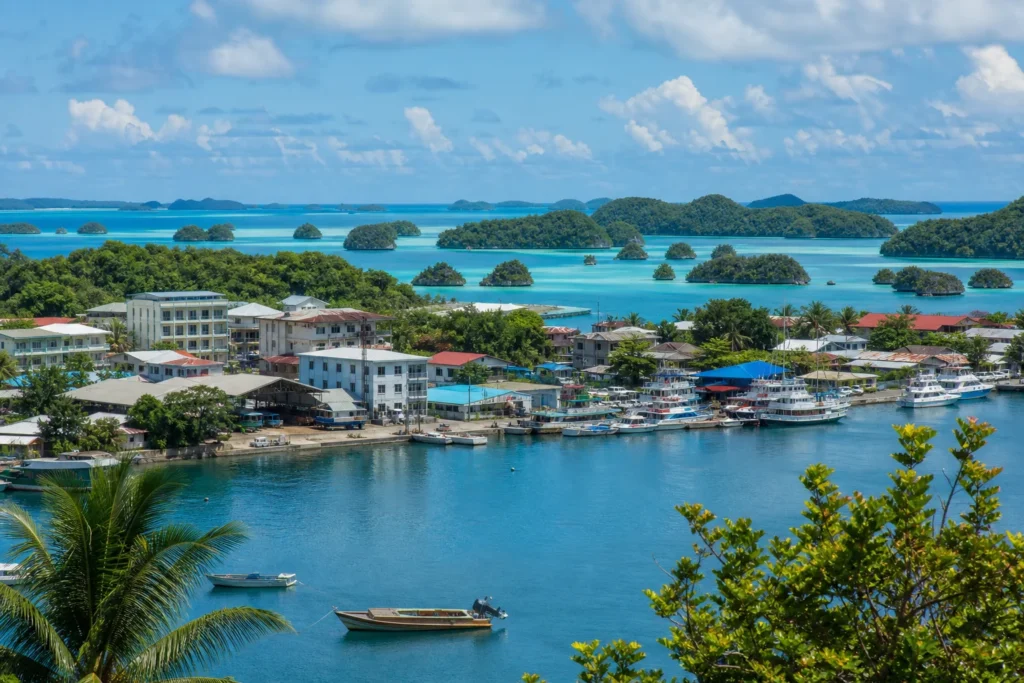
کورور کیوں دیکھیں
سفر کنندگان کورور میں ٹھہرتے ہیں تاکہ عالمی معیار کی ڈائیونگ، یونیسکو میں درج Rock Islands اور Ongeim’l Tketau (Jellyfish Lake) جیسے سمندری جھیلوں تک پہنچ سکیں۔
شہروں سے چھوٹی کشتی کی سیر معدنی چٹانی جزائر، ویران ساحل اور مرجان سے بھرپور لاگون میں سنورکلنگ تک لے جاتی ہے۔
کورور کے حفاظتی پروگرام، تحقیقاتی مراکز اور سیاحت کا ڈھانچہ اسے فطرت اور ثقافت دونوں پر مرکوز سفر کے لیے ایک موثر بنیاد بناتے ہیں۔
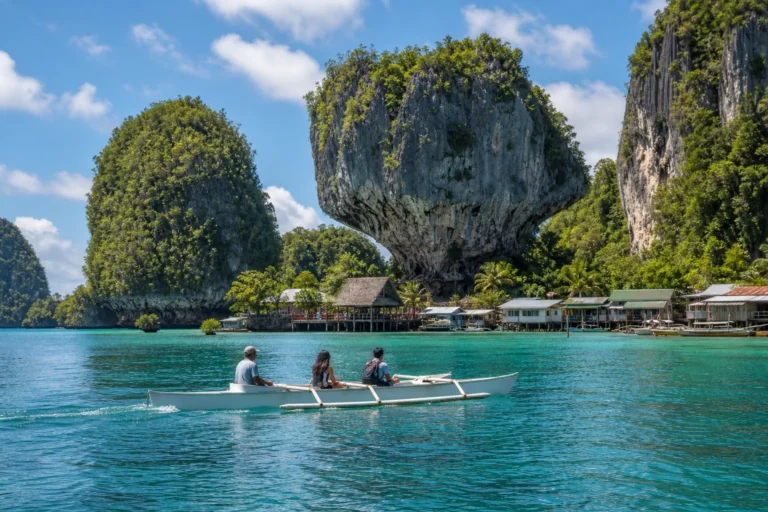
کورور میں کرنے کی چیزیں
کورور Rock Islands Southern Lagoon اور پلاؤ کے بہترین ڈائیو مقامات تک رسائی کے لیے دروازہ ہے۔ زیادہ تر سیاحتی روٹس کشتی، سنورکلنگ اور ڈائیونگ پر مبنی ہوتی ہیں اور کورور کے بندرگاہوں سے روانہ ہوتی ہیں۔
Rock Islands Southern Lagoon (UNESCO World Heritage)
A 100,200-hectare protected seascape of some 445 mushroom-shaped limestone islets, fringing reefs, patch reefs and sheltered lagoons immediately south of Koror.
Inscribed on the UNESCO World Heritage List for its combined natural and cultural values, the Rock Islands are valued for their exceptional habitat complexity (coral reefs, mangroves, seagrass and the world’s highest concentration of marine lakes), endemic species and archaeological evidence of former Palauan settlements.
For visitors the site is experienced from boats and by short landings on selected islands: highlights include scenic views of the limestone domes, snorkeling and diving on nearby reefs, and visits to protected marine lakes.
The property is actively managed by Koror State and Palauan authorities to limit impacts from tourism: many places within the Rock Islands require a Rock Islands/Jellyfish Lake permit, visits are routed and guided by licensed operators, and certain fragile features and marine lakes have restricted access or capacity limits.
Visitors should plan boat-based tours with licensed Koror operators, confirm permit requirements and any site-specific access restrictions with official Koror/Palau authorities before travel, and expect conservation-focused rules (no collecting, limited landings, and behavioural rules while snorkeling/diving).
Jellyfish Lake (Ongeim'l Tketau)
Ongeim’l Tketau (commonly called Jellyfish Lake) is one of the marine lakes within the Rock Islands and is notable for its endemic, largely stingless golden jellyfish and its strongly stratified water column. Historically it offered a unique swimming/snorkelling experience through dense aggregations of jellyfish that migrate across the lake.
The lake is a scientifically sensitive site: jellyfish populations and lake conditions are influenced by water temperature, ENSO cycles and other environmental factors, and monitoring programs have recorded large fluctuations (including severe declines) in jellyfish abundance in recent years.
Access is managed by Koror State and usually requires a specific Jellyfish Lake permit and use of authorized guides; parts of the lake or visitor access have been temporarily restricted or closed at times for conservation or safety reasons.
Because the lake’s ecology and visitor rules have changed repeatedly, visitors should not assume the lake is accessible or that jellyfish densities are as pictured online — verify current permit requirements, seasonal or temporary closures, and any visitor guidelines with official Koror or Palau government sources and licensed operators before attempting a visit.
Belau National Museum (Ngerbeched, Koror)
The Belau National Museum is Palau’s principal cultural and natural history museum, sited in the Ngerbeched area of Koror and founded to preserve Palauan material culture, traditional arts, and island natural-history specimens.
Visitors encounter a compound with a traditional bai (men’s house) and museum galleries that present a continuous timeline of Palauan history (pre-contact through colonial periods and independence), large traditional objects (including full-size canoes), ethnographic items, photographic archives, and displays about Palau’s marine and terrestrial environments.
The site is distinctive for combining community-centered cultural interpretation with conservation-minded natural-history material; it also serves as a research and collections repository used by local scholars and international partners.
Practical visit notes: the museum is run locally and may host rotating or long-term exhibitions and conservation projects, so visitors should verify on the museum’s official contact channels before assuming particular exhibits, programs, or building access are available; special-research access to collections and some displays may require prior arrangement.
Palau International Coral Reef Center (PICRC)
The Palau International Coral Reef Center (PICRC) is Palau’s primary marine-science institute based in Koror that combines research laboratories, a living-collections facility, and a public education component focused on coral reefs, fisheries science, and marine conservation.
Visitors to the PICRC experience interpretive displays, aquaria with locally sourced reef organisms, information about coral-reef monitoring and restoration work (including coral nurseries and citizen-science programs), and educational outreach aimed at divers, students, and tourists.
The centre functions first as an active research facility, so some areas may be closed or access-limited during scientific operations; many visitor activities (guided tours, school programs, or talks) are scheduled and may require advance booking or coordination with staff.
Confirm current visitor access, any required appointments or guided-visit rules, and whether public displays are open by contacting PICRC through its official contact points before planning an indoor visit.
سرکاری Palau International Coral Reef Center (PICRC) ویب سائٹ →
Ngemelis Islands — Blue Corner & nearby dive sites
Ngemelis is the western cluster of the Rock Islands archipelago and contains some of Palau’s signature open‑ocean wall and current dives, most famously Blue Corner along with adjacent sites such as Blue Holes, New Drop‑off and Big Drop‑off.
Visitor experience: boat-based liveaboard or day dives from Koror deliver steep coral walls, strong tidal currents, abundant pelagics (schools of jacks, barracuda, trevally), reef sharks and dramatic underwater topography—conditions that create the ‘underwater Serengeti’ effect and make the site internationally renowned.
Why it matters: Blue Corner’s currents concentrate food and attract large aggregations of fish and predators, producing one of the world’s most lauded drift‑dive experiences and high photographic value.
Setting and what to expect: dives are typically drift or current‑entry; experience and good buoyancy control are essential, and dive operators will match divers to the site based on certification level, recent logged dives and comfort in currents.
Practical visit implications: Ngemelis diving is run through licensed Koror operators and is governed by Palauan and Koror State conservation rules (Palau Pledge, marine protected areas and local no‑take zones); expect operator briefings, strong-current procedures, and possible site rotation to reduce pressure.
Visitors should confirm operator safety requirements, minimum experience, and any Rock Islands or site-specific permit/landing rules with their chosen licensed dive operator before booking.
سرکاری Ngemelis Islands — Blue Corner & nearby dive sites ویب سائٹ →
German Channel (famous manta/cleaning-station dive)
German Channel is a man‑cut channel through the barrier reef east of the Ngemelis group that funnels nutrient-rich currents and supports reliable manta ray cleaning/feeding activity at nearby cleaning stations.
Visitor experience: shallow to mid-depth reef and sandy channels where divers and snorkelers frequently encounter reef mantas and diverse small‑cryptic fauna; the site also offers dramatic water‑color contrasts when viewed from boat.
Why it matters: mantas use the channel’s current and cleaning stations regularly, making German Channel one of the most consistent manta encounter sites in Palau and an important site for manta monitoring and identification efforts.
Setting and what to expect: encounters depend on tides, currents and manta behavior — divers should follow strict approach distances and behaviour rules at cleaning stations to avoid disturbing animals.
Practical visit implications: German Channel is accessed by licensed operators from Koror and is subject to Palauan conservation practices and local guidance; operators may limit swimmer numbers at cleaning stations and enforce minimum distance/wake rules.
Visitors should verify with a licensed Koror dive operator about any seasonal or temporary restrictions, skill/experience requirements, and recommended approach protocols before planning a dive or snorkel there.
سرکاری German Channel (famous manta/cleaning-station dive) ویب سائٹ →
Ulong Channel (Ngerumekaol) — major dive/wall site
Identity and visitor value: Ngerumekaol (commonly called Ulong Channel) is a natural 500‑metre channel cut through the outer barrier reef west of Ulong Island and a widely recognised drift‑dive classic in the Palau/Ngemelis complex.
The site’s value for visitors comes from dramatic current‑driven encounters — schools of trevally and snapper, frequent grey‑reef and whitetip sharks, and one of the largest known beds of lettuce coral — together producing high photographic and marine‑life interest.
What the visitor experiences: Typical visits are boat‑based day dives or liveaboard stops from Koror. Divers usually start by reef‑hooking at the channel mouth to watch predators gathered in the flow, then finish the dive riding a fast drift into the lagoon.
Depths are moderate (reef slopes and sandy channel floors), visibility can be excellent when oceanic water flushes the channel, and the site is often done on an incoming tide to maximise wildlife action.
Practical, durable visit implications: Ulong Channel is best dived with a licensed Koror operator who times the dive to tides and assigns divers by certification and current experience; reef hooks and strong‑current procedures are commonly used.
Conditions can be moderate to strong current and demand good buoyancy control and drift‑dive skills — some sections are more suitable to advanced and experienced intermediate divers than novices. Boat transit from Koror is typical (day trip or liveaboard), and operators may rotate sites to reduce local pressure.
Visitors should confirm current conditions, safety and experience requirements, and any Koror/Palau conservation rules with their chosen licensed operator before booking; some local protections affect dive practice but do not generally close the channel to diving (verify current status before travel).
WWII wreck diving sites and related museum/trip departures from Koror
Identity and visitor value: The lagoon and outer reefs around Koror are home to a dense and varied collection of World War II ship and aircraft wrecks — from shallow, easily accessed targets to very large or deep hulks — that together form one of Micronesia’s most important underwater WWII heritage areas.
For visitors the wrecks combine historical interest (sunken Japanese navy and merchant vessels, bombed aircraft and naval equipment) with exceptional reef life and photographic opportunities; many wrecks are notable both for their archaeological interest and for coral and fish communities that have colonised the structures.
What the visitor experiences: Most wreck dives are offered as day trips from dive centres based in Koror; a subset of the most extensive or remote wrecks is visited by liveaboard schedules.
Shallow lagoon wrecks may be suitable for intermediate divers and snorkellers and are sometimes visible from the surface, while larger fleet oilers or freighters and deeper wrecks require advanced wreck or deep‑diving skills and specialised briefing. Many Koror operators pair dives with short on‑boat history briefings and, seasonally, themed wreck expeditions for experienced divers.
Practical, durable visit implications: Diving the wrecks requires careful operator selection — licensed Koror dive operators run the day trips and liveaboards, set skill prerequisites, and control group size and site sequencing for safety and conservation.
Some wreck sites hold unstable ordnance or fragile structures; operators will restrict penetration or close access where safety or conservation dictates. Visitors wanting on‑land context should check Belau National Museum and the Etpison Museum in Koror (they hold WWII material and local historical interpretation) to complement dives.
Because wreck accessibility and safety rules (and any salvage/clearance activities) can change, verify with Koror dive operators and official Palau/Koror authorities before travel whether particular wrecks are open to divers, whether advanced certification or special equipment is required, and whether any conservation or temporary restrictions apply.
کورور کا بہترین وقت
کورور کا بہترین وقت پلاؤ کا خشک موسم ہے، عام طور پر نومبر سے اپریل تک۔
اس عرصے میں بارش کم، سمندر پر سکون اور سنورکلنگ و ڈائیونگ کے لیے مرئی کیفیت عموماً بہتر ہوتی ہے۔ شولڈر مہینے (اپریل کے آخر–مئی اور اکتوبر) کم سیاحوں اور کم قیمت کے ساتھ اچھے ڈائیونگ مواقع فراہم کر سکتے ہیں۔
سال بھر اچانک بارشوں کا امکان رہتا ہے، اس لیے لائیو بورڈ یا رہنمائی شدہ سیر بُک کرتے وقت موسمی تاخیر کا خیال رکھیں۔
کورور میں سفر کیسے کریں
کورور چھوٹا ہے اور زیادہ تر لاجسٹکس پانی یا سڑک پر ہوتے ہیں۔ مقامی پروازیں اور فیریز Babeldaob اور بعض بیرونی جزائر سے جڑتی ہیں، جبکہ Rock Islands تک پہنچنے کے لیے کورور سے کشتی چارٹر، ڈائیو آپریٹرز یا رہنمائی شدہ ڈے ٹرپس ضروری ہیں.
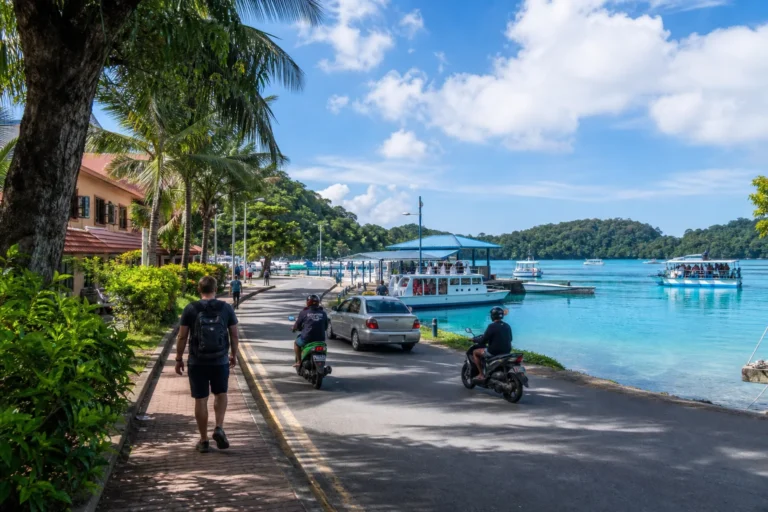
شہری اندر شارٹ ٹیکسی رائیڈز، ٹک ٹک اور رینٹل سکوٹر عام ہیں؛ مرکزی ضلع میں پیدل چلنا کارآمد رہتا ہے۔ جزیرہ ہاپنگ یا ڈائیونگ کے منصوبے بناتے وقت آپریٹر کے پک اپ پوائنٹس، کشتی کے سیفٹی سرٹیفکیٹس اور پارک پرمٹس کی تصدیق کریں۔
مقام
Koror, Palau کا نقشہ
انٹرایکٹو نقشہ صرف آپ کے اسے دیکھنے کا انتخاب کرنے پر لوڈ ہوتا ہے۔
اپنا سفر پلان کریں
Rock Islands اور Jellyfish Lake کی سیر کورور اسٹیٹ کے قواعد کے مطابق منصوبہ بنائیں: Jellyfish Lake عام طور پر مخصوص Rock Islands/Jellyfish Lake پرمٹ اور مجاز گائیڈ درکار ہوتا ہے؛ دوسرے سمندری جھیلیں قانوناً بند ہیں۔
پرمٹس، حفاظتی بریفنگ اور آپریٹر کی پابندیوں پر عمل درآمد کورور اسٹیٹ کے ذریعے ہوتا ہے۔ قواعد اور زائرین کی گنجائش بدل سکتی ہے، لہٰذا سفر سے قبل کورور اسٹیٹ یا اپنے لائسنس یافتہ آپریٹر سے تصدیق کریں۔ بحری مقامات کے لیے رجسٹرڈ ڈائیو آپریٹر استعمال کریں اور جزیرہ ٹرانسفرز و بریفنگ کے لیے اضافی وقت رکھیں۔
مقامی مشورے
کورور Rock Islands کے سفر اور Jellyfish Lake جیسی جگہوں تک مختصر کشتی سفر کے لیے عملی گیٹ وے ہے؛ مقامی کشتی آپریٹرز اور کورور اسٹیٹ رسائی اور پرمٹس کا انتظام کرتے ہیں، لہٰذا Rock Islands/Jellyfish Lake پاس پہلے سے منظور شدہ آپریٹرز یا کورور اسٹیٹ کے ذریعے بک کریں۔
Belau National Museum اور Palau International Coral Reef Center شہر میں واقع ہیں اور سمندری یا ثقافتی معلومات حاصل کرنے کے لیے مفید ہیں۔
بنیادی سڑک اور Malakal علاقے میں فیول، ڈائیو شاپس، چھوٹی دکانیں اور بینک اکٹھے ملتے ہیں؛ کاروباری اوقات غیر رسمی ہوسکتے ہیں اور نقد/کارڈ قبولیت میں فرق ہو سکتا ہے۔
موجودہ حالات
موجودہ موسم

تازہ کاری 2026-09-22 02:15
- محسوس درجہ حرارت
- 88°F / 31°C
- آج زیادہ / کم
- 82°F / 28°C · 80°F / 27°C
- نمی
- 79%
- ہوا
- ↙ 15 mph
- بارش
- 0.07 in
- بارش کا امکان
- 88%
- مقامی وقت
- 2026-09-22 02:21
حفاظت
سب سے اہم حفاظتی پہلو سمندری اور حفاظتی قواعد ہیں: کورور اسٹیٹ بہت سے Rock Islands علاقوں کی حفاظت کرتا ہے اور اکثر سمندری جھیلوں میں داخلہ ممنوع ہے؛ ان قوانین کی خلاف ورزی پر جرمانے عائد ہوسکتے ہیں۔
چینلز اور ڈائیو سائٹس پر مضبوط کرنٹس، تیز کوरल اور اچانک موسم کی تبدیلیاں عام ہیں—سرکاری لائسنس یافتہ آپریٹرز استعمال کریں، بریفنگ پر عمل کریں اور مناسب ڈائیو سرٹیفیکیشن رکھیں۔ چھوٹی کشتیوں پر سورج سے محفوظ رہیں اور پینے کے پانی کا بندوبست کریں۔ حساس مقامات (مثلاً Jellyfish Lake) میں جانوروں کو پریشان نہ کریں اور عبوری بندشیں یا اجازت نامے متعلقہ حکام سے چیک کریں۔