
Travel Guide
Plan your visit around Edinburgh Castle, The Royal Mile, and more of Edinburgh, United Kingdom.
Discover the best things to do in Edinburgh, United Kingdom, from signature sights to memorable local experiences.
You’ll find a compact capital where volcanic ridges, Georgian crescents and a UNESCO‑listed Old and New Town meet.
The city concentrates major museums and galleries within walking distance of the Royal Mile and Edinburgh Castle, while Holyrood Park and Arthur’s Seat offer immediate access to wild ridgelines and panoramic views. Edinburgh’s scale and concentrated public realm make it especially well suited to short stays and repeat visits.
Why Visit Edinburgh
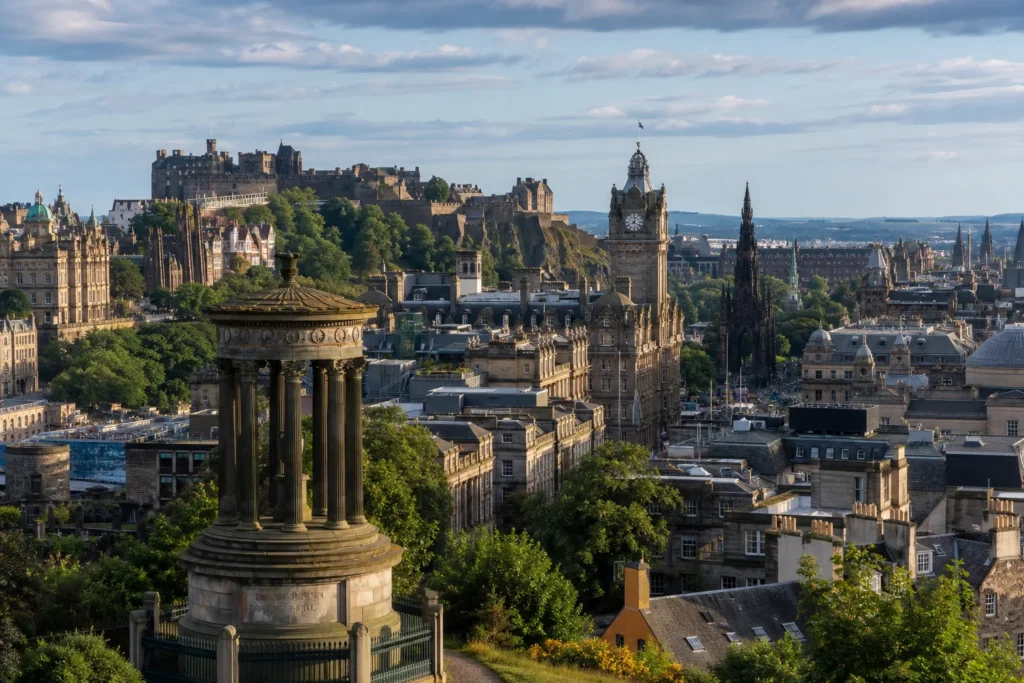
Visitors come for a distinctive fusion of landscape, history and culture. Edinburgh Castle and the Royal Mile present visible national history and dramatic skyline viewpoints, while the Palace of Holyroodhouse connects contemporary royal life with medieval and Renaissance stories.
Major public museums and galleries—the National Museum of Scotland and the Scottish National Gallery among them—offer broad, research‑led collections for families, art lovers and scholars. For nearby nature, Holyrood Park and the Royal Botanic Garden provide accessible outdoor escapes.
The city is also a practical launchpad for day trips across the Lothians and Fife.
Top Things to Do in Edinburgh, United Kingdom
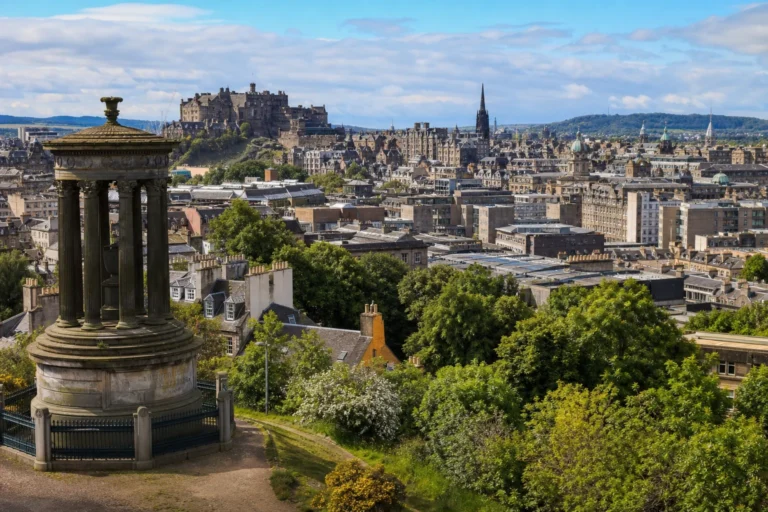
Edinburgh’s principal attractions cluster close together, so you can combine historic sites, museums and hill walks into short, walkable circuits. Here are the city’s essential places to start exploring.
Edinburgh Castle
Edinburgh Castle sits on Castle Rock, a dramatic volcanic plug that dominates the city skyline and frames views in every direction. The fortress’s silhouette defines the Old Town and forms a central element of the Old and New Towns UNESCO World Heritage Site.
Archaeological evidence and early records show the site’s use since the Iron Age before it evolved into a medieval royal residence.
Inside the castle are national treasures such as the Honours of Scotland and the Stone of Destiny, alongside St Margaret’s Chapel—the site’s oldest surviving building. The site mixes royal pageantry and military history: ramparts, artillery displays including Mons Meg, the Scottish National War Memorial and regimental museums interpret Scotland’s civic and martial past.
The Royal Mile
The Royal Mile is Edinburgh’s historic spine, running roughly one Scots mile from Edinburgh Castle to the Palace of Holyroodhouse. Rather than a single road, it’s a linked sequence of streets—Castlehill, Lawnmarket, High Street, Canongate and Abbey Strand—set on a narrow ridge that drops into closes and wynds on both sides.
That ridge setting gives the Mile its dramatic vertical character.
Architectural and cultural landmarks cluster along the route: St Giles’ Cathedral, the Writers’ Museum, John Knox House and the court of Canongate Kirk show civic, literary and religious layers. Beneath the surface, preserved vaults and Mary King’s Close reveal subterranean streets.
Arthur's Seat (Holyrood Park)
Arthur’s Seat is the dominant hill within Holyrood Park, rising above the eastern Old Town and reachable on foot from the Royal Mile. Its open grassy slopes, rocky outcrops and varied hollows create a compact landscape of walks and viewpoints close to the city centre.
The summit walk delivers wide panoramas across the Firth of Forth, the Old Town and the New Town’s grid.
Geologically, the hill is a well‑preserved volcanic remnant formed during Carboniferous volcanism; features such as Salisbury Crags and exposed basaltic plugs reveal successive volcanic events. Paths range from established tracks to rough stone sections and short scrambles, so sensible footwear and basic fitness improve the visit.
The Palace of Holyroodhouse
The Palace of Holyroodhouse is the official royal residence in Scotland, set at the foot of the Royal Mile beside Holyrood Park. The site grew beside a twelfth‑century Augustinian abbey, the atmospheric ruins of which remain within the palace grounds.
Over centuries the palace developed into a sequence of state rooms, private apartments and formal approaches that reflect royal ceremonial life in Scotland.
The State Apartments display paintings, tapestries and furnishings from the Royal Collection, and interpretation highlights rooms associated with Mary, Queen of Scots and the palace’s early modern history.
National Museum of Scotland
The National Museum of Scotland presents wide cross‑disciplinary collections beneath a dramatic Victorian roof and around a tall, light‑filled Grand Gallery. Galleries range across archaeology, natural history, science and technology, design and world cultures, allowing visitors to move between subjects in a single connected route suited to both quick stops and long stays.
The museum brings national and international collections together to trace Scottish stories alongside global connections, emphasising material histories—how objects were made, used, traded and collected. The building itself combines 19th‑century fabric with modern interventions and memorable viewpoints across galleries.
Most public routes are free, though some temporary exhibitions may require tickets; the museum provides maps, accessibility guides and family facilities.
Scottish National Gallery (National Galleries of Scotland)
The Scottish National Gallery, often called the National, presents the country’s core fine‑art collection inside the classical Playfair building on The Mound. Visitors encounter paintings and works on paper spanning the early Renaissance through nineteenth‑century European and British art, with particular depth in Scottish portraiture and landscape.
The hanging balances international masterpieces with artists central to Scotland’s visual history, enabling close looking in relatively intimate galleries. The National offers learning resources and audio tours to guide highlights and technique.
Entry to the national collection is generally free, while special exhibitions may carry charges; check the National Galleries’ official visitor pages for current shows and access arrangements.
Official Scottish National Gallery (National Galleries of Scotland) website →
Royal Botanic Garden Edinburgh
The Royal Botanic Garden Edinburgh occupies a large planted landscape in the Inverleith quarter, with cultivated zones, glasshouses and sweeping beds across roughly seventy acres of display and research ground. Plantings showcase global habitats—from rock gardens to wooded glades—and the Garden encourages slow looking and seasonal return visits.
Origins trace to a seventeenth‑century physic garden, and the Inverleith site has been in use since the early nineteenth century. Notable features include major glasshouses, the rock garden and curated displays highlighting plants from China and the Himalayas.
Beyond leisure, the Garden is an active scientific centre for taxonomy, conservation and public education; check official visitor resources for guided tours and temporary displays.
Calton Hill
Calton Hill is a compact summit east of Princes Street whose grassy terraces host a conspicuous group of nineteenth‑century monuments and small observatory buildings.
The hill’s ensemble—including an unfinished Parthenon‑style memorial, the vertical Nelson Monument and the circular Dugald Stewart Monument—forms one of Edinburgh’s most photographed skyline groups and rewards short climbs with broad city panoramas.
The City Observatory and war memorials add architectural variety to the hill, which is part of the Old and New Towns World Heritage setting. Paths are generally firm but can be exposed to wind on higher points; the summit is especially popular for sunrise, sunset and festival viewing.
Check official guidance before visiting for any event closures or access changes.
Best Time to Visit Edinburgh
Edinburgh is year‑round, but the most comfortable window runs late spring through early autumn when daylight is longest and parks, gardens and hill walks are at their best. Shoulder seasons—May to June and September—balance milder weather, fewer crowds and more accommodation availability than peak summer.
Winter offers quieter museums and dramatic light on the castle, though weather changes quickly: bring layers and waterproofs year‑round.
SPECIAL EVENTS IN Edinburgh
Edinburgh's Christmas
Edinburgh’s Christmas is the city’s major winter festival, combining traditional Christmas markets, seasonal rides and family attractions, an outdoor ice rink, and a programme of performances and community events across the city centre. Produced on behalf of the City of Edinburgh Council, the festival showcases Scottish makers, seasonal food and gift shopping and illuminated displays that draw international visitors and provide lively evening atmospheres. Travelers should note its family-friendly highlights, strong local craft presence, and the easy walkability between attractions in Edinburgh’s historic central districts.
- Dates
- November 14, 2026 - January 3, 2027
- Venue
- East & West Princes Street Gardens; George Street
Edinburgh’s Hogmanay
Edinburgh’s Hogmanay is the city’s flagship New Year festival, a multi-day celebration mixing traditional Scottish customs—torchlight processions and ceilidhs—with large-scale concerts, a world-famous street party on Princes Street, and fireworks from Edinburgh Castle. It attracts international visitors and offers ticketed headline shows alongside free family-friendly programming, making it a major cultural and tourism draw. Travelers should plan well in advance for tickets, accommodation, and transport; expect security searches, cashless payments, and weather-dependent arrangements during winter conditions.
- Dates
- December 29, 2026 - January 1, 2027
- Venue
- Princes Street (Street Party); West Princes Street Gardens (Concert in the Gardens); The Meadows / Old Town (Torchlight Procession)
Edinburgh Jazz & Blues Festival
The Edinburgh Jazz & Blues Festival is a long-established, city-wide music festival showcasing international and local jazz and blues across concert venues, clubs and outdoor stages in Edinburgh. It combines headline ticketed concerts with community programming, parades and educational activity, so travelers interested in live music, cultural festivals, and lively evening entertainment will find varied options. The festival’s blend of big-name acts, up-and-coming performers and free outdoor events makes it an attractive cultural highlight for summer visitors to the city.
- Dates
- July 16, 2027 - July 25, 2027
Getting Around Edinburgh
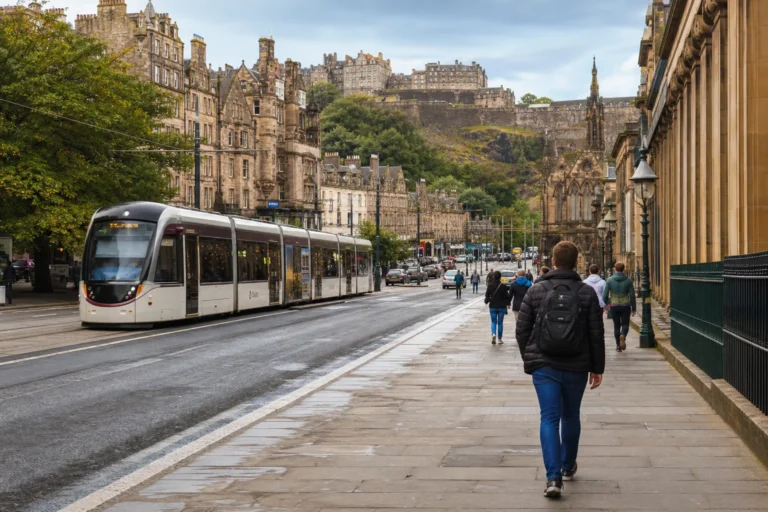
The compact centre is highly walkable; many principal attractions—Edinburgh Castle, the Royal Mile, the National Galleries and much of the Old Town—are best reached on foot. Buses and a tram connect the centre with suburbs, the airport and key parks, with frequent services serving Princes Street, Haymarket and Waverley stations.
Taxis and rideshares fill gaps where transit is slower, and bike routes and bike‑share schemes support short trips. For day excursions beyond the city, regional rail and bus services link Edinburgh with the Lothians, Fife and the Borders.
Location
Map of Edinburgh, United Kingdom
The interactive map loads only when you choose to view it.
Plan Your Visit to Edinburgh
Allow time for steep cobbles and steps when exploring the Old Town. Buy public‑transport tickets via official apps or use contactless on vehicles.
Book entry tickets in advance for major attractions during high season; some sites use timed entry. Carry layers and waterproofs because weather can change quickly, and consider an offline map for narrow streets and intermittent mobile signal.
If arriving by air or rail, use the city’s main rail stations and tram or bus links into the centre.
Local Tips for Edinburgh
Walk the Royal Mile early or late to avoid peak crowds and discover quieter closes and hidden courts. For skyline views, combine short visits to Calton Hill and Arthur’s Seat—terrain ranges from paved paths to rough trails, so bring sturdy shoes.
Many museums and galleries offer free permanent displays; ask staff about guided routes, audio guides or accessibility resources. Sample local bakeries for breakfast, and reserve evenings at popular restaurants.
During festival seasons, book accommodation and key attractions well in advance.
Live conditions
Current Weather

Updated 2026-09-23 02:15
- Feels like
- 14°C / 57°F
- Today’s high / low
- 16°C / 60°F · 10°C / 50°F
- Humidity
- 95%
- Wind
- ↙ 12 km/h
- Precipitation
- 1.09 mm
- Chance of rain
- 76%
- Local time
- 2026-09-23 02:31
Safety
Edinburgh is generally safe for visitors, but standard urban precautions apply. Watch your footing on uneven cobbles, steep staircases and in wet conditions—slips are a common minor hazard.
Some central streets and nightlife areas can attract pickpockets, so keep valuables secure and use zipped bags. If walking hills or parks after dark, stick to well‑lit paths and tell someone about longer routes.
For medical emergencies use local NHS services; consult official transport and attraction pages for the latest accessibility or temporary restrictions.