
Travel Guide
Plan your visit around Royal Botanic Gardens Victoria, National Gallery of Victoria, and more of Melbourne, Australia.
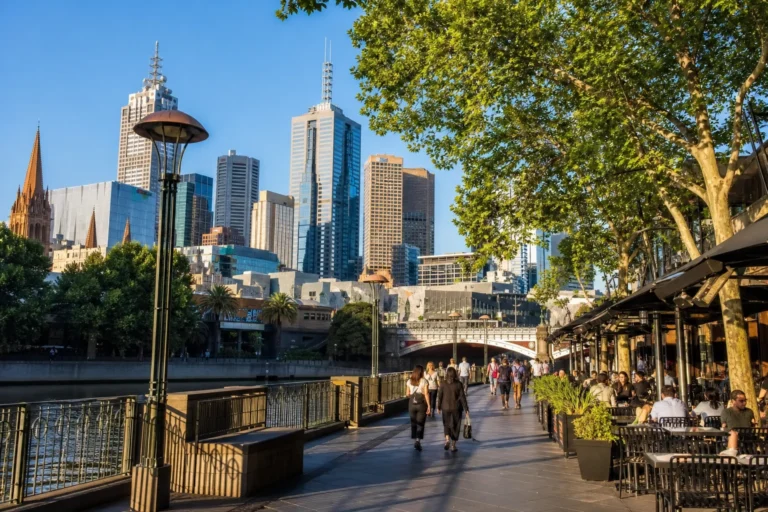
Things to do in Melbourne include world‑class galleries, leafy gardens, bustling markets, laneway cafés and seaside promenades clustered around the Yarra River and a ring of distinctive inner suburbs.
The city blends Victorian‑era parks and grand public buildings with contemporary arts precincts, street art, waterfront promenades and a year‑round calendar of exhibitions, sport and performing arts.

Why Visit Melbourne
Visitors come to Melbourne for concentrated cultural depth and neighbourhood variety: world-class public galleries and museums. Well-preserved 19th-century arcades and leafy gardens.
A celebrated live-sport calendar anchored at the MCG. And an internationally renowned food and coffee scene that plays out in laneways and markets.
The city is also a practical base for exploring Victoria’s coastlines, islands and wine regions. Together, iconic public institutions, waterfront precincts and lively local festivals make Melbourne suitable for short city breaks and longer regional itineraries alike.
Top Things to Do in Melbourne, Australia
From grand public institutions to laneway street art and beachside promenades, Melbourne’s core attractions cluster close to the Yarra River and inner suburbs. Here are the city’s enduring places to visit.
Royal Botanic Gardens Victoria (Melbourne Gardens)
Royal Botanic Gardens Victoria — Melbourne Gardens is a 19th‑century inner‑city botanic landscape that blends scientific collections with picturesque planting. Visitors find broad lawns, winding paths, ornamental lakes and distinct garden rooms established during William Guilfoyle’s tenure, including the dramatic Guilfoyle’s Volcano.
The living collection includes thousands of species across specialized areas such as the Tropical Glasshouse, arid and cactus zones, camellias, conifers and a Rare and Threatened Species Collection focused on native flora.
Beyond display, the Gardens operate as an active research, conservation and education institution housing the National Herbarium of Victoria. Interpretive signage, curator tours and self‑guided trails explain provenance, planting design and ecological significance across seasons.
Official Royal Botanic Gardens Victoria (Melbourne Gardens) website →
National Gallery of Victoria (NGV International)
NGV International is the National Gallery of Victoria’s principal building for international art and design on St Kilda Road. The gallery displays a chronologically broad international collection alongside rotating major exhibitions, fashion and design displays, and public programs that connect historic works with contemporary practice.
Its institutional collection ranges from ancient objects and Old Master paintings to modernist and contemporary works, supported by curator‑led tours and family activities that make the displays accessible to different audiences.
Architecturally, the building’s bluestone façade, water‑feature entry and monumental interior galleries present art in a civic, museum‑scale setting. Practical visitor details—cloakroom policies, ticketing and special‑exhibition arrangements—change with exhibitions and should be checked on the NGV’s official pages.
Official National Gallery of Victoria (NGV International) website →
Melbourne Cricket Ground (MCG)
The Melbourne Cricket Ground (MCG) is Australia’s largest and most storied outdoor sporting arena, set within parkland beside the Yarra River. The site reads as both a working stadium and a civic monument: nineteenth‑century pavilions, mid‑twentieth‑century grandstands and contemporary facilities reflect its long role in cricket, Australian rules football and major international events.
The MCG was the site of the first recognised Test match in 1877 and has since hosted defining sporting moments.
Visitor experiences typically combine guided tours, museum displays and stadium vantage points that explain honour boards, historic artifacts and matchday operations. Because match schedules and logistics change, verify event and access details with the venue before planning a visit.
Federation Square
Federation Square is Melbourne’s contemporary civic piazza and cultural precinct beside Flinders Street Station and the Yarra River. Recognised for bold, fractal architecture and textured facades, the square stitches civic buildings, cultural institutions and commercial uses into interlocking public spaces, terraces and covered galleries.
It hosts major public events, live broadcasts, festivals and everyday social life while housing media, film and Indigenous cultural programs that add institutional depth to the public realm.
Visitors encounter open plaza areas, sheltered arcades and stepped terraces that encourage lingering and movement. Digital façades, an amphitheatre and cafés provide programmed activity and wayfinding to nearby attractions, making Federation Square a practical starting point for exploring central Melbourne.
Queen Victoria Market
Queen Victoria Market is Melbourne’s largest and most historic open‑air marketplace, occupying a full city block near the CBD. The market combines fresh produce stalls, specialty food vendors, independent fashion and homewares with permanent nineteenth‑century sheds and long‑running family traders, giving it the feel of both a functioning city market and a living heritage site.
Daytime visits are sensory: colourful fruit displays, butchers and fishmongers operate alongside cafes and bakeries.
The market runs themed nights and seasonal markets where street food, pop‑ups and entertainment transform the site after hours, and guided tours and tasting walks offer deeper context about food provenance and trader stories. For practical help, use the Customer Information Hub on site.
Shrine of Remembrance
The Shrine of Remembrance is Victoria’s principal memorial set within a parkland reserve on St Kilda Road. Architecturally inspired by ancient memorial forms, the Shrine’s stone massing, columned portico and central sanctuary create a solemn place for reflection.
Visitors encounter formal forecourts, landscaped gardens and an interior sanctuary that frames ceremonial tribute alongside a Stone of Remembrance and reading of names.
The site contains interpretive galleries and exhibitions presenting personal stories, military history and social context for Australia’s wartime and peacekeeping service. The Shrine hosts state commemorations, educational programs and guided tours and is supported by a Visitor Centre and accessibility services.
Eureka Skydeck (Eureka Tower)
Eureka Skydeck occupies an observation platform near the top of Eureka Tower on Southbank, giving broad views across the city, Yarra River and Port Phillip Bay. Large glass windows and annotated sightlines help point out landmarks, while staff and optional audio guides add local context.
The sheltered outdoor terrace provides fresh‑air vantage points when conditions permit, making the Skydeck a straightforward way to orient yourself to Melbourne’s urban layout.
For a more adrenaline‑led experience the tower offers The Edge, a glass cube extending beyond the façade for a suspended view; this operates under separate ticketing and safety controls. Practical visitor notes include fast lifts, peak‑period queues and weather‑dependent visibility.
St Kilda Beach and Pier
St Kilda Beach and Pier form a recognisable seaside promenade where sandy foreshore, promenade gardens and a historic timber pier meet Port Phillip Bay.
The foreshore is backed by wide walking paths, playgrounds and the palms and lawns of Catani Gardens, and the setting is popular for swimming, wind‑sports and informal recreation with the city skyline visible across the bay on clear days.
The pier extends to a sheltered breakwater that supports a mainland little‑penguin colony and important rock‑habitat conservation work. Upgrades to the pier and breakwater aim to improve viewing and protect wildlife while keeping visitors safely separated from nesting areas.
Hosier Lane street art
Hosier Lane is Melbourne’s best‑known street‑art laneway, a narrow bluestone alley near Federation Square where walls, doors and dumpsters carry stencils, paste‑ups, tags and large murals. The lane functions as an open public canvas: pieces appear, are overpainted and vanish again, so the visual experience is ephemeral and constantly refreshed.
This turnover is central to the lane’s appeal and means repeat visits often reveal different imagery.
The lane’s character grew as artists repurposed service alleys in the late twentieth century, and the City of Melbourne now treats Hosier Lane as a designated street‑art precinct.
Best Time to Visit Melbourne
Melbourne’s temperate climate makes spring (September. November) and autumn (March.
May) especially pleasant: temperatures are mild, gardens and street trees are at their peak, and outdoor dining is comfortable.
Summer (December. February) brings long daylight and major outdoor events but can be hot and crowded.
Winter (June. August) is cooler and quieter with indoor festivals and cultural programming more prominent.
Because Melbourne’s weather can change quickly, plan flexible days that mix indoor cultural visits with outdoor strolls.
SPECIAL EVENTS IN Melbourne
Melbourne Fringe Festival
Melbourne Fringe Festival is an open-access, independent arts festival presenting hundreds of short-run theatre, comedy, music and visual works across Melbourne. It programs both emerging and established artists, activated through festival hubs and neighbourhood venues with late-night Club Fringe events and commissioning opportunities. Travelers will discover adventurous, affordable performances and pop-up cultural precincts that showcase local creative communities beyond typical tourist routes; check official channels for program listings, ticketing and accessibility information. ([melbournefringe.com.au](https://www.melbournefringe.com.au/festival-info/festival-faqs?utm_source=openai))
- Dates
- September 29, 2026 - October 18, 2026
- Venue
- Festival Hub: Trades Hall
Melbourne Cup Carnival (Flemington Racecourse)
The Melbourne Cup Carnival is Australia’s premier spring racing festival at Flemington, showcasing elite thoroughbred races, high-fashion competitions, live entertainment and extensive hospitality. The week-long Carnival culminates in the famous Lexus Melbourne Cup and attracts large international and domestic crowds, combining sporting spectacle with food, music and style. Travelers value the Carnival for iconic race-day traditions, major cultural programming and a broad range of ticketed experiences from general admission to premium dining and exclusive Birdcage hospitality.
- Dates
- October 31, 2026 - November 7, 2026
- Venue
- Flemington Racecourse
Australian Open
The Australian Open is a flagship Grand Slam tennis tournament and a major international sports festival in Melbourne that draws top-ranked players, large global audiences, and extensive on-site entertainment and hospitality. Travellers value the event for premium match experiences, precinct activations, concerts, family programming and a lively city atmosphere that pairs well with Melbourne’s dining, culture and transport links. Visitors typically book tickets and accommodation well in advance to secure preferred sessions and combined hospitality or sightseeing plans.
- Dates
- January 11, 2027 - January 31, 2027
- Venue
- Melbourne Park
Melbourne Food & Wine Festival
Melbourne Food & Wine Festival is a city-wide culinary celebration showcasing Victoria’s restaurants, winemakers and producers through a curated program of tastings, long lunches, chef collaborations and pop-up experiences. It draws both local food lovers and visiting travelers seeking immersive dining events, market-style showcases and signature large-scale experiences that highlight Melbourne’s diverse food culture. The festival is a strong draw for trip planning because it concentrates notable chefs, producers and special events in one season, offering unique opportunities to sample regional wine and cuisine.
- Dates
- March 5, 2027 - March 21, 2027
Melbourne International Flower & Garden Show
The Melbourne International Flower & Garden Show is Australia’s premier horticultural expo, showcasing high‑end show gardens, floral competitions, retail flower markets and landscape design across heritage Carlton Gardens and the Royal Exhibition Building. It draws professional designers, nurseries and gardening enthusiasts for immersive displays, workshops and marketplace shopping. Travelers may value its cultural atmosphere, photo opportunities, and access to expert talks and hands‑on demos—useful for planning visits around Melbourne’s spring garden season and for sourcing unique plants or local garden design ideas.
- Dates
- March 17, 2027 - March 21, 2027
- Venue
- Royal Exhibition Building and Carlton Gardens
Melbourne International Comedy Festival
The Melbourne International Comedy Festival is a major annual comedy festival staged across Melbourne, presenting stand-up, cabaret, theatre, improv and street performances by local and international artists. Travelers should care because it brings hundreds of shows across inner-city venues, major theatres and public spaces, creating lively nighttime culture, dining and transport demand — ideal for visitors seeking entertainment, nightlife and unique Australian humour. The festival also features competitions, awards and curated galas that spotlight emerging talent and international acts.
- Dates
- March 24, 2027 - April 18, 2027
Melbourne Writers Festival
Melbourne Writers Festival is Victoria’s flagship annual literary festival that brings writers, readers and storytellers together in the city centre for panels, performances and workshops. Visitors can attend a broad program spanning fiction, non‑fiction, poetry and cross‑disciplinary events, meet established and emerging authors, and enjoy book signings and talks. The festival activates Melbourne’s cultural venues and complements the city’s UNESCO City of Literature status, making it an attractive cultural stop for travelers who value literary events and ideas-driven experiences.
- Dates
- May 6, 2027 - May 9, 2027
- Venue
- Multiple venues across Melbourne CBD
Getting Around Melbourne
Melbourne’s core is highly walkable, with short distances between major cultural sites; pleasant walks connect the CBD, Southbank and nearby laneways. An extensive public-transport network — trams, suburban trains and buses operated across Victoria’s integrated system — serves the wider metropolitan area.
A reusable myki smartcard is used for fares. Trams provide frequent surface service through the CBD and inner suburbs, while suburban trains reach stadiums and regional hubs.
Taxis and rideshares cover late-night or direct-route needs, and many visitors combine walking, trams and short rides to cover the city efficiently.

Location
Map of Melbourne, Victoria, Australia
The interactive map loads only when you choose to view it.
Plan Your Visit to Melbourne
Melbourne is compact and easy to navigate: central attractions sit within the Hoddle Grid and nearby precincts such as Southbank, Carlton and St Kilda. Public transport uses myki (reusable card or Mobile myki) for trains, trams and buses; the City Circle tram and some central stretches are free.
Plan journeys with Public Transport Victoria or Visit Melbourne maps and allow extra time for stadium events or market peaks. Walking and cycling are convenient for short trips; many attractions are within 20–40 minutes’ walk of Federation Square.
Carry a lightweight rain layer—weather can change quickly.
Local Tips for Melbourne
Use the Official Visitor Map and Visit Melbourne resources to orient neighbourhoods and tram routes before arrival. Buy or top up a myki at stations, retailers or via the PTV app and register it to protect your balance.
For Queen Victoria Market, visit early for produce and late‑afternoon for evening stalls; large backpacks may be checked during busy times. For city beaches (St Kilda) and parks (Royal Botanic Gardens), bring sun protection and a reusable water bottle.
For nights out, use licensed taxis, ride‑share apps, or night buses; check tram and train service changes on special event days.
Live conditions
Current Weather

Updated 2026-09-23 00:00
- Feels like
- 6°C / 42°F
- Today’s high / low
- 20°C / 67°F · 5°C / 42°F
- Humidity
- 80%
- Wind
- ↖ 6 km/h
- Precipitation
- 0 mm
- Chance of rain
- 6%
- Local time
- 2026-09-23 00:03
Safety
Melbourne is generally low‑risk but take standard urban precautions. In busy tourist spots (markets, tram interchanges, event precincts) watch valuables and use secure bag closures; report suspicious behaviour to local police.
Near beaches and piers (St Kilda) obey lifeguard flags and posted warnings and enter the water only at patrolled areas. When travelling by public transport, touch on/off correctly with your myki to avoid default fares and be mindful of platform gaps and crowding at peak times or after major events.
For emergency assistance dial Australia’s emergency number 000.