
Travel Guide
Plan your visit around kunanyi / Mount Wellington, Museum of Old and New Art, and more of Hobart, Australia.
Discover the best things to do in Hobart, Australia, from signature sights to memorable local experiences.
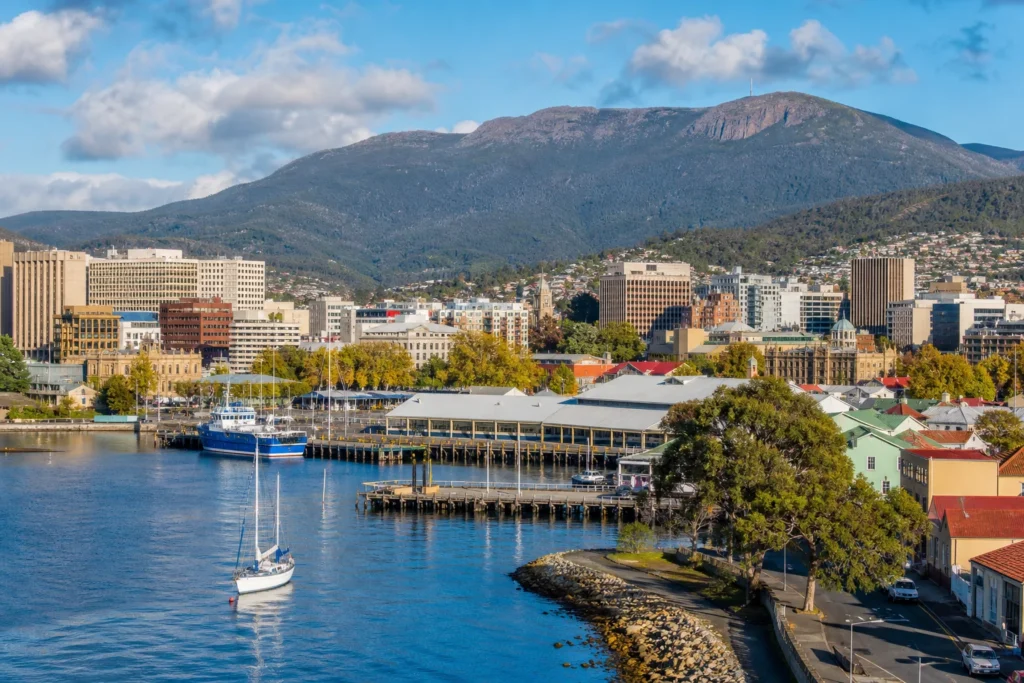
The compact capital of Tasmania sits beneath kunanyi / Mount Wellington and pairs a historic waterfront with a lively contemporary arts scene anchored by MONA and local galleries.
Salamanca Market and Battery Point bring colonial streetscapes and cafe life close to TMAG, the Royal Tasmanian Botanical Gardens and ferry access for short nature outings.
Why Visit Hobart
Visit Hobart for its close mix of accessible wilderness, maritime character and surprising cultural life. Kunanyi / Mount Wellington provides immediate alpine scenery above a historic working waterfront where Constitution Dock, seafood markets and the Sydney–Hobart race legacy shape local life.
MONA and TMAG offer contrasting art and history experiences, while Salamanca Market and Battery Point showcase Tasmanian produce, craft and colonial architecture. Proximity to wildlife conservation sites and scenic drives makes Hobart an efficient base for short nature outings and island ferry trips from a compact, walkable city.

Top Things to Do in Hobart, Australia
Hobart concentrates major experiences close together: mountain viewpoints, a bold private museum, heritage waterfront streets, lively markets and accessible wildlife encounters make for compact, varied days.
Kunanyi / Mount Wellington
Kunanyi / Mount Wellington dominates Hobart’s skyline, rising to about 1,271 metres and forming the eastern edge of Wellington Park, a conserved landscape of roughly 18,011 hectares.
The mountain shows a sharp sequence of environments—from temperate wet forest and fern gullies lower down to subalpine heath and windswept rock near the Pinnacle—offering dramatic viewpoints over the city, the Derwent and distant wilderness.
Visitors use boardwalks, viewing platforms and the Pinnacle shelter to orient themselves; a network of walking and mountain‑bike tracks links suburbs to the summit. Pinnacle Road is the sealed vehicle route but can be affected by snow or congestion, and shuttle buses and signposted walkways provide alternatives.
Museum of Old and New Art (MONA)
The Museum of Old and New Art (MONA) sits at Moorilla Estate on the Berriedale foreshore and is known for a deliberately provocative mix of ancient objects, contemporary installations and immersive commissions presented within subterranean galleries.
Designed as a labyrinthine space, MONA encourages slow exploration and unexpected encounters rather than a single linear route, and its changing exhibitions sit alongside a permanent collection.
Most visitors combine galleries with MONA’s cellar door, winery, restaurants, landscaped grounds and occasional live events. The MONA ferry from Brooke Street Pier takes around 25–40 minutes and provides a scenic arrival option.
Salamanca Market
Salamanca Market runs along Salamanca Place beside Hobart’s waterfront and is a long‑established Saturday gathering that highlights Tasmanian‑made goods. Set among sandstone warehouses, the market concentrates artisan stalls, food sellers and street performers in a compact pedestrian setting, making it easy to browse sequentially along the wharf and into nearby laneways and galleries.
Regular stallholders trade local crafts, prepared foods and produce, offering a one‑stop introduction to Tasmanian makers and specialties. A central information booth and stall lists help locate particular producers.
Pairing a market visit with a short walk into Battery Point or a ferry from Brooke Street Pier is common; check official market pages for maps, stall lists and seasonal notices before you go.
Battery Point historic district
Battery Point is Hobart’s oldest residential precinct, a compact district of Georgian and Victorian cottages, narrow lanes and small gardened plots that reflect nineteenth‑century settlement.
The area rewards slow exploration on foot via established history walks linking landmarks such as Hampden Road mansions, the Mulgrave Battery site and Kelly’s Steps, with interpretation panels and community walking booklets providing context.
House museums like Narryna and local associations offer curated interiors and plaque trails that illuminate maritime life, early industry and urban change. The precinct’s human scale suits photography, heritage interpretation and visits to cafes and small galleries; as a living neighbourhood, respect private property, noise limits and parking rules while exploring.
Tasmanian Museum and Art Gallery (TMAG)
The Tasmanian Museum and Art Gallery (TMAG) is the island’s principal museum for natural history, Aboriginal heritage, social history and visual art. Located on the waterfront in heritage buildings, TMAG displays collections that connect Tasmanian Aboriginal histories, convict‑era and maritime objects, geological specimens and distinctive flora and fauna alongside rotating contemporary exhibitions.
Visitors typically move between focused collection displays and thematic shows; onsite interpretation, selected audio guides and public programs help planning. TMAG manages off‑site house museums and research collections too, so its displays are a useful primer on the island’s environment, culture and history.
Check TMAG’s official resources for program details and accessibility information.
Royal Tasmanian Botanical Gardens
The Royal Tasmanian Botanical Gardens is a compact 14‑hectare public garden in the Queens Domain, founded in 1818 and noted for cool‑climate plant collections and a heritage landscape.
The Gardens combine Tasmanian native species with temperate and historically significant plantings across formal beds, themed precincts, water features and mature heritage trees, offering an accessible introduction to the island’s botanical diversity.
Highlights include the Subantarctic Plant House and curated southern‑hemisphere collections, plus a historic kitchen garden and a Japanese Garden. Visitor amenities include maps, volunteer‑guided walks, a shop and a café.
Paths are generally accessible though some historic areas are uneven; consult the Gardens’ official site for events and conservation notes.
Bonorong Wildlife Sanctuary
Bonorong Wildlife Sanctuary is a hands‑on wildlife rescue and public sanctuary focused on Tasmanian native species. The site combines an active wildlife hospital with enclosures, paddocks and interpretation zones where keepers run short talks and supervised encounters, offering insights into rescue, rehabilitation and conservation work.
Residents include Tasmanian devils, wombats, echidnas, eastern quolls, sugar gliders and forester kangaroos; keeper talks explain natural history and threats such as road trauma and disease. Visitor fees and donations support the sanctuary’s 24/7 rescue service and veterinary work.
Allow at least an hour for a basic visit and follow staff guidance during animal interactions; check official pages for program changes.
Constitution Dock
Constitution Dock is a compact historic harbour basin at the edge of Sullivan’s Cove that functions as a working marina and public waterfront meeting place.
Framed by the sandstone storehouses of Salamanca Place, the dock mixes maritime commerce with visitor services such as seafood stalls and boardwalk views, and it provides close encounters with timber and steel hulls, tidal activity and working anglers.
Internationally it’s best known as the symbolic finish for the Sydney to Hobart Yacht Race; locally it remains a focus for fishing boats, pleasure craft and market activity. The area is walkable from Salamanca and nearby museums but can be busy during festivals and race finishes—check local waterfront or museum sources for event notices.
Best Time to Visit Hobart
Hobart is pleasant year‑round, but late spring through early autumn (November. March) offers the mildest, most visitor‑friendly weather with longer daylight, market season and calmer harbour conditions ideal for waterfront dining and ferry trips to MONA.
Shoulder seasons (September–October and April) are quieter with spring blossoms and crisp autumn colours.
Winter (June. August) is cooler and wetter.
It’s atmospheric for museums and cosy meals and you may see snow dust the summit of kunanyi, but expect shorter daylight and changeable weather.
SPECIAL EVENTS IN Hobart
Taste of Summer (formerly Taste of Tasmania)
Taste of Summer is Hobart’s major waterfront food, drink and music festival that showcases Tasmanian producers, chefs and regional flavours in a lively waterfront precinct. Held around New Year, the event doubles as a destination celebration—featuring live music, curated tasting experiences and a ticketed New Year’s Eve party with views of Hobart’s fireworks and yacht race finish. Travellers come for local produce, seasonal seafood, cool-climate wines and the unique waterfront atmosphere that complements summer travel to Tasmania.
- Dates
- December 27, 2026 - January 3, 2027
- Venue
- Princes Wharf No.1 (PW1), Hobart/Nipaluna waterfront
Australian Wooden Boat Festival
The Australian Wooden Boat Festival is Hobart’s flagship biennial maritime celebration, transforming the city’s waterfront into a showcase of wooden boats, tall ships, craftsmanship, live music, food and family activities. It draws boat owners, shipwrights, maritime historians and visitors from across Australia and overseas for on-water displays, sails, markets and craft demonstrations. Travelers value it for hands-on maritime experiences, historic vessel viewings, and the chance to explore Salamanca and Hobart’s cultural precincts while enjoying waterfront dining, short harbour cruises and local Tasmanian produce.
- Dates
- February 5, 2027 - February 8, 2027
- Venue
- Hobart waterfront (multiple venues including Salamanca Place, Princes Wharf and Constitution Dock)
Royal Hobart Regatta
One of Tasmania’s oldest public sporting festivals, the Royal Hobart Regatta is a family-focused waterfront celebration featuring on-water competitions (rowing, swimming, powerboats), military and aerial displays, fireworks, carnival attractions, and community programming on the Queens Domain. It draws local Tasmanians and visitors for both competitive and spectator activities alongside on-shore entertainment, food stalls and exhibitions. Travelers should plan for waterfront vantage points, ground access rules, and local transport options; the event is organised by the Royal Hobart Regatta Association with Hobart City Council support. ([royalhobartregatta.com](https://royalhobartregatta.com/Regatta/?utm_source=openai))
- Dates
- February 6, 2027 - February 8, 2027
- Venue
- Royal Hobart Regatta Grounds (Queens Domain / McVilly Drive)
Ten Days on the Island
Ten Days on the Island is Tasmania’s statewide arts festival, bringing contemporary theatre, music, visual art, dance and community events to towns and cities across Lutruwita/Tasmania. It highlights local and visiting artists, First Nations creative practice and place-based projects that use unusual sites and regional venues. For travellers, the festival offers an immediate way to experience Tasmanian culture through special exhibitions, performances and pop-up events that connect to landscape, food and history — making it a valuable reason to visit Hobart and the island’s other communities.
- Dates
- March 12, 2027 - March 21, 2027
- Venue
- Multiple venues including State Library and Archives of Tasmania (Allport Library and Museum of Fine Arts); Tasmanian Museum and Art Gallery (TMAG); Moonah Arts Centre; Old Mercury Print Hall; Gaiety Theatre
Festival of Voices
Festival of Voices is Tasmania’s major winter singing festival that brings together community choirs, professional ensembles, workshops and free public singalongs. Held in Hobart, the program mixes large-scale participatory events, concerts in a variety of venues, regional ‘Voices on the Road’ tours and community-facing highlights such as The Big Sing. Travelers interested in music, cultural exchange and participatory experiences value the festival for its welcoming atmosphere, wide stylistic range, and opportunities to join workshops or local singing events across the city.
- Dates
- July 2, 2027 - July 11, 2027
- Venue
- Various locations
Getting Around Hobart
Hobart’s compact core is very walkable: Salamanca, Battery Point, TMAG and the waterfront sit within easy strolling distance. Metro Tasmania buses link suburbs and lower-access roads for kunanyi.
Brooke Street Pier is the main ferry terminal for the MONA ferry, a scenic alternative to driving. Taxis, ride‑hail services and bike rental handle short trips; car hire helps for day trips beyond the city and flexible access to reserves and wildlife sites.
The airport is about 20–25 km north with straightforward onward travel by car or bus.

Location
Map of Hobart, Tasmania, Australia
The interactive map loads only when you choose to view it.
Plan Your Visit to Hobart
Public transport in greater Hobart runs on Metro Tasmania buses, but some sites (kunanyi, Bonorong, MONA) are easier reached by car, organized tour or the MONA ferry. Salamanca Market and the waterfront are pedestrian-friendly but narrow at peak times—allow extra time for walking and parking.
Visitor centres at TMAG and MONA provide maps and accessibility notes. Carry a contactless bank card; most major sites accept cards though some small market stalls may prefer cash.
Local Tips for Hobart
Use Salamanca Place and the Saturday Salamanca Market as a base for food, galleries and guided tours, then stroll into Battery Point for heritage cottages and harbour viewpoints. For kunanyi bring layered clothing and a windproof jacket even in summer; check summit webcams and track notices.
MONA is conveniently reached by a 25–40 minute ferry from Brooke Street Pier or by road—book MONA and winery experiences in advance during peak periods. Expect narrow pedestrian routes at market peak times and plan parking accordingly.
Live conditions
Current Weather

Updated 2026-09-21 16:00
- Feels like
- 7°C / 45°F
- Today’s high / low
- 11°C / 52°F · 4°C / 40°F
- Humidity
- 40%
- Wind
- ← 19 km/h
- Precipitation
- 0 mm
- Chance of rain
- 17%
- Local time
- 2026-09-21 16:18
Safety in Hobart
Normal small‑city precautions apply. On kunanyi / Mount Wellington expect exposed terrain, steep tracks and suddenly changing weather—stay on marked trails, follow Wellington Park signage, carry water and warm layers, and tell someone your route.
At the waterfront and Constitution Dock watch for wet, slippery surfaces and tidal flows; supervise children near water. Follow sanctuary rules at wildlife centres—do not feed or handle animals outside supervised programs.
For current alerts and track conditions, consult Wellington Park Management Trust, City of Hobart or Parks & Wildlife Service before you go.