
Travel Guide
Plan your visit around Stone Town of Zanzibar, Jozani Chwaka Bay National Park, and more of Zanzibar, Tanzania.
Things to do in Zanzibar start with Stone Town’s UNESCO streets and extend to spice farms, Jozani forest and north‑coast beaches. The archipelago’s compact geography makes short road and boat transfers practical, letting visitors combine cultural walking routes with reef snorkels and sandbank trips over a few days.

Why Visit Zanzibar
Zanzibar blends a UNESCO heritage core, spice-cultivation landscapes and strong marine life. Stone Town’s alleys, carved doors and markets tell centuries of trade and cultural exchange, nearby spice farms demonstrate the crops that shaped local cuisine, and Jozani protects endemic wildlife.
For beaches and reef experiences, the north coast and Mnemba Atoll offer clear water, snorkeling and reliable swimming.
Top Things to Do in Zanzibar, Tanzania
Zanzibar’s compact scale means cultural walks, spice tours and short boat trips are easy to combine. The list below highlights the destination’s essential heritage sites, nature reserves and beach experiences.
Stone Town of Zanzibar (Stone Town)
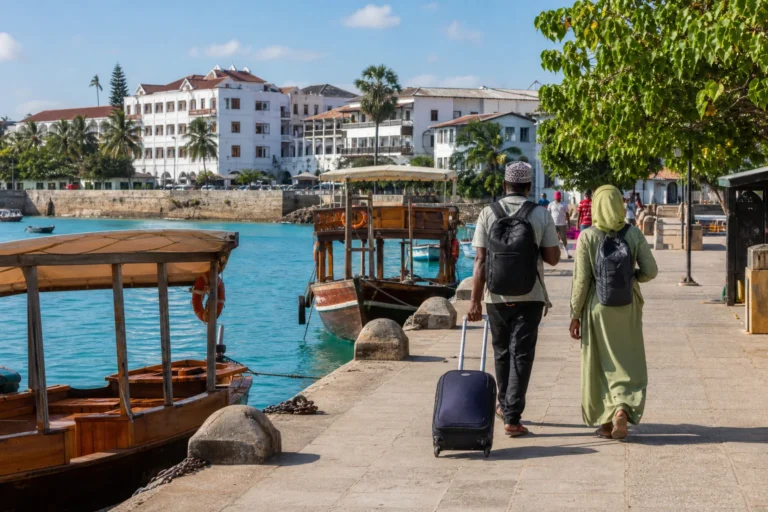
Stone Town is Zanzibar’s historic core and a living example of Swahili coastal urbanism. Visitors navigate a compact maze of coral-stone alleys, high-walled houses and verandas where Omani palaces, colonial civic buildings and family courtyards sit side by side.
The town’s carved wooden doors and seafront mansions provide tangible evidence of centuries of trade and cultural mixing.
Walking is the primary mode of discovery: short guided routes reveal the Old Fort, the Palace Museum and the Anglican cathedral (on the former slave market site), while local storytellers and guides link buildings to family histories and conservation efforts. Stone Town is dense and largely pedestrian; expect shaded narrow lanes and limited vehicle access.
Jozani Chwaka Bay National Park (Jozani Forest)
Jozani Chwaka Bay National Park protects a remaining pocket of Unguja’s native forests and mangroves and is the primary place to see the endemic Zanzibar red colobus.
The park combines groundwater forest, coral rag thicket, salt marsh and coastal mangroves in a compact area where interior trails and a raised mangrove boardwalk reveal varied habitats and birdlife.
Typical visits pair a guided forest walk—where guides interpret medicinal plants and point out small mammals—with time on the mangrove walkway to observe tidal channels. Trails can be muddy after rain, so wear sturdy shoes and insect protection, and book guided visits that support local conservation initiatives.
Forodhani Gardens / Forodhani Night Market
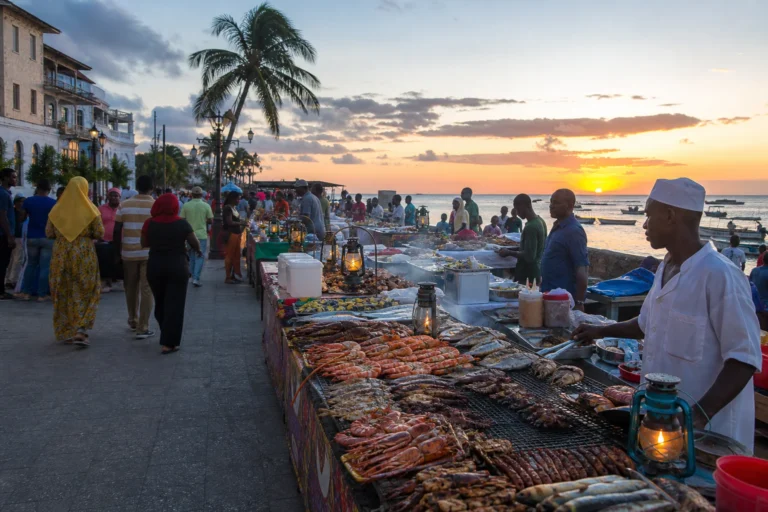
Forodhani Gardens fronts Stone Town’s seafront between the Old Fort and the dhow harbour and transforms at dusk into a lively open‑air food market. Charcoal grills and temporary stalls serve grilled seafood, skewers, fresh juices and the local novelty known as Zanzibar pizza, creating a social waterfront scene popular with locals and visitors.
The market’s atmosphere shifts with the season and events; expect close crowds and informal layouts. Many visitors prefer stalls recommended by hotels or guides.
Combining an evening walk with a stop at Forodhani makes for an easy introduction to Stone Town’s culinary and social life.
Kizimbani Spice Farm (Spice tours)
Kizimbani Spice Farm sits northeast of Stone Town among smallholder plots that grow cloves, cinnamon, nutmeg, black pepper, vanilla and tropical fruits. Guided walks are sensory and hands‑on: visitors smell freshly cut bark, touch whole spices, taste spice‑infused snacks, and see how harvests are processed and used in cooking and traditional remedies.
Many farms include short cooking demonstrations and sell fresh spices or soap. Tours are informal and family run, so verify what’s included with your operator and expect uneven pathways and tropical shade rather than formal paved trails.
Prison Island (Changuu Island)
Prison Island (Changuu) lies a short boat ride from Stone Town and compresses layered maritime history into a small coral outcrop. Its 19th‑century stone building was intended as a detention facility and later used as a quarantine station.
Today the island is best known for its colony of Aldabra giant tortoises, some over a century old, kept in a shaded enclosure that links visitors to colonial‑era exchanges.
The island also offers shallow snorkel spots and small beaches for half‑day visits. Paths are sandy and compact; shade beyond the tortoise area is limited, so plan for sun protection and confirm services before you go.
Nakupenda Sandbank
Nakupenda is a tidal sandbank in the lagoon off Stone Town that appears at low tide as a broad white‑sand platform set inside calm, waist‑deep turquoise water. A standard visit combines a short boat transfer with walking on exposed sand, swimming in sheltered shallows and a simple snorkel over nearby coral patches.
Because the sandbank is ephemeral, its exposed size varies with the tide. There are no permanent facilities or much shade, so bring sun protection, water and a commitment to leave no trace.
Confirm tide times and boat return schedules with your operator before visiting.
Nungwi Beach
Nungwi, at Unguja’s northern tip, combines a working fishing village with a busy beach hub. The shoreline is backed by palms and a compact village street with guesthouses, dive shops and restaurants; a traditional dhow yard where wooden boats are built and repaired is a notable local feature.
The sea off Nungwi remains deep at most tidal stages, making it reliably swimmable and a common launch point for trips to Mnemba and nearby reefs. Expect a lively beachfront with a range of accommodation and evening venues; verify boat‑operator safety and respect working village areas during your visit.
Kendwa Beach
Kendwa Beach lies just south of Nungwi on the northwest coast and is prized for its wide white‑sand shore and west‑facing sunsets. Deeper water close to shore makes swimming possible regardless of tide, so Kendwa is popular with families and visitors who want all‑day beach access without tidal limits.
The beach supports resorts, bars and occasional nightlife events, but between those nights the atmosphere is relaxed and resort‑oriented. Kendwa is also a convenient base for sunset dhow cruises and short boat trips along the north coast; check event dates and local schedules with your accommodation.
Mnemba Atoll (snorkeling/diving)
Mnemba Atoll is a small private island and surrounding fringing reef off Unguja’s northeast coast, protected as a marine conservation area. The reef’s coral gardens host dense schools of reef fish, green sea turtles and frequent dolphin sightings in nearby channels, making it one of Unguja’s premier snorkel and dive sites.
Trips run from northern beaches and operators brief visitors on reef etiquette and permitted routes. Landing on Mnemba itself is generally restricted; guided snorkels and dives take place on the fringing reef outside the private shore.
Verify conservation rules and choose reputable operators to help protect coral and turtle nesting habitat.
Best Time to Visit Zanzibar
Zanzibar has two main dry seasons. The long dry season from late June through October offers lower humidity, clearer seas and the most reliable diving and snorkeling conditions, and is the busiest period.
A shorter dry spell in January–February is also good for sun and water sports. The long rains (March–May) and short rains (November–December) bring higher humidity, reduced visibility for some marine activities, and quieter, often cheaper travel.
Getting Around Zanzibar
Taxis, dala-dalas and private transfers link Stone Town with beach hubs; ferries and speedboats serve nearby islets. Renting a car with a local driver is common for flexible day trips.
Walking is the best way to explore Stone Town’s narrow lanes; expect short unpaved sections and occasional boat transfers to offshore sites.
Location
Map of Zanzibar, Tanzania
The interactive map loads only when you choose to view it.
Plan Your Visit to Zanzibar
Base yourself in Stone Town for heritage access and use short road or boat transfers to reach beaches and offshore sites. Book licensed guides or operators for Jozani, spice tours and marine trips.
Carry ID copies, allow extra time for boat returns tied to tides, and confirm meeting points with operators before departure.
Local Tips for Zanzibar
Explore Stone Town slowly with a local guide to understand carved doors, family histories and heritage rules. Visit Forodhani Gardens at dusk and pick busy food stalls.
Confirm what spice‑farm tours include before booking and choose operators accredited for Mnemba and sandbank trips. Dress modestly near mosques and during prayer times and respect village working areas.
Live conditions
Current Weather

Updated 2026-09-20 16:15
- Feels like
- 30°C / 85°F
- Today’s high / low
- 29°C / 84°F · 24°C / 75°F
- Humidity
- 64%
- Wind
- ↘ 19 km/h
- Precipitation
- 0.01 mm
- Chance of rain
- 61%
- Local time
- 2026-09-20 16:27
Safety
Zanzibar is generally safe for visitors but use normal urban and marine precautions. Protect valuables in Stone Town and avoid quiet alleys at night without a trusted guide.
On boats and beaches, use licensed operators, check for lifejackets, wear reef shoes and reef‑safe sunscreen, and follow local advice about currents and tides. Respect rules in protected areas to avoid fines and to protect wildlife.