
Travel Guide
Plan your visit around Prado Museum, Reina Sofía Museum, and more of Madrid, Spain.
Discover the best things to do in Madrid, Spain, from signature sights to memorable local experiences.
Madrid, Spain’s capital and the central city of the Community of Madrid, is a compact, walkable metropolis built around historic plazas, grand boulevards and a dense cluster of world-class museums along the Paseo del Prado. The city pairs ornate 18th.
19th‑century landmarks such as the Royal Palace with vibrant neighbourhoods. Malasaña, La Latina and Salamanca.
That host markets, tapas bars and nightlife. The Paseo del Prado and El Retiro Park form a UNESCO‑recognized cultural landscape that anchors Madrid’s museum mile, home to the Prado, Reina Sofía and Thyssen collections.
Madrid’s official tourism body positions these civic and cultural assets as the core visitor circuit. ([visitmadrid.es](https://www.visitmadrid.es/en?utm_source=openai))
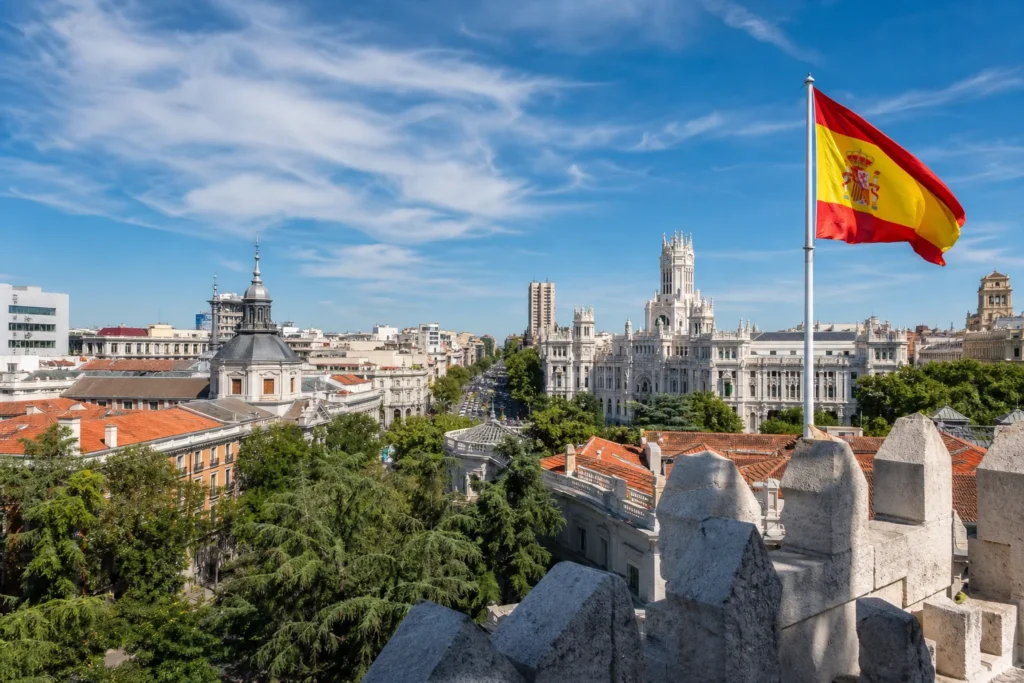
Why Visit Madrid
Madrid concentrates major cultural depth into a walkable core: the Prado, Reina Sofía and Thyssen are clustered along the Paseo del Prado, and nearby landmarks such as the Royal Palace, Plaza Mayor and Puerta del Sol provide historical context.
Visitors value the city’s layered experiences. Top museums and ornate architecture by day, neighbourhood gastronomy and nightlife by evening.
Plus open green space at Retiro Park that balances the urban fabric.
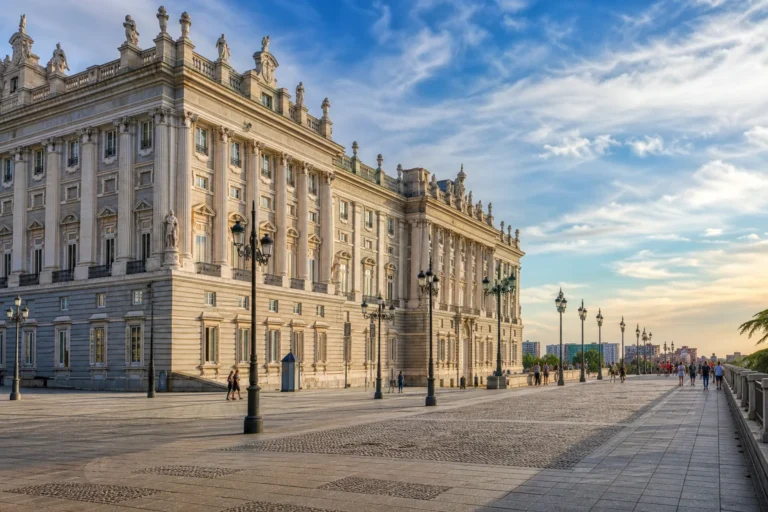
Top Things to Do in Madrid, Spain
Madrid’s highlights center on three museums, a royal palace, historic plazas and lively neighbourhood markets. Below are the core attractions that most visitors combine into walking circuits around the city centre.
Prado Museum (Museo del Prado)
The Museo del Prado anchors Madrid’s Paseo del Prado in a neoclassical building originally designed by Juan de Villanueva and opened to the public in 1819 from the royal collection.
The Prado presents a comprehensive survey of European painting from medieval times through the early twentieth century, with exceptional holdings by Velázquez, Goya and El Greco and important works by Bosch, Titian and Rubens.
Galleries are arranged largely by chronology and school to clarify artistic development, and the permanent route includes signature works such as Las Meninas and major Goya paintings. Visitor facilities and temporary exhibitions expand the campus; check the museum’s official resources for current services, guided tours and access notices before visiting.
Reina Sofía Museum (Museo Nacional Centro de Arte Reina Sofía)
The Reina Sofía is Spain’s national museum for twentieth‑century and contemporary art, combining the historic Sabatini Building with a contemporary Nouvel Building extension. Its collection emphasizes Spanish twentieth‑century painting and sculpture, with Pablo Picasso’s Guernica occupying a central place, alongside works by Salvador Dalí, Joan Miró and Antoni Tàpies.
The museum balances historic rooms and light‑filled modern galleries, and its programming includes rotating temporary exhibitions, performance projects and educational resources. The Reina Sofía also administers exhibition sites in Retiro Park; visitors should consult official museum pages for current shows, guided visits and research facilities.
Official Reina Sofía Museum (Museo Nacional Centro de Arte Reina Sofía) website →
Thyssen-Bornemisza Museum (Museo Thyssen-Bornemisza)
Housed in the neoclassical Palacio de Villahermosa, the Museo Thyssen‑Bornemisza presents a compact, visitor‑friendly survey of Western painting assembled by the Thyssen family and placed on long‑term loan.
Galleries are organized roughly by school and period, linking medieval and early modern works through nineteenth‑century Impressionism and key twentieth‑century movements to fill gaps between the Prado and Reina Sofía.
The conversion by Rafael Moneo adapted the palace for public display while preserving its character; the museum’s compact route makes a thoughtful visit possible in a single morning or afternoon. Check official channels for temporary exhibitions, education programmes and visitor services.
Official Thyssen-Bornemisza Museum (Museo Thyssen-Bornemisza) website →
Royal Palace of Madrid (Palacio Real)
The Royal Palace of Madrid stands on the former Alcázar site and functions as Spain’s principal historic royal residence and ceremonial palace.
Built in a grand baroque manner after the eighteenth‑century reconstruction, the palace reveals richly decorated state rooms, a Throne Room, galleries hung with tapestries and collections that include court silver, clocks and a notable armory.
Architectural plans began with Filippo Juvarra and were adapted by Giovanni Battista Sacchetti and local craftsmen; the palace’s monumental staircases and ceremonial spaces convey its representational role. Patrimonio Nacional manages visits and guided tours; some rooms may close for state functions, so consult official resources for current access information.
Retiro Park (Parque del Retiro)
El Retiro is Madrid’s largest historic urban park and part of the World Heritage‑listed “Landscape of Light,” adjacent to the Paseo del Prado.
Originating as the seventeenth‑century royal gardens for the Buen Retiro palace, the park now offers formal gardens, open lawns, sculptural ensembles and a broad artificial lake anchored by the Monument to Alfonso XII. Notable features include the Glass Palace, the Palace of Velázquez, the Rosaleda, Jardines de Cecilio Rodríguez and the Fallen Angel statue.
Follow axial routes between Puerta de Alcalá and the Estanque Grande and consult municipal or Landscape of Light resources for botanical routes, maps and current exhibitions before visiting.
Plaza Mayor
Plaza Mayor is Madrid’s rectangular, porticoed square and a prime example of Habsburg‑era urban design laid out in the early seventeenth century under Juan Gómez de Mora.
Framed by the Casa de la Panadería and Casa de la Carnicería, the square’s continuous arcades host cafés and terraces while upper floors historically housed municipal and cultural uses. The central bronze equestrian statue of Philip III serves as a civic emblem.
Access the plaza through grand arches from Calle Mayor or Cuchilleros; the Casa de la Panadería houses the municipal tourist information point and the square occasionally hosts markets and cultural displays. Check official city sources for events and access arrangements.
Puerta del Sol
Puerta del Sol is Madrid’s bustling central square and a primary urban node marked by the Kilómetro Cero plaque and the real Casa de Correos clock tower. The square contains the bronze bear and the strawberry tree sculpture and anchors busy retail streets such as Calle Preciados and Calle Carmen.
The clock tower’s bells play a central role in national New Year’s Eve traditions, making the façade widely recognizable. Expect heavy pedestrian flow and many transit connections; the square is often best experienced early in the morning or as part of a short walking tour linking adjacent historic streets.
Check municipal sources for temporary works or access changes.
Gran Vía
Gran Vía is Madrid’s principal early twentieth‑century boulevard, conceived to modernize the city centre and now celebrated for theatres, cinemas, shops and landmark façades. Its architectural mix ranges from monumental turn‑of‑the‑century buildings to art‑deco and early skyscraper forms such as the Telefónica and Carrión (Capitol) structures.
The avenue functions as both a daytime commercial corridor and an evening theatre district; rooftop terraces offer useful panoramic views. Walk from Plaza de España toward Puerta del Sol, pausing for theatre foyers, historic cafés and current cultural listings to catch performances or exhibitions.
Temple of Debod (Templo de Debod)
The Temple of Debod is an authentic ancient Egyptian shrine reassembled in Madrid’s Parque del Oeste after being donated by Egypt in gratitude for UNESCO‑era conservation work. Stone gateways, pylons and inner chambers were transported and rebuilt in the late twentieth century, preserving original carved reliefs and architectural proportions.
The temple sits within a landscaped garden and traditionally uses a reflecting basin as a framing device for light and sunset photography; water features and maintenance can change, so verify conditions before visiting.
Combine a short visit with a walk toward the Royal Palace or surrounding parkland to enjoy skyline views and interpretive panels about the temple’s history.
El Rastro (Sunday market)
El Rastro is Madrid’s largest open‑air flea market, unfolding through La Latina and Embajadores each Sunday and on some public holidays around Plaza de Cascorro and Ribera de Curtidores. Hundreds of stalls sell antiques, clothing, records, books and varied secondhand goods, with many streets and lanes specializing in particular types of items.
Visiting is as much about atmosphere—bargaining, street food and tapas bars—as it is about objects, and collectors often arrive early for the best finds. The market is crowded and informal; take basic precautions against pickpocketing and check municipal guidance for current stall locations and rules.
Best Time to Visit Madrid
Madrid has a continental Mediterranean climate with hot summers and cool winters. Shoulder seasons (spring and autumn) offer the most comfortable weather for walking, museum visits and outdoor dining while avoiding the peak summer heat.
Spring brings flowering parks and active cultural programming, while autumn features mild temperatures and fewer crowds at major sites. Because Retiro and the Paseo del Prado are integral to Madrid’s appeal, visiting outside the hottest July.
August weeks allows more pleasant outdoor exploration and better availability for popular attractions. Official tourism guidance recommends spring and autumn for general sightseeing. ([esmadrid.com](https://www.esmadrid.com/informacion-turistica/parque-del-retiro?utm_source=openai))
SPECIAL EVENTS IN Madrid
Suma Flamenca (Festival de Flamenco de la Comunidad de Madrid)
Suma Flamenca is the Comunidad de Madrid’s annual flamenco festival, bringing high‑level cante, baile and toque to the region’s major stages. It combines established names, emerging talent and multiple world or Madrid premieres across theatres and cultural centres, with the Teatros del Canal serving as the festival’s principal hub in Madrid. Travelers interested in Spanish culture, live music and dance will find concentrated programming, distinctive productions and regional satellite venues that make it a prime occasion to experience contemporary and traditional flamenco.
- Dates
- October 13, 2026 - November 1, 2026
- Venue
- Teatros del Canal
Festival de Otoño de la Comunidad de Madrid
The Festival de Otoño de la Comunidad de Madrid is the region’s flagship performing-arts festival, presenting an international program of theatre, dance and music across major cultural venues in Madrid. It attracts high-profile companies and premieres, and is valued by travelers for its quality contemporary productions, cultural variety and the chance to see world-class artists in intimate city theatres. The festival’s multi-venue format makes it a convenient cultural highlight for visitors wanting concentrated arts programming during an autumn visit to Madrid.
- Dates
- November 6, 2026 - November 29, 2026
- Venue
- Teatros del Canal; Conde Duque (Contemporánea); Teatro de La Abadía; Sala Mirador; La Sala Cuarta Pared; Teatro Pradillo; Mercado de Vallehermoso
ARCOmadrid (Feria Internacional de Arte Contemporáneo)
ARCOmadrid is Spain’s leading international contemporary art fair, bringing major galleries, curators, collectors and public programming to Madrid. It serves as a key platform to discover emerging and established artists through gallery presentations, curated projects and talks, and often results in institutional acquisitions and dealer networking. Travelers value ARCO for its concentrated cultural programming, high-profile openings and the citywide satellite gallery program that together create an efficient, art-focused itinerary for collectors, curators and curious visitors.
- Dates
- March 3, 2027 - March 7, 2027
- Venue
- IFEMA MADRID (Feria de Madrid)
Getting Around Madrid
Madrid’s public transport network is extensive: Metro and EMT buses cover the city, Renfe Cercanías handles short regional trips, and Adolfo Suárez Madrid–Barajas airport serves international connections.
Many central attractions — Prado, Reina Sofía, Thyssen, Retiro, Plaza Mayor and Puerta del Sol — sit within easy walking distance of each other, and city and transit authorities publish recommended walking circuits and integrated ticketing options.
Location
Map of Madrid, Spain
The interactive map loads only when you choose to view it.
Plan Your Visit to Madrid
Central neighbourhoods (Centro, Barrio de las Letras, Salamanca, La Latina) are highly walkable and organized around transit hubs such as Atocha and Sol. Reserve tickets for major attractions (Prado, Reina Sofía, Thyssen, Royal Palace) in advance to reduce queueing.
Use a rechargeable public‑transport card or contactless payment for Metro, EMT buses and Cercanías; official transport pages explain zone A fares and integrated route planning. Schedule museum visits for weekday mornings where possible to avoid the largest crowds.
Local Tips for Madrid
Greet people briefly and politely; cash remains accepted, but contactless and card payments are widespread. Many small shops and family eateries may close midday, though siesta rhythms are less strict in central Madrid today.
Check Metro and Cercanías notices for planned service changes before travel. For museums, consult each institution’s official pages for accessibility, guided tours, audio guides and free or reduced‑entry times, since programming and policies change.
Live conditions
Current Weather

Updated 2026-09-21 16:45
- Feels like
- 24°C / 75°F
- Today’s high / low
- 28°C / 82°F · 19°C / 66°F
- Humidity
- 17%
- Wind
- ↘ 6 km/h
- Precipitation
- 0 mm
- Chance of rain
- 1%
- Local time
- 2026-09-21 16:52
Safety
Madrid is generally safe for visitors, but petty theft (pickpocketing) is the most common issue in crowded tourist areas, public transit and markets. Keep valuables concealed and use hotel safes.
Follow municipal and national travel‑advice pages about demonstrations or large events and avoid cordoned areas. Nighttime neighbourhoods such as Malasaña and Chueca are lively; use usual precautions like staying on well‑lit streets and choosing trusted transport options.