
Travel Guide
Plan your visit around Basilica, Museo Archeologico di Olbia, and more of Olbia, Italy.
Discover the best things to do in Olbia, Italy, from signature sights to memorable local experiences.
Olbia is a coastal Gallura city and a gateway to spectacular beaches, offshore islands and ancient sites.
Search for things to do in Olbia and you’ll find a compact centro storico with Roman and medieval remains anchored by the Romanesque Basilica di San Simplicio, a lively harbour and the Lungomare, plus easy boat access to the Tavolara‑Punta Coda Cavallo marine protected area and nearby sands such as Pittulongu.
Olbia’s transport links. The airport, ferries and regional roads.
Make it a convenient base for exploring north‑eastern Sardinia. Always verify museum openings, excursion operators and marine‑park permissions with official sources before booking.
Why Visit Olbia
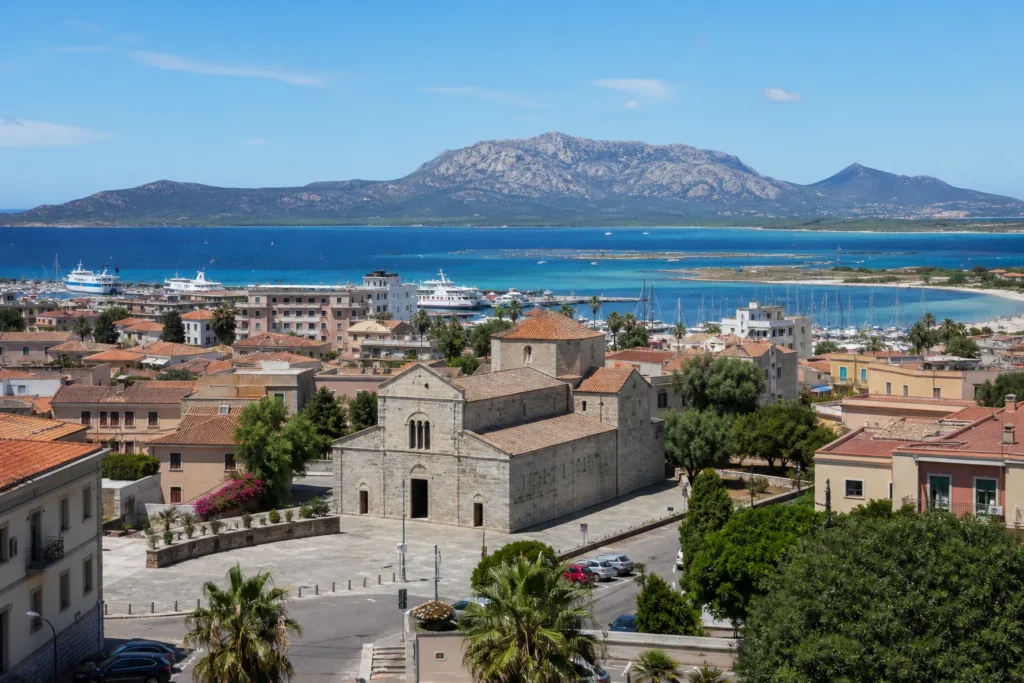
Visit Olbia for its compact town life, convenient sea access and well‑preserved heritage. A short stroll through the centro storico reveals Roman fragments, defensive towers and the Romanesque Basilica di San Simplicio, while the port and Lungomare make day trips to Tavolara and nearby islands straightforward.
Nearby beaches—Pittulongu and the Capo Coda Cavallo coastline—offer clear water and watersports, and the surrounding Gallura countryside contains nuraghi and granite panoramas. Use official municipal and regional sources to confirm museum openings, excursion operators and marine‑park permissions before booking.
Top Things to Do in Olbia, Italy
Olbia mixes a compact historic centre, an active harbourfront and easy access to beaches and the Tavolara marine reserve. Below are the top sites and experiences to plan into a short stay.
Basilica (Basilica di San Simplicio)
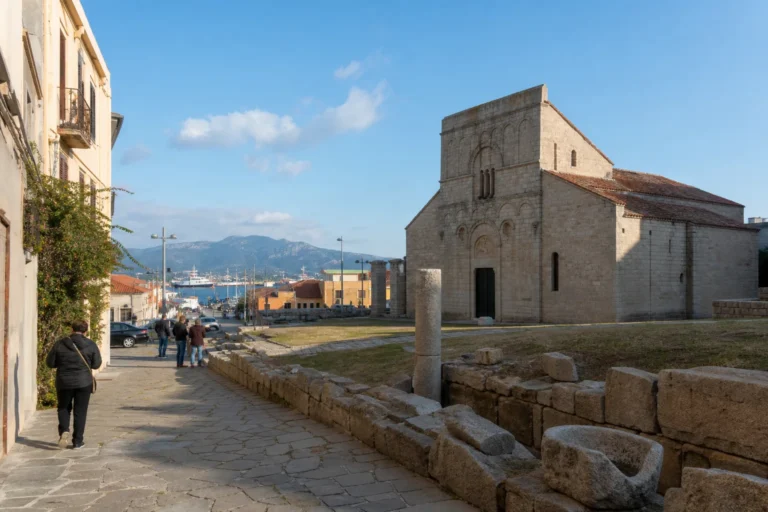
The Romanesque Basilica di San Simplicio (11th–12th century) anchors Olbia’s historic centre with a sober three‑nave interior, carved capitals, a rose window and an external campanile. It’s the city’s principal medieval landmark and pairs well with a short walking visit and photographs of the piazza.
Note: the basilica is an active church with regular masses and occasional restricted opening for maintenance or events, so check access with the parish or the Comune of Olbia before planning an indoor visit.
Museo Archeologico di Olbia (Isola Peddone)
The Museo Archeologico di Olbia on Isola Peddone presents local finds from Nuragic, Phoenician‑Punic, Roman and medieval contexts, offering a compact introduction to Olbia’s maritime trading and funerary history. Its waterfront island setting enriches the displays’ context.
The museum is municipal‑managed and has seen occasional scheduled closures for conservation, so verify opening hours and booking requirements for guided visits before you go.
Official Museo Archeologico di Olbia (Isola Peddone) website →
Spiaggia di Pittulongu (La Playa)
Spiaggia di Pittulongu, known locally as La Playa, is Olbia’s principal sandy beach at the Lido di Pittulongu. It offers a long crescent of fine sand, shallow turquoise water and views of Tavolara, with alternating free sand and equipped beach clubs where you can rent umbrellas and small craft.
Seasonal services, parking and lifeguard coverage vary by year, so check current facility availability and transport options before visiting.
Area Marina Protetta Tavolara – Punta Coda Cavallo
The Area Marina Protetta Tavolara‑Punta Coda Cavallo protects extensive sea, coast and islands (including Tavolara and Molara) prized for clear water, marine biodiversity and snorkel/diving sites.
Visitors can take regulated boat tours, guided dives and snorkeling trips, but the MPA is zoned and enforces rules on anchoring, fishing and access—check the official MPA guidance and zone map before boating or planning landings.
Official Area Marina Protetta Tavolara – Punta Coda Cavallo website →
Nuraghe Riu Mulinu (Cabu Abbas)
Nuraghe Riu Mulinu (Cabu Abbas) is the main Nuragic tower complex near Olbia, sited on a ridge with panoramic views over the Gulf of Olbia. The open‑air ruin and surrounding hill setting illustrate Bronze‑Age nuragic culture; visitor facilities are minimal, access is by road and short walk, and sturdy footwear and water are recommended.
Check municipal information for any temporary access restrictions or guided‑visit opportunities.
Tempio e Necropoli di San Simplicio (area archeologica)
The Tempio e Necropoli di San Simplicio archaeological area, adjacent to the basilica, reveals stratified funerary remains—from Phoenician/Punic to Roman phases—unearthed during square redevelopment. Exposed tombs and burial structures are interpretable via on‑site panels and museum references.
Because the area is integrated with an active church and municipal works have previously prompted closures, confirm current public access with the Comune di Olbia before visiting.
Official Tempio e Necropoli di San Simplicio (area archeologica) website →
Centro storico di Olbia (resti romani e torri difensive)
Olbia’s centro storico is a compact palimpsest of Roman and Punic traces, medieval churches and defensive towers. A short walk links in‑street archaeology, glass‑protected pavement fragments and tower ruins to museum displays, giving a clear sense of the city’s continuity from antiquity through the Middle Ages.
Some subterranean displays and tower interiors require guided access or have limited opening—check municipal cultural pages for current visitor patterns.
Official Centro storico di Olbia (resti romani e torri difensive) website →
Porto di Olbia / Lungomare (Isola Peddone waterfront and harbour area)
The Porto di Olbia and Lungomare combine the working harbour, promenade and the Isola Peddone archaeological museum, linking ferry terminals, seafood dining and seafront strolling. The waterfront route offers views of moored craft and provides direct access to excursion boats for nearby islands.
Active port operations and seasonal ferry schedules can affect pedestrian access close to quays, so verify museum opening times and any harbour restrictions before visiting.
Official Porto di Olbia / Lungomare (Isola Peddone waterfront and harbour area) website →
Best Time to Visit Olbia
Late spring (May. June) and early autumn (September.
October) are the best times to visit: sea temperatures are pleasant, crowds are smaller than in high summer, and coastal services generally remain running. Winters are mild but quieter and some seasonal services reduce frequency.
Before planning boat trips or indoor visits, confirm current operating status and any permit rules with official municipal and protected‑area websites.
Getting Around Olbia
Olbia is compact: the historic centre, port and main services are walkable within a few kilometres. Local buses link the airport (Olbia‑Costa Smeralda) and ferry terminals; taxis and regional buses serve nearby resorts.
To reach beaches, nuraghi or the Tavolara protected area you’ll typically need a car or a booked boat transfer. Many ferries and licensed excursion operators depart from Olbia’s port—check schedules and seasonal reductions before travel.

Location
Map of Olbia, Italy
The interactive map loads only when you choose to view it.
Plan Your Visit to Olbia
Plan around two focal nodes: the historic centre/port and the northern beaches/Marine Protected Area (MPA) gateway near Pittulongu and Porto San Paolo. Olbia’s municipal tourism pages list contacts for permits or advisories and identify the main marinas and departure points for boat trips.
If you intend to visit the Tavolara MPA, review zoning and anchoring regulations in advance—some zones forbid anchoring or require authorisation. Reserve popular boat trips and summer transfers early, and expect higher transport demand in July–August.
Local Tips for Olbia
Orient yourself around the centro storico and the Lungomare/Isola Peddone waterfront: most sights (the Basilica, Roman remains, the small archaeological museum and harbour cafés) are within easy walking distance of the port. Use Pittulongu (La Playa) for the nearest sandy beach; local buses serve the Lido in summer but expect crowds on sunny afternoons.
For snorkeling and island trips book boats from nearby marinas in advance during high season and check MPA rules before anchoring or landing.
Live conditions
Current Weather

Updated 2026-09-22 02:00
- Feels like
- 20°C / 69°F
- Today’s high / low
- 27°C / 81°F · 19°C / 67°F
- Humidity
- 77%
- Wind
- ← 6 km/h
- Precipitation
- 0 mm
- Chance of rain
- 7%
- Local time
- 2026-09-22 02:05
Safety in Olbia
Follow basic coastal safety and MPA rules. Beaches such as Pittulongu are generally safe but can be crowded; swim near populated areas and heed any lifeguard flags or instructions.
When boating or snorkeling in the Tavolara‑Punta Coda Cavallo MPA, consult the official zoning map and rules—anchoring, fishing and some landings are restricted and fines can apply. Carry sun protection, water and a charged phone, secure valuables in accommodation, and use official marinas for overnight mooring.
For prolonged closures or permit changes check municipal and MPA official sites before travel.