
Travel Guide
Find top sights, local places, maps, weather, and simple trip tips for Tokyo, Japan.
Looking for Things to Do in Tokyo, Japan? Use this guide to compare top sights, local tips, maps, weather, and nearby places.
Tokyo rewards curiosity: within short train rides you can move from Shinto shrines and wooden temples to neon shopping districts, world‑class museums, broad parks, and riverside promenades.
If you’re searching for things to do in Tokyo, use the city as a base for neighborhood exploration and day trips, but allow time to slow down in a garden or museum to balance the city’s fast pace.
Why Visit Tokyo
Travelers come for the variety: centuries‑old shrine precincts and imperial gardens sit beside contemporary art and cutting‑edge architecture. Tokyo’s food scene ranges from street stalls to Michelin kitchens, and efficient public transit makes hopping between neighborhoods easy.
Museums present Japanese history and global contemporary work. Parks and waterfronts provide leafy breaks from busy shopping streets, while seasonal rituals, festivals, and craft shops offer many entry points into local life.
Top Things to Do in Tokyo, Japan
These highlights give a cross-section of Tokyo’s cultural history, green spaces, food culture, and contemporary art. Pick a handful and plan your days around neighborhoods rather than sights alone.
Meiji Jingu
Meiji Jingu sits beneath a large planted forest in central Tokyo, creating a sudden sense of calm after busy Harajuku streets. Broad, tree‑lined walkways planted in the early 20th century lead to the main shrine precinct, an active Shinto site used for traditional rituals, seasonal festivals, and personal prayers.
Visitors will commonly see votive plaques, purification troughs, and offerings.
Architecturally the shrine’s buildings follow traditional styles and are maintained as living cultural property. Weekend ceremonies and New Year’s Day draw large local crowds, so many visitors prefer weekday mornings for quieter reflection.
Check the shrine’s official site for current visitor guidance and special ceremonies.
Senso-ji (Asakusa)
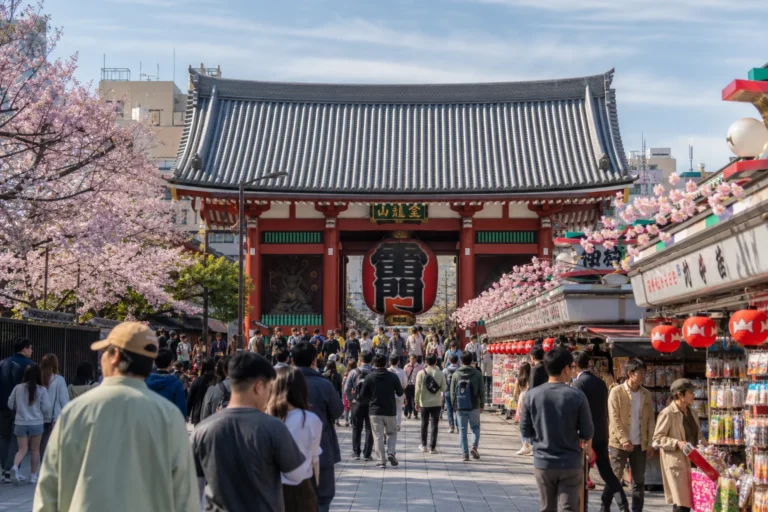
Senso‑ji is Tokyo’s oldest temple and anchors Asakusa’s historic neighborhood. The approach through Kaminarimon (the Thunder Gate) and the bustling Nakamise shopping lane offers a concentrated mix of souvenir shops, confectioners, and traditional crafts leading to the temple’s main hall.
The precinct blends market energy with active worship: visitors take part in purification rituals, draw fortune slips, and observe local ceremonies.
Senso‑ji is often paired with short river cruises or nearby small museums that highlight local crafts. Expect crowds at peak tourist times and during major festivals, and treat the temple respectfully as a working religious site—consult the temple’s official pages for notices about restorations or events.
Tokyo National Museum (Ueno)
The Tokyo National Museum in Ueno Park houses one of Japan’s largest public collections of art and archaeology. Permanent galleries display ceramics, sculpture, calligraphy, samurai armor, and archaeological finds arranged to show chronological and thematic development across Japanese history.
Historic buildings and modern exhibition spaces combine to place objects in architectural and curatorial context.
Rotating special exhibitions illuminate focused topics and period artists; the museum’s conservation labs and research functions mean objects are supported by academic work. The museum publishes multilingual guides and maps—check the official site for current exhibitions and visitor guidance before you go.
Edo‑Tokyo Museum
The Edo‑Tokyo Museum traces Tokyo’s evolution from the Edo period to the present through large‑scale reconstructions and interpretive displays. Permanent exhibits include life‑size street and interior reconstructions, detailed scale models, and objects illustrating everyday life, commerce, and urban planning across centuries.
The immersive approach helps visitors understand how the city developed into a unique urban center.
Interactive displays and recreated merchant houses, theaters, and river scenes make the museum especially approachable for families and non‑Japanese readers. The museum’s elevated building is a local landmark near Ryogoku; consult its official site for ticketing and exhibit notes before visiting.
TOKYO SKYTREE
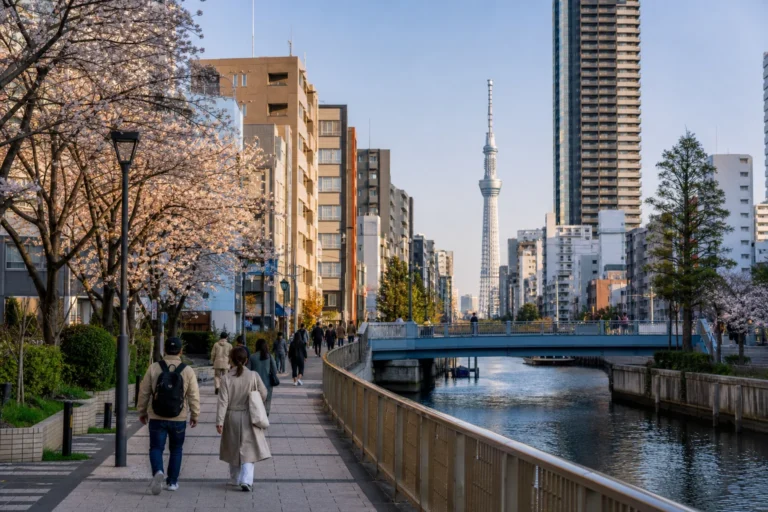
TOKYO SKYTREE combines a broadcast tower with observation decks and a riverside commercial complex in the Sumida River area. The tower’s high viewing platforms provide broad east‑to‑west vistas across the city and, in clear weather, distant mountain silhouettes.
Lower floors and adjacent complexes house shops, restaurants, and an aquarium, so a visit can mix skyline observation with food and family attractions.
The tower sits within wider riverside redevelopment, with promenades and local pockets worth exploring. Many visitors combine a Skytree visit with a Sumida River walk or a short trip to nearby Asakusa.
Check the tower’s official site for current visitor guidance and any reservation requirements.
Shinjuku Gyoen National Garden
Shinjuku Gyoen is a large, mixed‑style urban garden blending formal French and English landscape design with a traditional Japanese garden. Once part of a feudal lord’s estate and later an imperial garden, it now offers wide lawns, tree‑lined avenues, teahouse features, and contemplative ponds close to Shinjuku’s transport hubs.
The garden’s scale allows visitors to shift quickly between formal avenues and quiet Japanese stroll sequences.
Seasonal highlights include cherry blossoms in spring and autumn color, but plant diversity provides interest year‑round. The garden publishes rules for picnics, group visits, and photography—consult official resources for permitted activities and special exhibits.
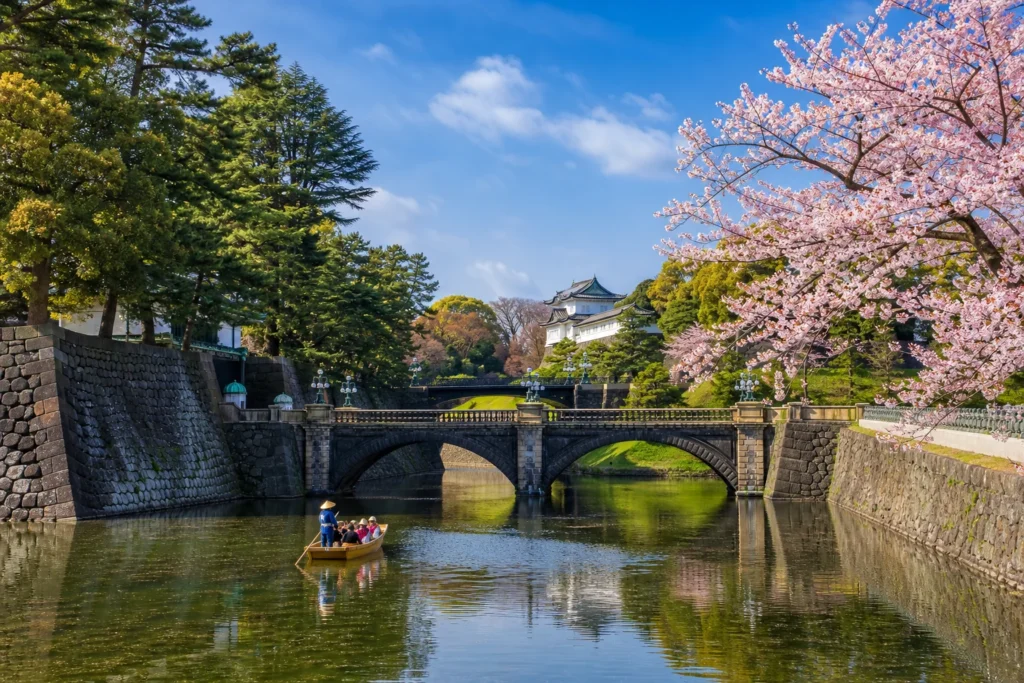
The East Gardens of the Imperial Palace
The East Gardens are the publicly accessible portion of the Imperial Palace grounds and preserve earthworks, moats, and fragments of Edo Castle’s former defenses. Walkways pass historical features such as castle foundations and stone walls alongside landscaped sections that reflect centuries of urban change.
Plaques and interpretive signage explain visible castle features and later garden adaptations.
The gardens feel both archaeological and ornamental, offering a quieter, historically layered contrast to nearby high‑rise districts. Because access and route information are officially managed, consult the Imperial Household Agency’s pages for any special notices or seasonal changes before visiting.
Shibuya Scramble Crossing & Hachikō
Shibuya’s scramble crossing is an iconic example of Tokyo’s dense pedestrian life: when lights change, waves of people cross in multiple directions, creating a striking people‑watching moment. Nearby, the Hachikō statue is a popular meeting point and memorializes a famously loyal dog, offering a human‑scale landmark amid large commercial buildings.
The surrounding district is intense with retail, dining, and youth‑culture venues; side streets and department‑store basements reveal quieter shops and curated cafés. For clearer crossing views, seek building terraces or designated observation areas.
As a major rail hub, Shibuya can be busy at almost any hour.
Tsukiji Outer Market
Tsukiji Outer Market is a dense cluster of small shops and restaurants that grew from Tokyo’s historic wholesale fish trade. Although the main wholesale market moved to Toyosu, Tsukiji’s outer district remains a lively food quarter where visitors can sample prepared seafood, buy culinary tools, and watch specialized vendors who still supply professional kitchens.
Narrow lanes and stall‑front kitchens create an intimate market atmosphere.
Visitors come for single‑portion tastings, ceramic sushi plates, knives, and short demonstrations explaining ingredient uses. Because layouts and vendors change, check the market’s official site for suggested routes and visitor guidance before you go.
TeamLab Planets (Toyosu)
TeamLab Planets is an immersive digital‑art venue where visitors move through large, sensor‑driven installations combining light, sound, and water. Rather than framed works, the site presents whole‑room experiences that emphasize bodily presence and shared perception: visitors commonly walk barefoot through shallow pools, pass through mirrored rooms, and move among projections that shift with motion.
The work is experiential and sometimes participatory, popular with photographers and those seeking nontraditional museum encounters. TeamLab publishes visitor guidelines covering accessibility, group visits, and recommended behavior; if you are sensitive to strong lights or water‑based exhibits, review guidance before booking.
Best Time to Visit Tokyo
Spring (late March–April) draws many visitors for cherry blossoms and mild weather; autumn (October–November) brings crisp air and fall color. Both seasons are most comfortable for walking and visiting parks.
Summer has festivals but can be hot, humid, and rainy; winter is cool and dry with clearer city views and fewer tourists. For seasonal sights and event timing, check official tourism and venue pages before you travel.
Special events
Upcoming Events
Tokyo Marathon
The Tokyo Marathon is Japan’s flagship city marathon and one of the Abbott World Marathon Majors, drawing elite international athletes, wheelchair divisions, charity runners and tens of thousands of recreational participants. Held across central Tokyo, the event combines high-profile competition with major public festivities and an accompanying EXPO, making it important for travelers who want to experience Tokyo’s neighborhoods, transportation planning impacts, and major hospitality demand. The race also serves as a selection and qualification opportunity for national and international championships and Olympic selection processes.
- Dates
- March 4, 2027 - March 6, 2027
- Venue
- Tokyo Big Sight South Exhibition Halls (Ariake, Koto) — Tokyo Marathon EXPO and packet pick-up
Getting Around Tokyo
Tokyo is rail‑first: JR lines (including the Yamanote loop) and multiple private and municipal subway operators connect most neighborhoods. Trains are frequent and punctual but extremely crowded during weekday peak hours; traveling outside morning and evening rushes gives more space.
IC cards (Suica or PASMO) are the simplest way to tap through gates and pay for small purchases. Taxis are convenient late at night or with heavy luggage but cost more than trains.
Walking short local routes often reveals neighborhoods more clearly than a map.
Location
Map of Tokyo, Japan
The interactive map loads only when you choose to view it.
Plan Your Visit to Tokyo
Carry a reloadable IC transit card and a backup payment method; many places accept cards but some small vendors still prefer cash. Station signage and maps commonly include English, though a few Japanese phrases help.
Tokyo enforces strict smoking regulations in many public streets and indoor spaces; look for designated smoking areas. Luggage forwarding (takkyubin) and coin‑lockers are widely available for day storage.
Verify museum and shrine visitor rules, ticketing, and reservation requirements on official sites before you go.
Local Tips for Tokyo
Respect ritual spaces: bow at shrine gates, follow photography rules at temples, and avoid loud phone conversations on trains. Tipping is not customary; polite thanks and punctuality are appreciated.
Convenience stores (konbini) are reliable for snacks, ATM access, and basic needs. For quieter daytime routes, try riverside promenades, narrow residential streets in older neighborhoods, or outlying wards such as Kichijoji.
Tokyo’s official tourism centers and volunteer guides at main stations offer free maps and advice.
Live conditions
Current Weather

Updated 2026-08-24 16:15
- Feels like
- 35°C / 96°F
- Today’s high / low
- 33°C / 91°F · 27°C / 80°F
- Humidity
- 52%
- Wind
- ↓ 25 km/h
- Precipitation
- 0 mm
- Chance of rain
- 9%
- Local time
- 2026-08-24 16:21
Places to Visit Near Tokyo
Yokohama is a busy port city a short train ride south of Tokyo, known for a lively waterfront, Chinatown, and modern museums.
Kamakura is a coastal town with major temples, walkable historic lanes, and the large bronze Buddha—an easy day trip combining shrines and seaside scenery.
Nikko lies north in the mountains and is famous for forested shrines and UNESCO‑designated architecture set among natural scenery.
Hakone and the Fuji Five Lakes region — This area is popular for hot springs, lake views, and close perspectives on Mount Fuji, commonly visited with an overnight stay.
Kawagoe preserves merchant streets and kura storehouse architecture, earning the nickname “little Edo” and offering a short historical escape from the city.
Safety in Tokyo
Tokyo is generally safe by international standards, with low street‑crime rates and reliable public services. Expect very crowded trains during commuting hours; keep personal items secure and be prepared for tight platform boarding at busy times.
The region is earthquake‑prone: carry basic preparedness items, learn emergency exits, and register safety plans with your accommodation. For weather hazards such as heavy rain or typhoons, monitor official meteorological and municipal advisories and follow instructions from transit operators and city authorities.