
Travel Guide
Plan your visit around CN Tower, Royal Ontario Museum, and more of Toronto, Canada.
Discover the best things to do in Toronto, Canada, from signature sights to memorable local experiences.
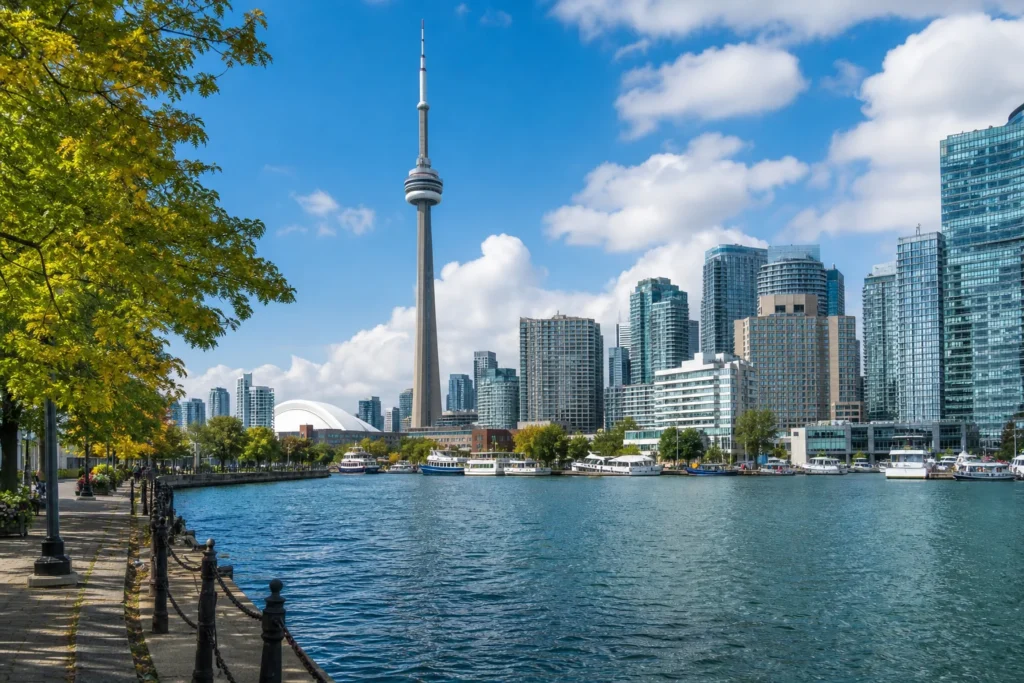
Toronto is Canada’s largest city and the economic and cultural heart of Ontario. Sitting on Lake Ontario’s north shore, the downtown skyline is anchored by the CN Tower and framed by waterfront parks, islands, and historic neighbourhoods.
The city blends major cultural institutions. The Royal Ontario Museum and Art Gallery of Ontario.
With lively markets such as St. Lawrence, preserved districts like the Distillery, grand heritage sites such as Casa Loma, and extensive green space in High Park.
Compact walkable neighbourhoods connect with a dense transit network and frequent ferry service to the Toronto Islands, making a variety of attractions accessible within short distances of the central core.
Why Visit Toronto
Toronto rewards a wide range of interests: world-class museums and major art collections. Skyline views from the CN Tower.
Neighbourhood-scale food culture at St. Lawrence Market and independent cafés. And atmospheric pedestrian streets in the Distillery Historic District.
Easily reached nature includes the Toronto Islands and extensive green space in High Park.
The city’s diversity also makes it a top destination for international cuisine, festivals and neighbourhood exploration.
Top Things to Do in Toronto, Canada
A compact core and dense transit network make it easy to group museum visits, market stops and waterfront excursions. Below are the durable highlights that most visitors return to again and again.
CN Tower
The CN Tower dominates Toronto’s skyline and rewards visitors with panoramic city and lake views. High-speed elevators lift guests to the Main Observation Level at 346 metres, where continuous windows provide 360-degree perspectives of downtown, the harbour and distant shorelines.
A tiered Glass Floor and an outdoor terrace heighten the viewing experience for visitors comfortable with heights.
Higher viewing is available at the Top/Skypod at 447 metres on clear days, and thrill-seekers can book EdgeWalk, a harnessed exterior walk around the main pod. Plan visits around weather and visibility and verify ticketing or access options on the official site.
Royal Ontario Museum
The Royal Ontario Museum (ROM) pairs deep collections with striking architecture in central Toronto. Founded in 1914, the museum mounts natural history, world cultures and art across roughly forty gallery and exhibition spaces, with holdings that span fossils, archaeological material and anthropological collections.
The contemporary Michael Lee‑Chin Crystal addition contrasts with the heritage masonry and anchors the museum at Bloor and Queen’s Park. Galleries range from broad fossil halls to focused cultural displays; guided programs and rotating exhibitions add context, so check the museum’s official resources for current shows and access information.
Art Gallery of Ontario
The Art Gallery of Ontario (AGO) combines permanent collections and rotating exhibitions across Canadian, Indigenous and international art. The building’s major redesign by Frank Gehry reworked circulation and introduced sculptural interior elements—stairways, glass and wood—that make the architecture part of the visit.
Collections of note include the Thomson Collection of Canadian Art and substantial Group of Seven holdings alongside Indigenous and contemporary presentations. The AGO offers guided programs and family activities; plan around exhibitions and verify access and ticketing details on the gallery’s official site.
St. Lawrence Market
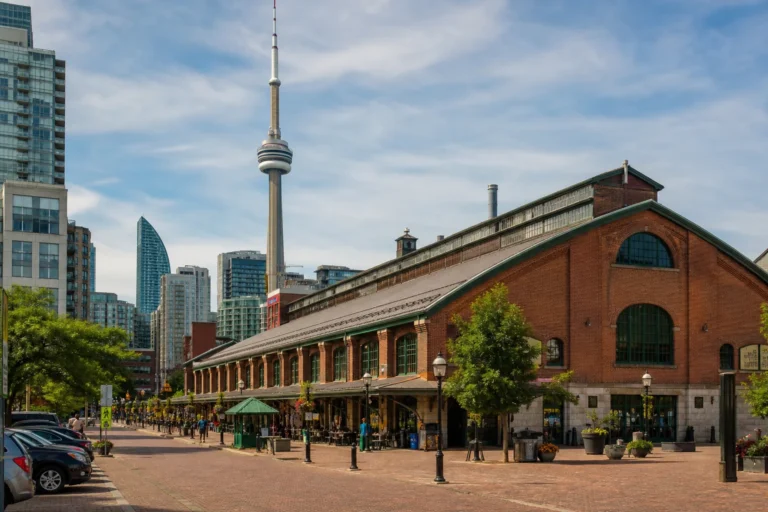
St. Lawrence Market occupies linked historic buildings at the heart of Toronto’s original market precinct and mixes daily grocery life with local history. The complex traditionally includes North and South Market buildings plus the adjacent Great Hall, each hosting different vendor types and weekend offerings.
Vendors display seasonal produce, bakery goods, cured meats and artisanal products; chef-owned counters and small cafés make the market a compact culinary tour. Because stall lineups and events vary by day, consult official market resources for which buildings host particular markets on the day you visit.
Distillery Historic District
The Distillery Historic District is a compact precinct of restored 19th-century industrial buildings from the Gooderham & Worts complex, noted for its cohesive industrial architecture. Visitors stroll cobblestone lanes that prioritize pedestrians and find galleries, artisan shops, cafés, theatres and public art housed in renovated warehouses.
Adaptive reuse preserved Italianate detailing, segmented-arch windows and chimneys while introducing modern services. The Young Centre for the Performing Arts and artist studios keep the district active; guided walks and official tours add context about manufacturing, labour and urban change.
Toronto Islands
The Toronto Islands form a low, tree-lined chain of parkland just offshore from downtown. Most visitors arrive by ferry or private water taxi from the Jack Layton Ferry Terminal.
Once ashore, paths, small bridges and open lawns link beaches, picnic zones, an amusement area for children, rental kiosks and the historic Gibraltar Point lighthouse.
The islands are largely pedestrian and bicycle oriented and include important shoreline, wetland and meadow habitats used by migrating birds. Distances between docks can be several kilometres, so plan pacing and check official ferry guidance, beach advisories and event notices before you go.
Casa Loma
Casa Loma is a Gothic Revival mansion set on a hill near midtown Toronto and experienced as a compact castle visit. Conceived by Sir Henry Pellatt and designed by E.J. Lennox, the early 1910s building features turrets, battlements and formal terraces that lead into richly detailed interior rooms arranged for entertaining.
Visitor highlights include the Great Hall, library suites, conservatory spaces and rooftop walkways that offer city views. The house originally integrated then-modern technologies—an elevator, central vacuum and an extensive telephone system—and now functions as a heritage site with guided tours and interpretive displays.
High Park
High Park is Toronto’s largest municipal park and a diverse urban refuge combining managed gardens, playgrounds, trails, ponds and large natural areas.
Visitors move from formal horticultural displays to meadow and ravine settings within a single walk; notable features include Grenadier Pond and the Black Oak savannah remnant, a globally rare ecosystem preserved in the park.
Colborne Lodge interprets the park’s founding, and family amenities include playgrounds, a children’s garden, picnic zones and a trackless train. Many features are seasonal or program-dependent, so check official park sources before planning a visit.
Best Time to Visit Toronto
Spring through early autumn is the most comfortable time to visit for outdoor activity, ferries to the Toronto Islands, and patio- and market-focused days. Summers (June–August) bring festivals and longer daylight; late spring and early fall offer milder temperatures and thinner crowds.
Winter visits focus on indoor cultural experiences—museums, galleries and historic houses—but expect colder weather and shorter daylight. Layers and a flexible itinerary help year-round travel.
SPECIAL EVENTS IN Toronto
Toronto International Film Festival (TIFF)
One of the world’s leading public film festivals, TIFF draws international premieres, high-profile talent and industry professionals to Toronto for ten days of screenings, panels and red-carpet moments. The festival is a major cultural draw for travelers seeking early access to acclaimed films, celebrity appearances and marketplace activity that influences global distribution. Visitors can pair screenings with nearby restaurants, galleries and year-round TIFF programming, making the event a gateway for both cinephiles and industry delegates planning a cultural trip to the city.
- Dates
- September 10, 2026 - September 20, 2026
- Venue
- TIFF Lightbox; Roy Thomson Hall; Visa Screening Room (Princess of Wales Theatre); Scotiabank Theatre Toronto; Royal Alexandra Theatre; John Bassett Theatre (Metro Toronto Convention Centre); Cinema Park
Nuit Blanche Toronto
Nuit Blanche Toronto is an annual, free, all-night contemporary art festival produced by the City of Toronto that transforms public spaces across the host city into temporary installations, performances and light-based works. It draws large local and international audiences, encourages neighbourhood-by-neighbourhood exploration, and highlights emerging and established artists through ephemeral public projects. Travelers may plan evening visits to experience diverse creative interventions, city-centre walking routes, extended public transit hours and complementary talks, tours and accessibility services prepared by the organizer.
- Dates
- October 3, 2026 - October 4, 2026
Royal Agricultural Winter Fair (The Royal)
The Royal Agricultural Winter Fair is Canada’s largest indoor agricultural and equestrian showcase, drawing farmers, breeders, food artisans, and equine competitors to central Toronto each November. Travelers attend for award-winning livestock competitions, world-class horse shows, regional food and craft vendors, and interactive exhibits that highlight Canadian agriculture. The fair is family-friendly, useful for agritourism discovery, and a major seasonal draw for visitors seeking local food, rural culture, and large-scale events in an accessible city setting.
- Dates
- November 6, 2026 - November 15, 2026
- Venue
- Exhibition Place — Enercare Centre; Coca-Cola Coliseum; Horse Palace
Getting Around Toronto
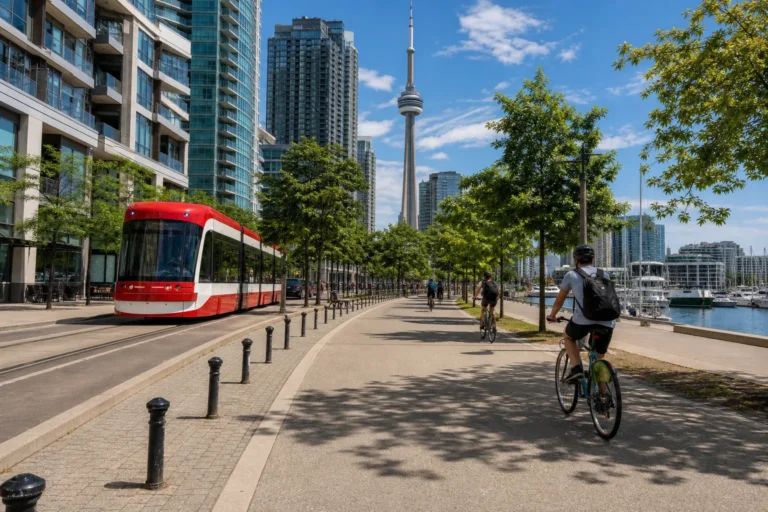
Toronto’s core is served by the Toronto Transit Commission (TTC) subway, streetcars and buses, with GO regional trains and buses connecting surrounding communities. Downtown is highly walkable and many top sights are short transit rides from Union Station.
Ferries run regularly to the Toronto Islands from the mainland waterfront. Bicycles are common on designated routes and a public bike-share network operates across central neighbourhoods; taxis and rideshare services fill gaps after transit hours.
Location
Map of Toronto, Ontario, Canada
The interactive map loads only when you choose to view it.
Plan Your Visit to Toronto
Plan blocks instead of long distances—major attractions are spread across downtown and midtown. Use PRESTO or contactless payment on TTC vehicles and expect transfers between modes for many central trips.
Ferries to the Toronto Islands depart from the downtown waterfront; bring layers and waterproofs since lake weather changes fast. Group nearby sites into single-day itineraries to reduce transit time and check official attraction pages for ticketing, hours and special-program updates.
Local Tips for Toronto
Neighbourhoods each have a distinct character: Queen West and the Distillery Historic District for galleries and boutiques. Kensington Market and St. Lawrence Market for food and produce.
And the Annex near the ROM and Casa Loma for cafés. Weekdays are calmer at museums and markets; weekends and summer bring heavier local and regional visitor traffic.
Tipping (15–20%) is customary in restaurants. Bring a refillable bottle—the municipal tap water is potable—and secure bikes to racks when cycling.
Live conditions
Current Weather

Updated 2026-09-20 12:15
- Feels like
- 15°C / 59°F
- Today’s high / low
- 22°C / 71°F · 12°C / 54°F
- Humidity
- 30%
- Wind
- ↑ 11 km/h
- Precipitation
- 0 mm
- Chance of rain
- 12%
- Local time
- 2026-09-20 12:33
Safety
Toronto is generally safe for visitors but exercise standard urban caution: watch belongings on crowded transit and at tourist sites, and be alert after dark in isolated areas. Waterfront and island visits involve water risks—use designated swimming zones, obey lifeguards and ferry rules, and supervise children near the lake.
Keep digital copies of important documents and monitor official TTC and City of Toronto channels for service alerts and closures.