
Travel Guide
Plan your visit around Old Montréal, Mount Royal Park, and more of Montreal, Canada.
If you’re looking for things to do in Montreal the city delivers a compact mix of Old Montréal’s cobblestone streets, hilltop green space on Mount Royal, major museums and a lively market and restaurant scene.
These clusters of attractions sit close enough for easy walking, with métro, BIXI bikes and buses linking longer hops across the island.

Why Visit Montreal
Montreal’s appeal is its concentrated contrasts: an atmospheric historic core (Old Montréal) with restored 18th. 19th‑century architecture, a lively food scene anchored by markets like Jean‑Talon, and major cultural and natural sites within short distances.
Mount Royal’s lookout, Saint Joseph’s Oratory, the Montréal Museum of Fine Arts, and the Space for Life complex (Biodôme and Botanical Garden).
Together these elements make for a walkable itinerary that alternates urban history, seasonal green spaces and institution‑scale science and art experiences.
Top Things to Do in Montreal, Canada
Montreal’s highlights cluster into compact neighbourhoods and parkland; below are the essential places to plan into a day or two of exploring.
Old Montréal (Old Port & historic district)
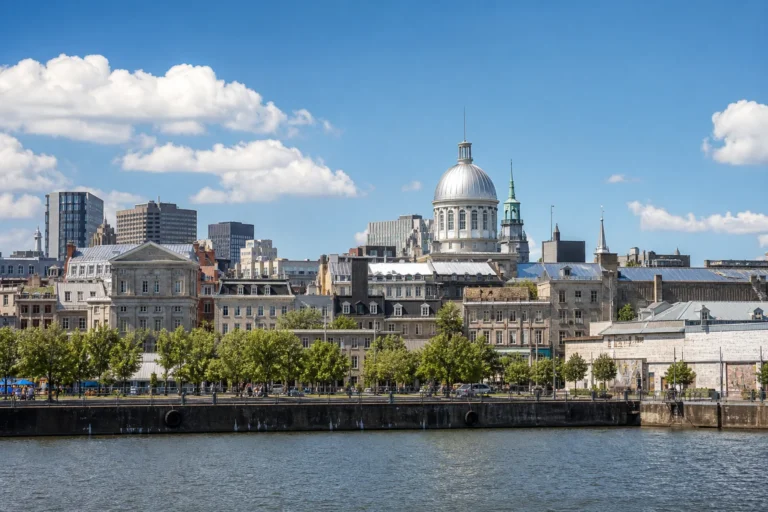
Old Montréal is the city’s dense waterfront historic core where cobblestone streets meet the Saint Lawrence River. The district shows layered architecture from the 17th to 19th centuries, grand civic buildings and intimate alleyways lined with cafés, galleries and artisan shops.
Iconic landmarks such as the ornate Notre‑Dame Basilica and Bonsecours Market anchor the neighbourhood while the riverfront promenade and Old Port maintain the area’s maritime identity.
A visit typically mixes slow walking, museum stops and time along the water. Beneath some streets are archaeological remains and museum displays that trace Indigenous presence and the city’s colonial commercial growth.
Official Old Montréal (Old Port & historic district) website →
Mount Royal Park (Parc du Mont-Royal)
Mount Royal Park is the defining green ridge at Montréal’s heart, a Frederick Law Olmsted–inspired public landscape of forested slopes, scenic lookouts and recreational spaces. From summit belvederes like the Kondiaronk Belvedere visitors see sweeping city panoramas that shaped Montréal’s urban identity.
The park combines intentionally planned vistas with naturally wooded slopes, plus features such as Beaver Lake and the summit Chalet.
Trails range from accessible paved routes to steeper natural paths and support varied seasonal uses—city strolls, hikes and winter activities. The park is managed as a protected historic and natural district, so consult official maps and visitor resources for current trail conditions and access notes before you go.
Notre-Dame Basilica of Montréal
The Notre‑Dame Basilica stands at the heart of Old Montréal as a prime example of Gothic Revival design. Built in the 1820s to James O’Donnell’s plan, the church presents a twin‑towered façade and an interior remade with polychrome woodwork, carved ornament and narrative stained glass that links local and biblical history.
A large historic pipe organ and carved choir stalls anchor the liturgical centre and contribute to the building’s strong acoustic presence.
Visitors commonly choose self‑guided or guided options to study vault ribs, sculpture and stained glass; musical events highlight the basilica’s acoustics. Practicalities include steps and thresholds in older parts of the site and possible ongoing conservation work—check official visitor resources for current accessibility and tour information.
Montréal Museum of Fine Arts (Musée des beaux-arts de Montréal)
The Montréal Museum of Fine Arts is a multi‑pavilion museum along Sherbrooke Street West whose collections span antiquity to contemporary practice. The institution emphasizes Quebec and Canadian art, Indigenous creation, decorative arts and international painting, with dedicated pavilions that help visitors focus by theme.
Architectural differences between pavilions create varied gallery atmospheres—from intimate period rooms to large modern spaces for installations.
The complex includes an auditorium and learning spaces that support lectures, films and family programs. Allow time to move between pavilions and consult the museum map in advance; rotating exhibitions mean displays change, so check official resources for current shows and guided‑tour options.
Official Montréal Museum of Fine Arts (Musée des beaux-arts de Montréal) website →
Montréal Biodôme (Space for Life)
The Montréal Biodôme is an immersive indoor facility that recreates five major ecosystems of the Americas under one roof. Housed in the former 1976 Olympic velodrome, the Biodôme leads visitors through a Tropical Rainforest, a Laurentian Maple Forest, Gulf of Saint Lawrence marine environments, the Labrador Coast and Sub‑Antarctic Islands with penguins and seabirds.
Living plants, animals and climate control create sequential, sensory experiences that emphasize ecological connections rather than isolated displays.
Part of the Space for Life network, the Biodôme pairs public education with conservation and research; behind the scenes are life‑support systems, veterinary care and breeding programs. Because exhibits and conservation projects evolve, verify current visitor services and special‑access options on official Space for Life resources.
Montréal Botanical Garden (Jardin botanique de Montréal)
The Montréal Botanical Garden is a large, research‑oriented public garden founded in 1931 from plans by Frère Marie‑Victorin and Henry Teuscher. The site combines extensive planted grounds, an arboretum and exhibition greenhouses that present plants from around the world.
Collections emphasize scientific documentation, horticultural variety and living display, with themed gardens, specimen trees and formal beds.
Notable sectors include authentic Chinese and Japanese cultural gardens that illustrate traditional design and seasonal sequence. The garden supports research, conservation and public education; its scale rewards several hours of walking and seasonal discovery.
Check official garden resources for current highlights and temporary access notes.
Official Montréal Botanical Garden (Jardin botanique de Montréal) website →
Saint Joseph's Oratory of Mount Royal (Oratoire Saint-Joseph)
Saint Joseph’s Oratory crowns the north slope of Mount Royal as a large shrine and landscaped public garden. The ensemble is notable for its monumental portico, sweeping approach and a vast copper dome that shapes the skyline.
Inside the basilica the nave, organ and articulated altar create a strong visual and acoustic focus; surrounding terraces, sculpted gardens and a Way of the Cross invite slower walking and reflection.
The site grew from Brother André’s early 20th‑century oratory into a national shrine; features include the tomb and chapel associated with Brother André and a compact museum of shrine history.
Official Saint Joseph's Oratory of Mount Royal (Oratoire Saint-Joseph) website →
Jean‑Talon Market (Marché Jean‑Talon)
Jean‑Talon Market sits at the heart of Little Italy as one of Montreal’s largest public markets, where growers, bakers, cheesemongers, fishmongers and small restaurateurs converge. Walking its aisles reveals seasonal produce, aromatic bakeries, piles of regional cheeses and counters of fresh seafood and charcuterie.
The market’s mix of open‑air sheds and sheltered vendor alleys makes it useful for quick tastings and fuller shopping trips.
Founded in the early 1930s, the market remains a culinary institution supporting short supply chains and community programming. For the fullest selection visit in the morning, bring a reusable bag and expect a mix of payment options at different stalls; consult official market resources for current vendor lists and programming.
Best Time to Visit Montreal
Montreal is strongly seasonal. For warm weather, outdoor patios, markets and full park trails choose late spring through early fall (June–September).
Winter transforms parks and Mount Royal into a snowy recreation landscape and offers festive indoor culture (November–March). Shoulder seasons (late April.
May, October) reduce crowds and show changing foliage. Pick timing based on whether you prefer summer festivals and patios or winter sports and quieter museum visits.
SPECIAL EVENTS IN Montreal
Festival International de Jazz de Montréal (Montreal International Jazz Festival)
The Festival International de Jazz de Montréal is a world-class, multi-venue music festival that transforms downtown Montréal with dozens of indoor and outdoor stages, free nightly spectacles, ticketed concerts, and year-round programming. Travelers come for internationally renowned headliners, emerging artists, and the city’s vibrant Quartier des spectacles atmosphere, plus food, pop-up activities, and cultural side events. It’s an easy cultural anchor for a summer visit to Montréal and a major draw for music lovers seeking both big-name performances and intimate club shows.
- Dates
- June 25, 2027 - July 4, 2027
- Venue
- Quartier des spectacles (multiple outdoor stages and indoor venues including Place des Arts and Maison du Festival)
Fantasia International Film Festival
Fantasia International Film Festival is Montreal’s flagship genre-film celebration, showcasing horror, fantasy, sci‑fi, anime, and boundary-pushing world cinema. Launched in 1996, the festival draws filmmakers, industry professionals, and dedicated audiences with world and North American premieres, juried and audience prizes, industry programming, and late‑night cult screenings. For travelers, Fantasia offers a concentrated, high-energy cultural experience in downtown Montreal — blending film premieres with panels, workshops, and parties that highlight local venues and Concordia University as a central hub.
- Dates
- July 15, 2027 - August 1, 2027
- Venue
- Hall Concordia (Concordia University)
Osheaga Music and Arts Festival
OSHEAGA is Montreal’s largest multi‑day outdoor music and arts festival, drawing international headliners, emerging artists, large-scale visual installations, and a broad selection of local food and vendors. Held in a leafy park setting, it’s a major summer draw for cultural travelers seeking a high‑energy music program alongside artisanal food and immersive art experiences. Visitors attend for eclectic lineups, strong local francophone representation, and the convenient transit access that makes Parc Jean‑Drapeau an easy festival base for exploring Montréal.
- Dates
- July 30, 2027 - August 1, 2027
- Venue
- Espace 67, Parc Jean‑Drapeau
Getting Around Montreal
Getting around Montreal is straightforward with an integrated transit system, cycling and walking. The Société de transport de Montréal (STM) runs the métro and buses linking downtown, Mount Royal and Old Montréal; regional trains and express buses serve suburbs.
The citywide BIXI bike‑share complements protected bike lanes for short trips. Old Montréal and central neighbourhoods are highly walkable—combine walking or BIXI for sightseeing within clusters and STM for longer hops.

Location
Map of Montreal, Quebec, Canada
The interactive map loads only when you choose to view it.
Plan Your Visit to Montreal
Plan visits around a few neighbourhoods per day (Old Montréal/Old Port, Plateau/Mile End, downtown/Mount Royal, Little Italy). Buy multi‑day STM passes or use an OPUS card for convenience.
Old Montréal and the Old Port are near Bonaventure or Champ‑de‑Mars métro stations. Mount Royal, the Oratory, the Botanical Garden and Space for Life lie farther north/east and pair well in a single outing.
Jean‑Talon Market is in Little Italy and is easily reached by métro.
Local Tips for Montreal
In Old Montréal, visit early or on weekdays to avoid crowds and wear comfortable shoes—the cobblestones and raised curbs can be uneven. On Mount Royal use official trails and lookout points and check seasonal trail conditions.
Museums and religious sites have varying photography and bag policies—consult each site before arrival. At Jean‑Talon Market bring a reusable bag and expect a mix of payment methods; explore side streets in Petite Italie for cafés.
French predominates on signage, but English is widely understood in tourist areas.
Live conditions
Current Weather

Updated 2026-09-21 16:00
- Feels like
- 12°C / 53°F
- Today’s high / low
- 16°C / 61°F · 10°C / 49°F
- Humidity
- 32%
- Wind
- ↑ 10 km/h
- Precipitation
- 0 mm
- Chance of rain
- 11%
- Local time
- 2026-09-21 16:12
Safety
Montreal is generally safe for visitors but use normal urban precautions: watch belongings in crowded tourist zones (Old Port, métro and markets) to reduce petty‑theft risk. Stay on marked trails in Mount Royal and follow park rules to avoid slips on steep or seasonal surfaces.
At night prefer well‑lit streets and main transit routes; check late‑night transit schedules. For emergencies dial 911 and use official city or STM contacts for non‑urgent issues.