
Travel Guide
Plan your visit around Kotor Old Town, Kotor City Walls and San Giovanni (St. Jo, and more of Kotor, Montenegro.
Discover the best things to do in Kotor, Montenegro, from signature sights to memorable local experiences.
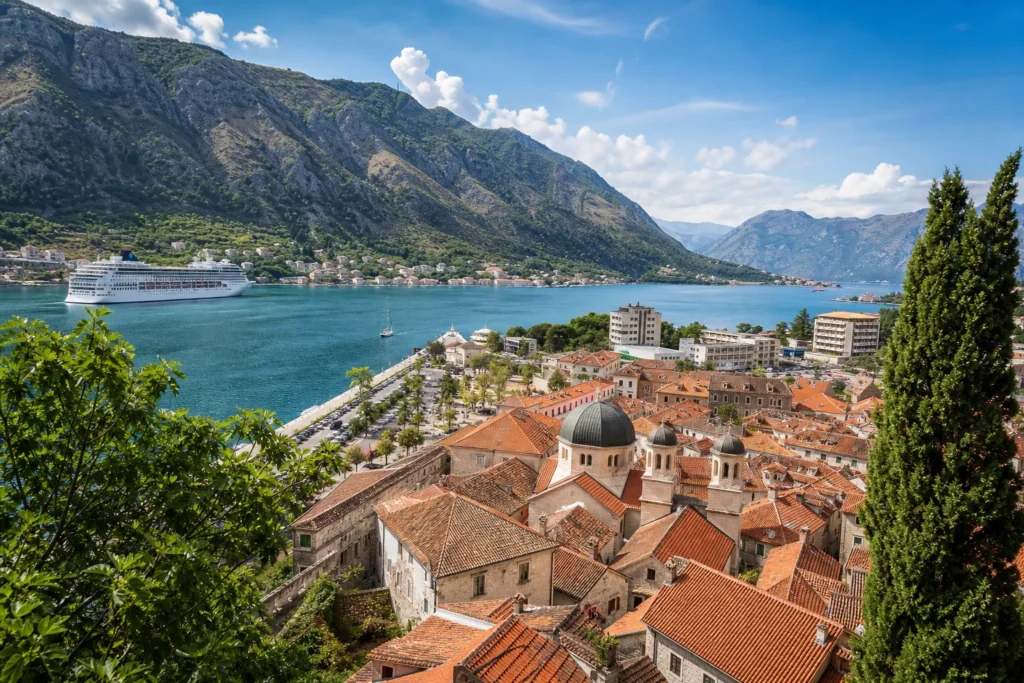
You’ll find a compact, well-preserved medieval port town on the inner shore of the Bay of Kotor. Stari Grad’s dense stone streets, palaces and churches sit beneath steep limestone slopes and long ramparts that climb to the San Giovanni (St. John) fortress.
The town’s Venetian, Byzantine and Adriatic layers make it rewarding for short walks, hill climbs and boat excursions across the fjord-like bay.
Why Visit Kotor
Visitors come to Kotor for a concentrated mix of medieval architecture, maritime history and dramatic coastal scenery. Within easy walking distance are the maze of Stari Grad with palaces and the Cathedral of Saint Tryphon, the civic Clock Square and the Maritime Museum.
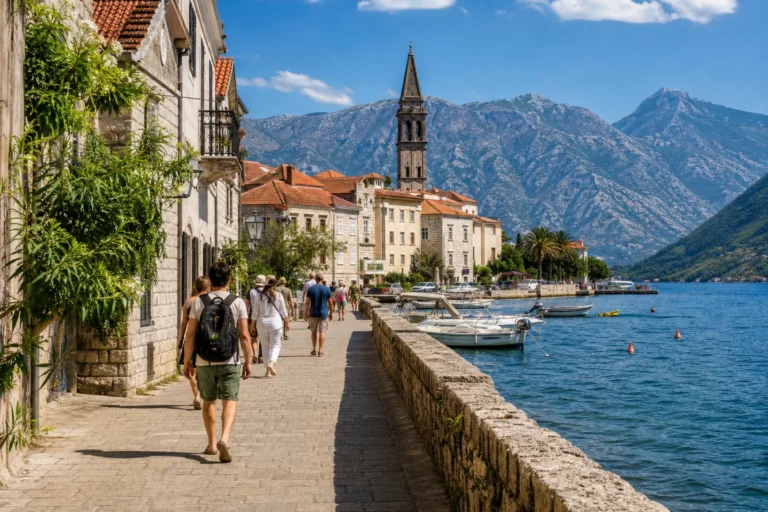
The fortified trail to San Giovanni rewards the climb with panoramic views of the bay. Nearby Perast and the island church Our Lady of the Rocks, plus drives up to Lovćen, expand the itinerary for photographers and culture-oriented travelers.
Top Things to Do in Kotor, Montenegro
Kotor’s principal sights cluster inside the Old Town and along the waterfront, with short boat trips and a single steep fortress walk providing complementary perspectives. Below are the key places and experiences to plan into a visit.
Kotor Old Town (Stari Grad)
Kotor Old Town, locally called Stari Grad, is a compact medieval core set inside high stone ramparts. The experience is best by foot: narrow lanes open onto hidden courtyards, small public squares and facades that record Byzantine, medieval and long Venetian rule.
Key landmarks — Clock Square and the Cathedral of Saint Tryphon among them — sit within a triangular footprint beside the water. Many ground floors house shops, cafés and craft ateliers, giving the town a lived-in feel that contrasts with its preserved architecture.
Note the uneven stone paving and allow time for shaded pauses and short viewpoint climbs.
Kotor City Walls and San Giovanni (St. John) Fortress
The Kotor City Walls and San Giovanni (St. John) Fortress form a dramatic military circuit climbing the flank of St. John Mountain. Ramparts, bastions and masonry stairways run from the Old Town up steep slopes to the hilltop fortress, where sweeping views take in the fjord-like Boka Bay and Kotor’s rooftops.
The surviving fabric combines early medieval origins with major Venetian-period work and punctuating ruined chapels. Visiting is a mix of urban archaeology and outdoor exertion: expect long stair flights and uneven stone paths.
Wear sturdy shoes, bring water, and check recommended access points before you go.
Cathedral of Saint Tryphon (Kotor Cathedral)
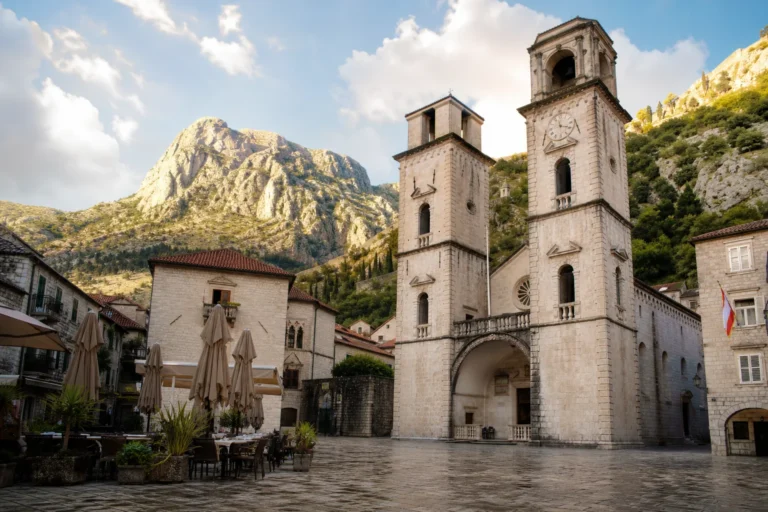
Standing in the heart of Stari Grad, the Cathedral of Saint Tryphon is a Romanesque landmark built between 1124 and 1166 and anchored to the town’s principal square. The interior reads as a three‑nave basilica with alternating columns and Corinthian capitals; fragments of medieval fresco and carved stonework reveal multiple construction phases.
Twin bell towers on the western façade reflect later rebuilding after earthquakes. The cathedral’s treasury preserves reliquaries and liturgical silver that explain Kotor’s devotional life and maritime ceremonies.
Visitors should allow time for careful viewing, check access for museum-quality rooms, and observe quiet, respectful behaviour inside.
Maritime Museum (Kotor)
The Maritime Museum in Kotor occupies an elegant historic palace and presents the bay’s seafaring past through ship models, navigational instruments, charts and portraits of captains. Originating from a local seafarers’ collection around 1880, the museum frames shipbuilding techniques, navigation and trade networks that shaped Boka Bay towns.
Galleries are intimate and objects fragile, so allow time to move between floors and to read interpretive labels that trace a sailor’s career from apprentice to captain. Check the museum’s official information for temporary exhibits, guided tours and photography rules before visiting.
Natural and Culturo‑Historical Region of Kotor (Bay of Kotor / Boka Kotorska)
The Natural and Culturo‑Historical Region of Kotor occupies the inner reaches of the Bay of Kotor, a narrow, fjord‑like harbour backed by steep mountains and terraced villages. UNESCO recognition highlights the cultural landscape where fortified medieval cores, Venetian palaces and olive terraces form a continuous seascape.
Views are strikingly vertical: towns sit tightly against the water while ramparts and climbing walls connect settlements to hilltop fortifications. For a fuller sense of the place combine walking in historic centres with short coastal crossings and drives to viewpoints; consult official heritage sources for conservation and access guidance.
Our Lady of the Rocks (Gospa od Škrpjela) — Perast
Our Lady of the Rocks (Gospa od Škrpjela) is a small artificial islet off Perast created over centuries by local fishermen who laid stones after finding a Virgin icon.
The site supports a Baroque church and a small museum whose interior holds votive paintings, devotional silverwork and important works by local artists such as Tripo Kokolja. Visits are short and intimate; the islet is reached by a five‑minute boat ride from Perast’s quay.
Nearby Sveti Đorđe (St George) contrasts with its cypress-covered monastic cemetery. Verify seasonal access and any special ceremonies with official sources before planning a trip.
Clock Square (Trg od Oružja) and Kotor Clock Tower
Clock Square (Trg od Oružja) is the principal public room of Kotor’s walled Old Town and a convenient orientation point for walking tours. Entering through the Sea Gate places you directly into this broad piazza, whose visual anchor is the Clock Tower (Sahat Kula).
The square historically served as a parade ground and weapons yard; surrounding civic and noble buildings now house cafés, shops and visitor services. Pause to study façades, the small obelisk-like pillory and arcaded frontages before moving to adjacent lanes.
Because the square is compact and heavily visited, allow time for photography and a shaded seat.
Lovćen National Park and Njegoš Mausoleum
Lovćen National Park occupies the compact, rugged Lovćen massif between the Bay of Kotor and Cetinje. The summit complex at Jezerski Vrh includes the Njegoš Mausoleum, reached by a stepped route and a short tunnel that ascend the peak.
The modern mausoleum, based on a concept by Ivan Meštrović, contains a sealed burial chamber and a central sarcophagus within a gallery-like space; carved stone figures and a circular viewing platform frame wide panoramas across the bay and beyond.
Practically, plan a brief mountain visit combining driving and walking, and verify access and seasonal conditions with park authorities.
Best Time to Visit Kotor
The most pleasant time to visit Kotor is late spring through early autumn, when mild Mediterranean weather and calm seas make walking, boat trips and hill climbs comfortable and visually striking. Shoulder seasons (May–June and September) balance warm days with fewer cruise-ship crowds and broadly open cultural sites.
High summer brings hotter temperatures and peak visitor numbers, especially from day-cruise traffic. Winter is quieter with reduced tourist services but lower accommodation rates and a different, more atmospheric townscape.
Getting Around Kotor
Kotor’s compact Old Town is best explored on foot; narrow streets and pedestrian zones put most attractions within a short stroll. The fortified walk to San Giovanni begins inside Stari Grad and requires good footwear and moderate fitness.
Regional travel uses coastal and mountain roads: local buses and intercity coaches link Kotor with Tivat, Budva and Cetinje, while cars or taxis give flexibility for Lovćen and dispersed viewpoints. Boat services and private excursions operate on the bay for Perast and island visits.
Expect limited long-term parking near the Old Town and seasonal cruise-ship traffic.
Location
Map of Kotor, Montenegro
The interactive map loads only when you choose to view it.
Plan Your Visit to Kotor
Plan to explore Kotor on foot and leave large luggage at your hotel or an official left‑luggage service before entering the Old Town. Many streets are pedestrian-only and stone-paved.
The City Walls climb to San Giovanni gains roughly 260 m and includes steep, uneven steps. Wear sturdy shoes, carry water and sun protection, and allow 1.5.
3 hours for the climb and return depending on fitness.
Use Kotor as a base for Perast, Our Lady of the Rocks and Lovćen via scheduled boats, local buses, or organised small-group tours.
Local Tips for Kotor
Start early in summer to avoid crowds and heat; Stari Grad is busiest mid-day when cruise passengers arrive. Explore side streets away from Clock Square for quieter cafés, artisan shops and small churches.
Check opening times for the Maritime Museum and Cathedral of Saint Tryphon; religious services can cause brief weekday closures and modest dress may be requested. For boat trips to Perast and Our Lady of the Rocks, buy tickets from licensed operators at the seafront quay.
To reach Lovćen, take the regional bus toward Cetinje/Lovćen or arrange a taxi for direct access to viewpoints and the Njegoš Mausoleum.
Live conditions
Current Weather

Updated 2026-09-20 21:00
- Feels like
- 16°C / 62°F
- Today’s high / low
- 26°C / 78°F · 15°C / 59°F
- Humidity
- 79%
- Wind
- ↗ 9 km/h
- Precipitation
- 0.01 mm
- Chance of rain
- 57%
- Local time
- 2026-09-20 21:07
Safety in Kotor
Kotor is generally safe, but treat the Old Town and waterfront like any busy tourist hub: keep valuables secure and stay alert in crowded areas when cruise ships disembark. Exercise particular caution on the San Giovanni trail — the path is steep and can be slippery after rain; avoid it after dark and supervise children.
For on-water activities follow operator briefings and local maritime rules and wear lifejackets on small boats. For emergencies use local numbers and follow guidance from municipal tourism offices and park authorities.