
Travel Guide
Plan your visit around Historic Charleston City Market, Fort Sumter National Monument, and more of Charleston, South Carolina.
Discover the best things to do in Charleston, South Carolina, from signature sights to memorable local experiences.
This compact coastal city blends preserved colonial and antebellum neighborhoods, harborfront vistas, and Lowcountry landscapes.
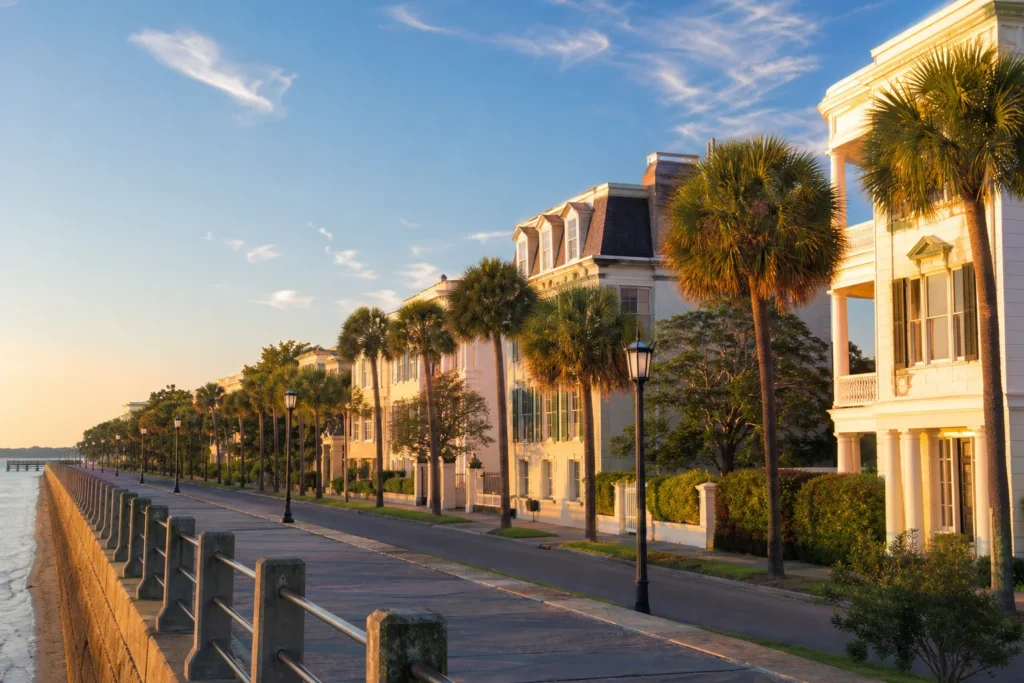
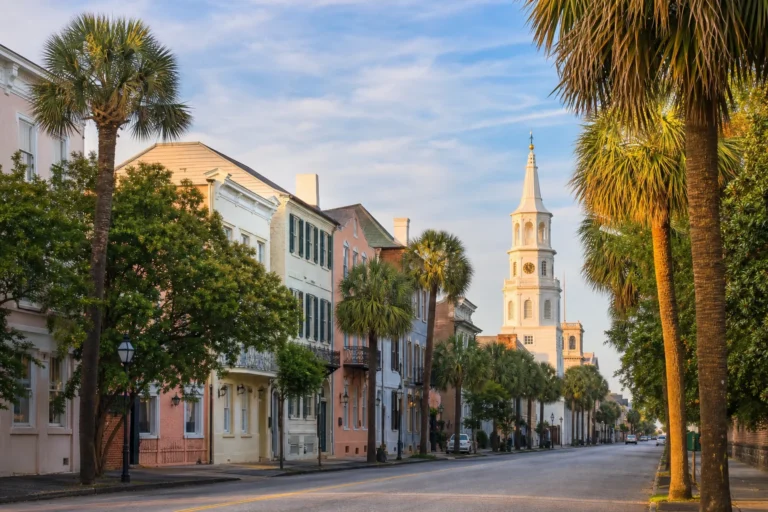
The downtown peninsula. Lined with narrow streets, painted townhouses, and landmarks such as Rainbow Row and The Battery.
Puts many major attractions, museums, and markets within easy walking distance.
Short drives from the city reach plantations, rivers, and barrier islands that showcase historic gardens, Gullah cultural history, and maritime sites like Fort Sumter. Charleston’s built fabric, culinary traditions, and waterfront setting make it easy to combine urban history, museums, and outdoor exploration in a few days.
Why Visit Charleston
Visitors come for Charleston’s well‑preserved historic places, distinctive architecture, and gardened landscapes that trace regional stories from colonial settlement through the modern era. Key draws include civic and military landmarks, nationally recognized plantations and gardens, and museum collections focused on Southern and maritime history.
The compact historic district makes it possible to combine walking tours, carriage rides, gallery visits, and harbor trips in a single multi‑day stay, while short drives bring barrier islands, nature preserves, and additional plantation sites within reach.
Top Things to Do in Charleston, South Carolina
Charleston’s downtown peninsula concentrates major attractions within easy walking distance, from covered markets and painted rowhouses to waterfront promenades and nearby plantations. Below are principal sites and experiences many visitors combine into a multi‑day itinerary.
Historic Charleston City Market
The Historic Charleston City Market occupies a long, linear set of sheds and a central Market Hall in the heart of the downtown historic district. Visitors move between covered aisles and open‑air stalls where local craftmakers, food sellers, and cultural artisans gather.
Sweetgrass basketry and other Lowcountry crafts are signature traditions here. Many makers still use hand‑weaving techniques passed down through generations, and a local certification program helps identify authentic Charleston work.
The market mixes browsing with informal education—vendor conversations, occasional demonstrations, and small interpretive panels—so check official market information for vendor lists and seasonal programming before you go.
Fort Sumter National Monument
Fort Sumter sits on an island at the entrance to Charleston Harbor and is the site where the first shots of the American Civil War were fired in 1861. Its three‑story brick walls, casemates, and gun emplacements illustrate nineteenth‑century coastal defense engineering and the fort’s symbolic role in national memory.
Access is by boat only. National Park Service ferries depart from the Fort Sumter Visitor Education Center, where exhibits set the scene before boarding.
On the island, visitors walk the open parade ground, tour preserved interior rooms, and view original cannon and masonry. Check NPS guidance and ferry schedules before travel and bring sun protection and comfortable shoes.
Magnolia Plantation & Gardens
Magnolia Plantation & Gardens sits on an estate of cultivated grounds and wild wetlands near Charleston. The property covers formal garden rooms, marshes, trails, and a boardwalked Audubon Swamp Garden noted for birds, turtles, and wetland plants.
The gardens grew from nineteenth‑century and Victorian planting fashions and opened to the public in 1871. Expect large azaleas, camellias, and moss‑draped live oaks.
Interpretation addresses both landscape beauty and difficult history: guided tours such as “From Slavery to Freedom,” house tours, a Nature Train, occasional boat excursions, and an on‑site Wildlife Center deepen understanding. Check Magnolia’s official visitor pages for current offerings.
Middleton Place National Historic Landmark
Middleton Place is a National Historic Landmark centered on formal eighteenth‑century terraced gardens recognized as America’s oldest landscaped garden. The estate on the Ashley River pairs deliberate terraces, allees, and ornamental features with preserved grounds and museum‑interpreted buildings.
The property maintains demonstration rice fields, heritage livestock, and Stableyards that interpret African American life and labor. Exhibits such as Eliza’s House provide focused slavery interpretation alongside conservation and restoration work.
Visits typically mix garden walks with house and Stableyards programs; check Middleton Place’s site for current tours and exhibits.
Official Middleton Place National Historic Landmark website →
Gibbes Museum of Art
The Gibbes Museum of Art anchors a historic Charleston block as a regional museum focused on American art, with particular depth in Southern and Charleston‑related works. Housed in a restored early‑twentieth‑century Beaux‑Arts building, the museum blends period galleries with education studios and the Lenhardt Garden.
The permanent collection spans roughly three and a half centuries and includes miniature portraits, nineteenth‑century landscapes, and contemporary commissions alongside rotating exhibitions and artist residencies. Visitors can pair quiet gallery time with museum programs; check the museum’s official visitor information for current displays and events.
The Battery & White Point Garden
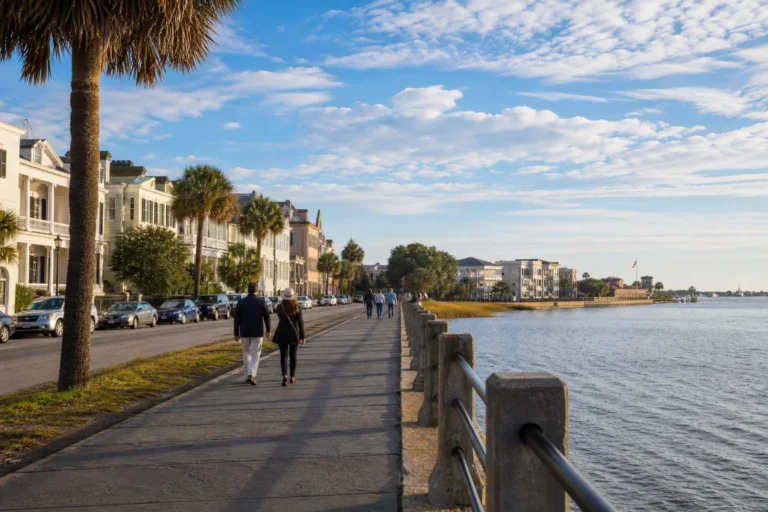
The Battery and White Point Garden form Charleston’s waterfront terminus, pairing a long promenade with a small, tree‑shaded public park at the peninsula’s southern tip. The Battery includes the High and Low Battery seawalls and a parade of antebellum houses facing Charleston Harbor; White Point Garden offers lawns, live oaks, monuments, and displayed artillery.
Visitors enjoy broad harbor views and the concentrated architectural character of the waterfront district. The seawalls and park are municipal assets subject to preservation and resilience work, so check city or parks sources for current notices about restoration or special uses.
Patriots Point Naval & Maritime Museum (USS Yorktown)
Patriots Point centers on the USS Yorktown (CV‑10), an Essex‑class aircraft carrier preserved as the museum’s anchor exhibit. Visitors tour flight deck spaces, the island superstructure, engineering compartments, and crew areas that convey shipboard life from World War II through later conflicts.
Onboard exhibits mix hardware and human stories and include a Medal of Honor museum gallery and an immersive Vietnam Experience with aircraft and base‑camp artifacts. The museum offers guided tours, audio aids, and specialty programs; visitors should plan for tight passageways and metal surfaces and respect preservation signage and veterans’ memorials.
Official Patriots Point Naval & Maritime Museum (USS Yorktown) website →
Rainbow Row (Historic District)
Rainbow Row is the informal name for a block of thirteen adjoining historic houses on East Bay Street, forming one of Charleston’s most photographed streetscapes. The buildings date from the eighteenth and early nineteenth centuries and originally served as merchants’ houses and mixed‑use properties facing the harbor.
A twentieth‑century restoration and coordinated pastel repainting produced the row’s distinctive palette. Because most properties remain private residences, visitors experience Rainbow Row from the sidewalk and nearby viewpoints; it is best enjoyed on foot as part of a broader historic district walk.
Best Time to Visit Charleston
The most comfortable windows are spring (March–May) and autumn (September–November). Spring highlights include flowering public gardens and active outdoor programming; autumn offers milder temperatures and fewer summer crowds.
Summer brings long daylight and beach access but higher humidity and overlaps the Atlantic hurricane season (June–November). Winter is mild and quieter, which can mean lower rates and fewer crowds, though some services run reduced schedules.
SPECIAL EVENTS IN Charleston
MOJA Arts Festival
MOJA Arts Festival is Charleston’s annual multi-disciplinary celebration of Black arts and culture, presenting music, visual arts, dance, theater, storytelling, poetry, craft, culinary events and family programming. Produced in partnership with the City of Charleston Office of Cultural Affairs, the MOJA Planning Committee, and the nonprofit MOJA Arts, the festival attracts regional and national artists and visitors each autumn. Travelers attend for lively outdoor gatherings, juried exhibitions, concerts, and immersive experiences that highlight Charleston’s rich African Diaspora heritage across multiple city venues.
- Dates
- September 24, 2026 - October 1, 2026
- Venue
- Multiple venues across Charleston; opening event announced for Marion Square
Southeastern Wildlife Exposition (SEWE)
The Southeastern Wildlife Exposition (SEWE) is a longstanding Charleston celebration of wildlife art, outdoor life and conservation. Held across multiple downtown venues, the exposition features wildlife and nature fine art, live-animal demonstrations, sporting exhibitions, artisan markets, family programs and evening special events. SEWE draws collectors, outdoor enthusiasts and families, and serves as a concentrated weekend to experience Lowcountry food, galleries and waterfront attractions alongside conservation organizations and hands-on programming.
- Dates
- February 12, 2027 - February 14, 2027
- Venue
- Multiple downtown venues including Marion Square, Gaillard Center, Brittlebank Park, The Charleston Place and Charleston Marriott
Charleston Wine + Food (CHSWF)
Charleston Wine + Food is a multi-day culinary festival celebrating the city’s restaurants, chefs, beverages, and foodways while funding local hospitality initiatives. Travelers attend for chef-driven dinners, tastings, educational panels, and large sampling experiences that showcase Lowcountry cuisine and regional producers. The festival is a major draw for food-focused visitors seeking hands-on events, special menus, and a concentrated opportunity to meet local chefs and purveyors, while supporting nonprofit culinary and hospitality programs in the Charleston community.
- Dates
- March 3, 2027 - March 7, 2027
Cooper River Bridge Run (10K)
The Cooper River Bridge Run is a large, community-focused 10K that carries runners and walkers across the Arthur Ravenel Jr. Bridge into downtown Charleston. It attracts tens of thousands of participants and spectators, pairs a scenic waterfront course with a festive finish-line celebration, and supports local charities and community partners. Travelers should plan for road closures, a busy finish-festival atmosphere, and limited downtown parking — all factors that make the event a notable spring experience for visitors to Charleston. ([bridgerun.com](https://bridgerun.com/?utm_source=openai))
- Dates
- April 3, 2027
- Venue
- Downtown Charleston (Finish Festival)
Getting Around Charleston
Charleston’s historic core is highly walkable; many attractions sit within or near the downtown peninsula and the Battery/White Point Garden area. Public transit is provided by CARTA, which runs local buses and the free Downtown Area Shuttle (DASH).
Ferries and concession boat tours serve harbor sites such as Fort Sumter, and seasonal water taxis connect waterfront pockets. Rideshares, taxis, bike rentals, and guided tours fill mobility gaps.
Expect limited downtown parking and narrow streets—combine walking, shuttles, and ferries for the most convenient visits.
Location
Map of Charleston, South Carolina, United States
The interactive map loads only when you choose to view it.
Plan Your Visit to Charleston
Plan to explore Charleston’s compact Historic District on foot or by small‑group tours to avoid limited on‑street parking and motorcoach restrictions. Use visitor maps from Explore Charleston and city parking garages for longer stays.
Fort Sumter is reachable only by scheduled ferries from the Fort Sumter Visitor Education Center and may require advance tickets in high season. Major plantations such as Magnolia and Middleton Place are off‑peninsula and usually reached by car, rideshare, or organized tours.
Check each site for ticketing and program details.
Local Tips for Charleston
Downtown mornings and late afternoons are best to avoid midday heat and tour‑group congestion at Rainbow Row, the Battery, and the City Market. At the City Market, look for certified sweetgrass basketmakers to ensure authentic work.
Many cultural sites publish visitor guidelines and map PDFs; check official pages for accessibility details and which on‑site experiences require reservations. Public restrooms are concentrated in visitor centers, parks, and city garages.
If using a tour bus or commercial guide, secure required city tour/parking permits in advance.
Live conditions
Current Weather

Updated 2026-09-21 23:30
- Feels like
- 84°F / 29°C
- Today’s high / low
- 88°F / 31°C · 75°F / 24°C
- Humidity
- 83%
- Wind
- → 5 mph
- Precipitation
- 0 in
- Chance of rain
- 83%
- Local time
- 2026-09-21 23:34
Safety in Charleston
Charleston’s coastal location brings strong summer heat and humidity—carry water, sun protection, and plan shaded breaks. Tidal or nuisance flooding can affect low‑lying waterfront streets near the Battery and harbor; avoid driving through flooded streets and follow local advisories.
Historic buildings and narrow sidewalks mean pedestrian awareness is important—use marked crosswalks and expect delivery vehicles in alleys. For harbor and naval attractions, follow posted safety rules and crew instructions for boarding vessels and ferries.
Emergency services and visitor resources are available via the City of Charleston and the National Park Service.