
Travel Guide
Plan your visit around Space Needle, Pike Place Market, and more of Seattle, Washington.
Discover the best things to do in Seattle, Washington, from signature sights to memorable local experiences.
Start at the city’s waterfront and the compact cultural cluster around Seattle Center.
Pike Place Market, the Space Needle, museums like MoPOP and Seattle Art Museum, and parks from Discovery Park to Gas Works Park give a quick, all-season mix of urban culture, maritime history, and accessible outdoor escapes.
Why Visit Seattle
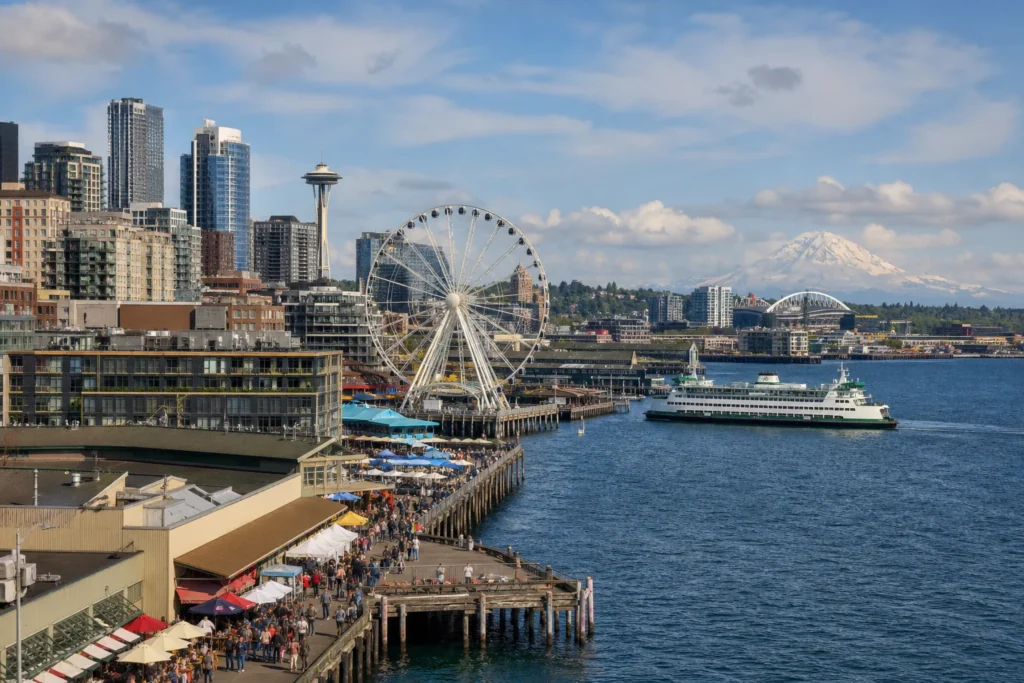
Visit Seattle for a tight cluster of signature experiences: the century-old Pike Place Market and waterfront, panoramic viewpoints from the Space Needle and nearby parks, major museums (Seattle Art Museum, MoPOP, Chihuly Garden and Glass) and family favorites such as the Seattle Aquarium.
Outdoor options range from forested trails at Discovery Park to waterfront promenades and the engineering spectacle of the Ballard Locks. The city blends seafood and craft coffee culture with lively neighborhoods, an active arts calendar, and easy access to nearby islands and Puget Sound adventures.

Top Things to Do in Seattle, Washington
From waterfront markets to large-scale museums and urban parks, these highlights concentrate Seattle’s best visitor experiences into manageable visits around downtown and Seattle Center.
Space Needle
Rising above Seattle Center, the Space Needle gives visitors a compact, cinematic view of the region. Its primary observation level sits roughly 520 feet above ground and the structure reaches about 605 feet in total height, offering uninterrupted 360-degree panoramas that include Mount Rainier, Puget Sound, and the Olympic and Cascade ranges.
Recent renovations added modern glass features—tilted glass walls, glass benches called Skyrisers, and the rotating glass floor known as The Loupe—alongside indoor and outdoor viewing areas.
The Needle’s location at Seattle Center makes it an easy first stop when combining museums, parks, and performance venues in a single visit; check the official site for timed tickets and advisories.
Pike Place Market
Pike Place Market is a layered public marketplace where vendors, craftspeople, and restaurants intermingle across multiple levels. Enter under the Public Market Center sign to find produce stalls, artisan shops, small eateries, street performers, and the theatrical fish-throwing vendors.
A bronze pig named Rachel near the main entrance collects donations for market social programs, and the MarketFront and covered arcades reward wandering down alleys and quieter levels.
The Market dates to a 1907 ordinance establishing a public farmers’ market; resident-led preservation in the early 1970s secured its mixed-use character. Expect crowds at peak times—wear comfortable shoes and allow extra time to explore side passages and galleries.
Chihuly Garden and Glass
Chihuly Garden and Glass sits beside the Space Needle at Seattle Center, where blown-glass installations meet a planted urban landscape.
The site combines an enclosed Exhibition Hall, a dramatic Glasshouse centerpiece, and a landscaped Garden where smaller blown forms nest among trees and perennials, creating shifting effects of color and light between indoor galleries and open-air paths.
Onsite interpretation includes theater programs that explain glassblowing and occasional live demonstrations that show how teams shape molten glass. The compact, layered experience pairs naturally with nearby museums—allow time to visit both the interior galleries and outdoor displays and check official pages for ticketing and access details.
Seattle Art Museum (including Olympic Sculpture Park and Seattle Asian Art Museum)
The Seattle Art Museum (SAM) operates across three sites: the downtown museum with rotating special exhibitions, the Seattle Asian Art Museum in Volunteer Park, and Olympic Sculpture Park along the waterfront.
Each site offers a different way to experience art—indoor galleries for global and contemporary collections, a human-scale Art Deco setting for Asian works, and large-scale outdoor sculpture set against Puget Sound and mountain backdrops.
Olympic Sculpture Park is publicly accessible without a ticket and rewards walking and sitting among monumental works, while the downtown and Asian Art Museum sites have separate admission and special-exhibit practices. SAM emphasizes learning through guided tours, family programs, and interpretive materials—check official pages for hours and visitor advisories.
Museum of Pop Culture (MoPOP)
MoPOP is an immersive museum devoted to popular culture, music, science fiction, and contemporary media, housed in a striking Frank O. Gehry building at Seattle Center.
The galleries mix original objects, media, hands-on interactives, listening stations, and film clips to create sensory-rich exhibits. Sky Church and occasional live programs extend the museum into performance and community gatherings.
Collections and rotating shows emphasize music and Seattle’s cultural scenes—past displays have highlighted Jimi Hendrix, regional grunge history, and the evolution of the electric guitar—alongside exhibits on gaming, film, and youth culture. Plan your visit around the exhibitions you most want to see and allow time for audio and film components.
Discovery Park
Discovery Park is Seattle’s largest urban park at roughly 560 acres, preserving coastal forest, meadow, and bluff habitats on Magnolia Bluff. The named Loop Trail is about 2.8 miles and links overlooks, forested sections, and shore paths; South Beach and North Beach routes provide tidal beach access with views toward West Point Lighthouse from shore.
The park blends wildlife refuge, interpretive signage, and traces of Fort Lawton’s past. It functions as an outdoor classroom with volunteer-led walks and restoration projects; because trail surfaces and seasonal conditions vary, bring layers, sturdy shoes, and check City Parks pages or Friends of Discovery Park for maps and advisories.
Seattle Aquarium
The Seattle Aquarium sits on the downtown waterfront across Pier 59 and Pier 60 and highlights Puget Sound marine life through habitat-focused exhibits. Signature experiences include the Window on Washington Waters and the Underwater Dome, hands-on tidepool touch tanks, and marine-mammal habitats featuring sea otters, harbor seals, and northern fur seals.
The adjoining Ocean Pavilion expands displays to include tropical reef species, rays, and small sharks.
The Aquarium operates as a conservation-focused education organization with keeper talks, daily feedings, school programs, and partnerships with Tribal Nations and regional agencies. Exhibits and animal rotations change occasionally, so check the official visitor pages for current programming before you go.
Hiram M. Chittenden Locks (Ballard Locks)
The Hiram M. Chittenden Locks—commonly called the Ballard Locks—connect Puget Sound to the Lake Washington Ship Canal and remain active navigation infrastructure operated by the U.S. Army Corps of Engineers.
Visitors can watch vessels pass through lock chambers and use a dedicated fish ladder to see migrating salmon move between salt and fresh water, a seasonal highlight for wildlife viewing.
The site includes the Carl S. English, Jr. Botanical Garden and a visitor center with interpretive exhibits.
Listed on the National Register of Historic Places, the Locks combine engineered waterways, landscaped grounds, and opportunities to spot seals and diving birds; check the Corps’ site for current visitor advisories.
Official Hiram M. Chittenden Locks (Ballard Locks) website →
Gas Works Park
Gas Works Park occupies the north shore of Lake Union and pairs expansive lawns and a viewing mound with preserved industrial structures from the former Seattle Gas Light Company plant.
Richard Haag’s adaptive-reuse design intentionally kept steel machinery and retorts as sculptural elements, framing skyline and water views that make the site popular for picnics, kite flying, photography, and skyline watching.
Prior remediation and ongoing environmental monitoring shaped park layout and uses. Look for the engine-house forms, shoreline terraces, and the grassy hill that offer broad views of downtown and Lake Union; check the City Parks pages for any special-event advisories before you visit.
Seattle Center
Seattle Center is a 74-acre civic and cultural campus created for the 1962 World’s Fair that gathers the Space Needle, museums, theaters, performance halls, public plazas, and partner organizations into a single walkable precinct.
Visitors typically arrive at the International Fountain and move outward to museums, galleries, and festival spaces, making the campus an easy hub for a half- or full-day of exploration.
Many buildings date from the fair and have been adapted for contemporary use, so Seattle Center blends historic mid-century forms with ongoing renewal. Treat the campus as a collection of distinct attractions and check individual partner and event calendars for schedules, closures, and accessibility information before you go.
Best Time to Visit Seattle
Seattle’s mild maritime climate makes late spring through early fall (May. September) the most comfortable stretch for sightseeing, outdoor parks, and waterfront activity, with the longest daylight and driest weather.
Shoulder seasons in April and October mean fewer crowds and lower rates but wetter conditions.
Winter suits travelers prioritizing lower prices or indoor cultural programming; expect shorter daylight and more rain from November through March.
SPECIAL EVENTS IN Seattle
Emerald City Comic Con (ECCC)
Emerald City Comic Con is a major Pacific Northwest pop‑culture convention that draws comic creators, celebrity guests, exhibitors, artists, gamers, and cosplay communities. Travelers attend for panels, signings, exclusive merch, an expansive show floor, and community events that showcase fandom culture in Seattle. The event offers plentiful opportunities for collectors, families, and photographers, and it’s well integrated with downtown dining, transit, and lodging options — making it a convenient multi‑day experience for visitors planning a city stay around pop‑culture programming.
- Dates
- March 4, 2027 - March 7, 2027
- Venue
- Seattle Convention Center — Summit and Arch buildings
Seattle International Film Festival (SIFF)
Seattle International Film Festival (SIFF) is a long-running international film festival and Seattle nonprofit that programs hundreds of features, documentaries and shorts across multiple cinemas in the city. Travelers may care because SIFF brings premieres, international cinema, and special events—panels, parties, and unique format screenings—that showcase Seattle’s film culture and neighborhood venues, making it an appealing cultural draw for visiting cinephiles and families. The festival also provides opportunities to meet filmmakers and discover films before wide release.
- Dates
- May 13, 2027 - May 23, 2027
- Venue
- SIFF Cinemas and venues throughout the city
Seafair
Seafair is Seattle’s long-running summer festival series centered on waterfront spectacle: hydroplane racing, a major air show, parades, concerts, food vendors, and neighborhood celebrations. Travelers come for the dramatic Blue Angels and other flight demonstrations, the fast-paced H1 Unlimited hydroplanes on Lake Washington, and lively community events that showcase Seattle’s waterfront and parks. Expect large crowds, traffic impacts, and memorable photo opportunities — it’s ideal for visitors who enjoy outdoor festivals, aviation displays, and maritime traditions.
- Dates
- August 6, 2027 - August 8, 2027
- Venue
- Genesee Park / Stan Sayres Memorial Park (Lake Washington shoreline)
Getting Around Seattle
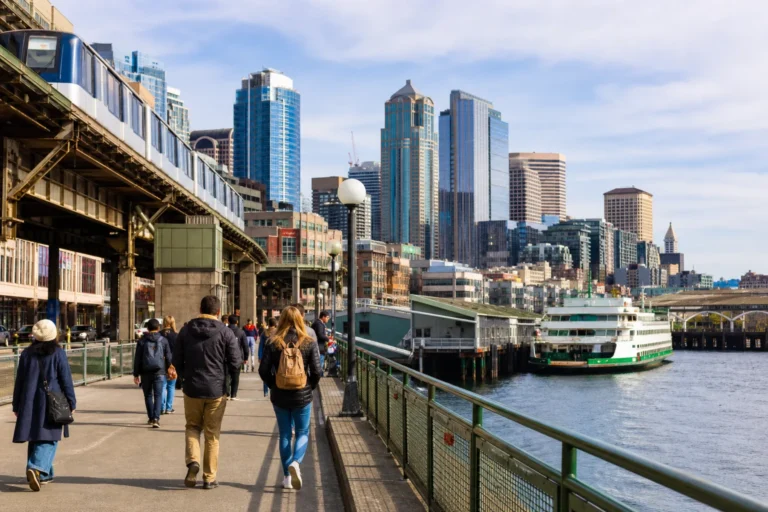
Seattle’s central neighborhoods are walkable and well served by regional transit: buses and Link light rail connect downtown to neighborhoods and the airport, and ferries from the downtown waterfront provide scenic regional links across Puget Sound. Seattle Center is reachable by bus and the Monorail.
Rideshares, bikes, and e-scooters fill gaps; expect hills, variable weather, and weekday traffic, and consider transit or park-and-ride options when visiting downtown.
Location
Map of Seattle, Washington, United States
The interactive map loads only when you choose to view it.
Plan Your Visit to Seattle
Plan geographically—Downtown/Waterfront, Pike Place/Lower Queen Anne, Capitol Hill, Ballard, and Magnolia—to avoid back-and-forth travel. Use an ORCA card, Transit GO Ticket, or contactless pay for transfers across Link light rail, King County Metro buses, Seattle Streetcar, and other services.
Many top venues sit within walkable clusters; reserve timed-entry attractions online when available and allow extra time for lines, elevators, and waterfront or park walks.
Local Tips for Seattle
Explore Pike Place Market on foot early for produce and later for restaurants. Vehicle access and pedestrian flow can change, so use nearby garages or public transit.
For Discovery Park, bring layers, sturdy shoes, and a map—trails include beach access and steep sections.
Ballard Locks and waterfront areas combine walking routes with limited parking; consider bikes or scooters for short hops. Check official visitor pages for each site’s accessibility, bag, and photography policies before you go.
Live conditions
Current Weather

Updated 2026-09-21 17:30
- Feels like
- 70°F / 21°C
- Today’s high / low
- 72°F / 22°C · 52°F / 11°C
- Humidity
- 41%
- Wind
- ↓ 2 mph
- Precipitation
- 0 in
- Chance of rain
- 9%
- Local time
- 2026-09-21 17:41
Safety
Seattle is generally safe for daytime visitors but includes neighborhoods with higher property crime and occasional street-level disturbances—stay aware of your surroundings, especially at night. Keep valuables out of sight in parked cars and use well-lit, busy routes and transit hubs after dark.
For outdoor sites, watch tides at beaches, stay on marked trails, and check official park advisories for closures. In emergencies call 911.