
Travel Guide
Find top sights, local places, maps, weather, and simple trip tips for Budapest, Hungary.
Looking for Things to Do in Budapest, Hungary? Use this guide to compare top sights, local tips, maps, weather, and nearby places.
If you’re searching for things to do in Budapest you’ll find a compact capital built on both banks of the Danube, where Buda’s hills meet Pest’s broad avenues.
The city’s UNESCO‑listed riverfront, castle quarter, grand 19th‑century civic buildings and historic thermal baths make it easy to combine walking routes, museum visits and restorative spa time in a short stay.
Why Visit Budapest
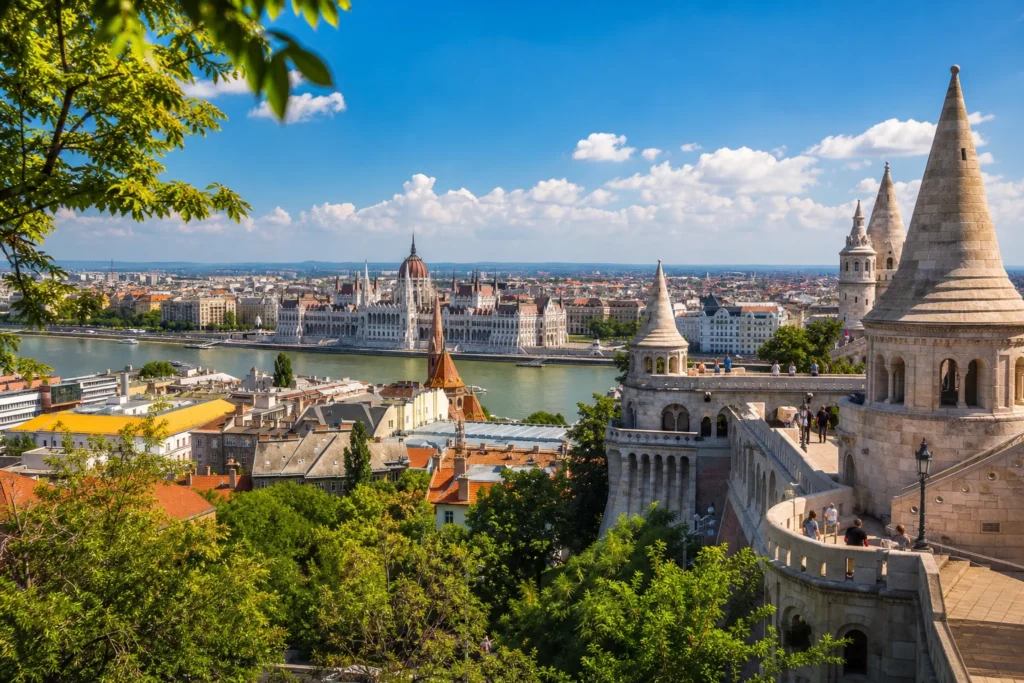
Budapest appeals for its layered architectural scenery—from the Parliament’s riverside silhouette to the cobbled lanes of the Castle District and the fairytale terraces of Fisherman’s Bastion. The city’s long thermal‑spa tradition places large, historic bath complexes in parks and palace‑like buildings, offering a distinctive leisure experience year‑round.
Visitors also enjoy major museums and galleries housed in grand buildings, atmospheric historic cafés, lively market halls with local foodways, and broad avenues of shops and bistros that make cultural immersion easy and walkable.
Top Things to Do in Budapest, Hungary
Budapest’s top attractions cluster along the Danube, in the Castle District and in City Park—each offering a mix of monuments, museums and atmospheric public spaces. Below are the essential sights to plan into your visit.
Buda Castle (Castle District)
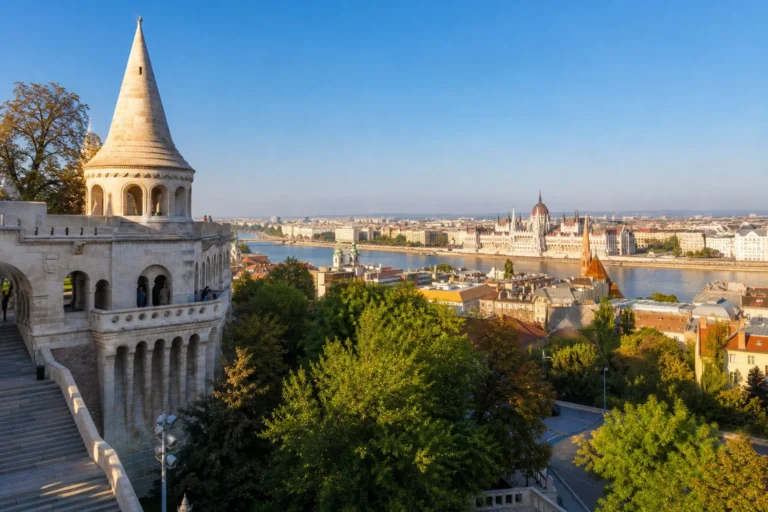
Perched above the Danube, Buda Castle anchors the Castle District and shapes a distinctive skyline. The hill setting gives sweeping views across the river to Pest and to the city’s bridges, and the terraces and baroque façades reveal layers of rebuilding from medieval origins through Habsburg‑era formality and postwar restoration.
Within the palace complex visitors find public courtyards, ramparts and museums. The Hungarian National Gallery presents the nation’s visual history, the Budapest History Museum traces urban development, and the National Széchényi Library preserves historic documents.
Access options include pedestrian streets, a historic funicular and vehicular routes; the district’s narrow lanes reward slow exploration.
Hungarian Parliament Building (Országház)
Dominating the Pest riverbank, the Hungarian Parliament Building is a monumental Neo‑Gothic symbol facing Kossuth Square. Its symmetrical façades, pinnacles and central dome create a dramatic riverside silhouette best appreciated from the promenade, and the late‑19th‑century design fused historicist ornament with modern structural techniques of the era.
Guided tours commonly include the grand staircase, the richly decorated Dome Hall and the ceremonial area where the Holy Crown and coronation regalia are displayed under continuous guard. Because the building functions as the legislature, expect security screening and occasional access changes; consult official visitor information for tour availability and closures.
Official Hungarian Parliament Building (Országház) website →
Fisherman's Bastion (Halászbástya)
Fisherman’s Bastion crowns Castle Hill beside Matthias Church with fairytale turrets, arcaded terraces and broad views across the Danube to Pest. Built around the turn of the twentieth century on older castle walls, its seven small towers symbolically recall the Magyar chieftains and were conceived as a panoramic promenade rather than a fortification.
Visitors find light stonework, slender stairways and balustrades framing photographic vistas of the river and bridges. The bastion pairs naturally with Matthias Church and the Castle District’s lanes; expect crowds at peak times and check for any ticketed or restricted access on elevated corridors before visiting.
Széchenyi Thermal Bath
Széchenyi Thermal Bath, set in City Park, is a landmark neo‑Baroque spa complex built around deep artesian wells that supply hot, mineral‑rich water.
The ensemble combines striking yellow façades and classical pavilions with both outdoor steam pools and a range of indoor pools, saunas and treatment rooms intended for public medicinal bathing rather than private luxury.
Visiting the baths combines restorative treatments with a lively public scene—people soak, socialize and even play chess in waist‑deep water. Practical points: bring appropriate swimwear, expect mixed public spaces and locker arrangements, and check official sources for current visitor rules, medical services and ticketing.
St. Stephen's Basilica (Szent István-bazilika)
St. Stephen’s Basilica stands on a broad square in central Pest with a classical façade, twin towers and a vaulted central dome that shapes the skyline.
The interior is cool and luminous, with stone, marble and detailed mosaics; the basilica preserves the so‑called Holy Right, a medieval relic linked to Hungary’s first king, which contributes to the site’s ceremonial importance.
Visitors can attend services, explore the treasury or take a stair or lift to the dome terrace for near‑360° panoramas across the Danube and the city. Concerts and liturgies regularly animate the interior; check the basilica’s visitor information for exhibitions and access arrangements.
Official St. Stephen's Basilica (Szent István-bazilika) website →
Gellért Hill and the Citadella
Rising above the Danube on the Buda side, Gellért Hill offers steep planted slopes, walking paths and dependable panoramic outlooks.
The Citadella, a nineteenth‑century fortress on the summit, once commanded the river and city; today the hill is known for its Liberty Statue, smaller memorials and broad terraces that frame views of the Parliament and the long ribbon of Pest.
The hill’s paths range from steep paved sections to planted promenades; allow time for the climb and for stopping at viewpoints. The Citadella area includes interpretive displays and public spaces, and visitors should check official sources for any exhibitions or access notes.
Heroes' Square (Hősök tere)
Heroes’ Square marks the formal gateway to City Park at the end of Andrássy Avenue. Anchored by the Millennium Monument—with a tall column topped by the Archangel Gabriel and colonnades displaying bronze portraits of Hungary’s leaders—the square narrates national history through sculpture and public architecture conceived for the 1896 millennium.
Two major museums, the Museum of Fine Arts and the Mücsarnok (Hall of Art), bookend the plaza, making the site a natural pairing for museum visits. Expect an active public space with occasional ceremonies and variable visitor densities.
Great Market Hall (Nagyvásárcsarnok)
The Great Market Hall on Fővám tér beside the Liberty Bridge is Budapest’s largest historic covered market, opened in 1897 and noted for its vaulted ironwork hall and colourful glazed‑tile roof.
The three levels traditionally separate fresh produce and butcher stalls on the ground floor, handicrafts and prepared foods above, and storage and fishmongers in the basement.
Visitors encounter vivid displays of paprika, sausages, fruits and cured meats amid a trussed interior with high windows and decorative ironwork. Treat the market as both a food market and a cultural landmark and verify current vendor offerings or renovation work through official market sources before visiting.
Best Time to Visit Budapest
Late spring (May–June) and early autumn (September) offer mild weather, long daylight and fewer summer crowds—ideal for walking the riverside, Castle District and open‑air markets. Summer brings festivals and outdoor dining but higher visitor density; winter is atmospheric for thermal‑bath visits and holiday markets, though colder.
Choose shoulder seasons for comfortable outdoor sightseeing and tram or walking itineraries; pick winter for quieter museums and indoor cultural programs.
Special events
Upcoming Events
Budapest Wine Festival (Budapesti Borfesztivál)
A long-running celebration of Hungarian wine culture set against the historic Buda Castle, the Budapest Wine Festival brings dozens of wineries, professional tastings, food pairing, live music and cultural programming together for locals and visitors. It’s a strong draw for travelers interested in regional wines, tasting flights, premium gastronomy and scenic UNESCO-listed views. The festival also offers specialist programs, VIP experiences and educational sessions, making it useful for both casual visitors and serious wine enthusiasts planning a culturally rich city visit.
- Dates
- September 9, 2026 - September 12, 2026
- Venue
- Buda Castle (Budavári Palota) — festival areas include Fisher Children's Terrace, Savoy Terrace, Hunyadi Courtyard, Lion's Court and Csikós Courtyard
Budapest Artineris (formerly Budapest Art Week)
Budapest Artineris is a citywide contemporary art week in Budapest that promotes the local contemporary scene through exhibitions, open studios, performances, talks and site-specific projects across multiple neighbourhood venues. Launched as the international extension of Rome Art Week and initially known as Budapest Art Week, it provides an accessible platform connecting artists, curators, galleries and the public, encouraging collaboration and discovery. Travelers interested in gallery-hopping, artist encounters, and thematic walks will find varied programming that highlights Budapest's vibrant art networks. ([budapest.artineris.com](https://budapest.artineris.com/en/))
- Dates
- September 21, 2026 - September 27, 2026
SPAR Budapest Maraton® Fesztivál
Hungary’s largest recreational running festival, the SPAR Budapest Maraton® Fesztivál attracts tens of thousands of runners and spectators to a multi-distance, two-day celebration across Budapest. It combines a full marathon with shorter competitive and fun distances, local atmosphere, live music and large spectator support—making it appealing both to goal-focused runners and travelers who want a lively city event. The festival is organized by the Budapest Sportiroda (BSI) and is a major draw for international participants and sports-minded visitors.
- Dates
- October 10, 2026 - October 11, 2026
Vörösmarty Classic Xmas (Vörösmarty Square Christmas Market)
A long-running, city-centre Christmas market held on Vörösmarty Square, featuring curated Hungarian crafts, seasonal street food, and festive light installations. It’s organized as part of Budapest’s official Advent program and is a convenient stop for travelers exploring Váci utca and the inner city. Visitors come for artisanal gifts, classic Hungarian specialties (kürtőskalács, goulash, mulled wine), family-friendly attractions and photo-ready decorations. The market’s central location and reputation for quality stalls make it a practical and atmospheric destination for holiday travelers.
- Dates
- October 28, 2026 - January 6, 2027
- Venue
- Vörösmarty tér
Getting Around Budapest
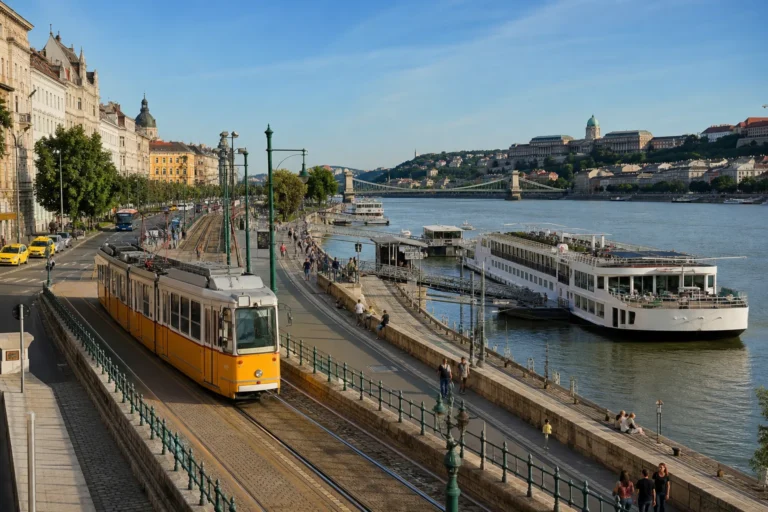
Budapest has a dense, well‑integrated public‑transport network of metro lines, trams, buses and suburban rail linking main tourist hubs; short river crossings and funiculars connect Buda’s hilltop sites with Pest. The central districts are very walkable for major sights clustered along the Danube, Andrássy Avenue and in the Castle District.
Use Metro Line 1 or trams for quick hops and consider multi‑day public‑transport passes if you plan frequent travel. Taxis and rideshares work for late‑night trips—use regulated apps or official stands.
Location
Map of Budapest, Hungary
The interactive map loads only when you choose to view it.
Plan Your Visit to Budapest
Budapest is compact but split by the Danube into hilly Buda and flatter, denser Pest. Use the BudapestGO app or BKK services for planning and digital tickets; the metro, trams and buses connect most tourist sites.
Buy multi‑day travel passes if you’ll take many trips. Taxis are available from reputable companies—order by app or at official stands.
Carry ID for thermal‑bath entry and museum reservations, and book popular sites (parliament tours, baths, Castle District) and river cruises in advance during peak seasons.
Local Tips for Budapest
Observe thermal‑bath etiquette: wear swimwear and a swim cap where required; many baths rent towels and lockers. Dress modestly and keep quiet in churches and during services.
Cash (forints) is still common at small vendors and market stalls, though cards are widely accepted. Expect cobblestones and steep streets in the Castle District and on Gellért Hill—bring comfortable shoes and a light rain layer.
Many museums offer cloakrooms for bags.
Live conditions
Current Weather

Updated 2026-08-24 07:15
- Feels like
- 17°C / 63°F
- Today’s high / low
- 29°C / 84°F · 19°C / 66°F
- Humidity
- 40%
- Wind
- ↗ 4 km/h
- Precipitation
- 0 mm
- Chance of rain
- 2%
- Local time
- 2026-08-24 07:29
Places to Visit Near Budapest
Historic core atop Buda hill with royal palaces, museums and panoramic viewpoints; Matthias Church and Fisherman’s Bastion sit nearby.
Monumental Neo‑Gothic riverside landmark on the Pest bank with guided tours and ceremonial spaces.
Large neo‑Baroque spa complex in the park, paired with open green spaces and museum options at Heroes’ Square.
Covered market beside the Liberty Bridge known for fresh produce, paprika and traditional food crafts.
Safety
Budapest is generally safe for visitors, though petty crime—especially pickpocketing—occurs in crowded tourist spots, on public transport and at major events. Keep valuables secured (inside zip pockets or a money belt) and be alert to distraction techniques.
Use official BKK services and licensed taxis or app‑based rides; avoid unmarked cars. If you are a victim of crime, report it to local police and contact your embassy for assistance if needed.
Stay aware at night around busy squares and transit hubs.