
Travel Guide
Find top sights, local places, maps, weather, and simple trip tips for London, United Kingdom.
Looking for Things to Do in London, United Kingdom? Use this guide to compare top sights, local tips, maps, weather, and nearby places.
Things to do in London span world-class museums, living royal history and large public parks. The city concentrates headline attractions.
Like the Tower of London and Westminster Abbey. Alongside major art collections around Trafalgar Square and Bankside, and expansive green spaces from Kew to the Royal Parks.
London’s dense public-transport network makes it practical to combine a museum, a neighbourhood walk and a Thames river trip in a single day. The city rewards repeat visits: a first trip can cover the highlights, while later visits reveal markets, neighbourhood food scenes and local cultural programmes.
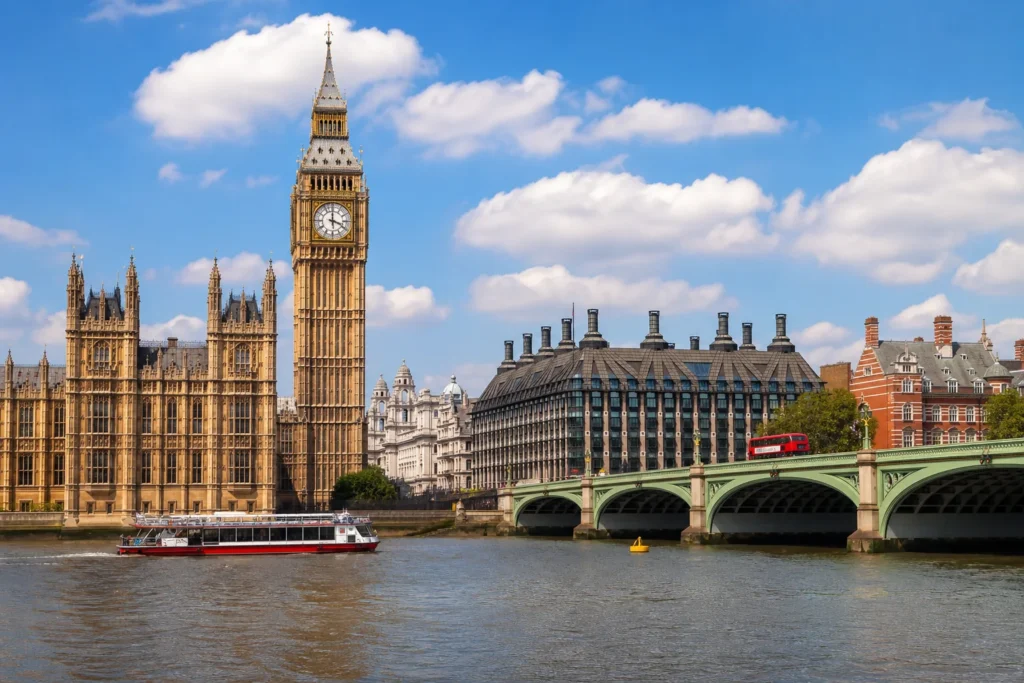
Why Visit London
For variety and depth: national museums that range from antiquities to modern art, living royal history in palaces and abbeys, and significant botanical collections alongside purpose-built contemporary galleries. London is also a performing-arts capital, from West End musicals to fringe theatre, and an accessible base for day trips to historic towns and the coast.
The city pairs landmark moments with everyday pleasures. Markets, riverside walks and public parks.
So travellers who enjoy both curated institutions and casual exploration will find much to do.
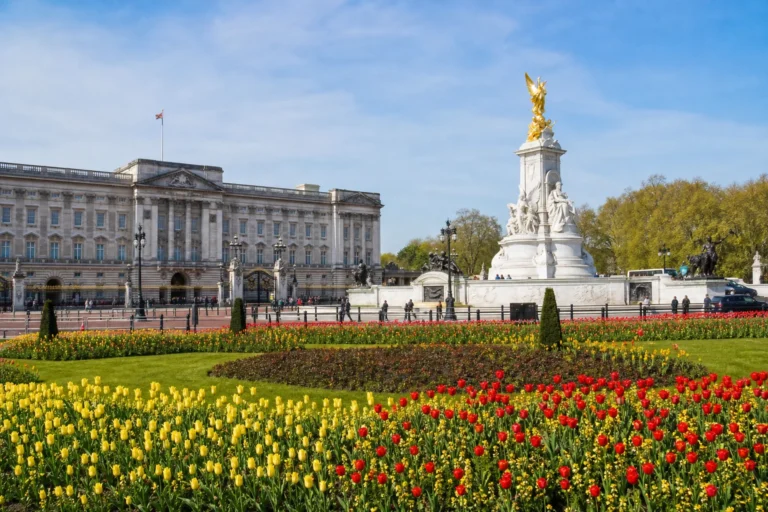
Top Things to Do in London, United Kingdom
From survey museums to royal sites, these are the essential places to plan into your London visit. Each entry below highlights what to expect and practical notes for making the most of your time.
British Museum
The British Museum presents a global survey of human material culture under one roof, from the Parthenon marbles and the Rosetta Stone to Near Eastern reliefs, African collections and East Asian ceramics.
The central Great Court—a two-acre glazed space beneath Norman Foster’s canopy—serves as both an orientation point and a comfortable place to pause between galleries.
Because the collection spans prehistoric objects to recent cultural histories, short visits normally focus on a few highlights while longer visits reward slow, thematic study. The museum runs object-led displays, curatorial trails and educational resources; some temporary exhibitions require advance tickets while much of the permanent collection is free to enter.
Tower of London (Historic Royal Palaces)
The Tower of London encapsulates nearly a thousand years of royal, military and penal history within a surviving Norman fortress. The complex includes the White Tower, medieval walls and later Tudor and Georgian additions, giving a sense of how a royal residence evolved into an armoury, mint and state prison.
The Crown Jewels are displayed within a secure exhibit that explains their ceremonial role in state occasions.
Guided Yeoman Warder (Beefeater) tours add narrative colour, while specialist displays cover armour, regalia and medieval life. Its riverside position beside the Thames makes it easy to continue with a river walk or hop to nearby piers.
National Gallery
The National Gallery concentrates Western European paintings from the thirteenth through the nineteenth centuries, placing works by masters such as Leonardo, Titian, Rembrandt and Van Gogh where visitors can compare schools and eras. Its setting around Trafalgar Square makes it an easy stop within central London itineraries.
Short visits can highlight a handful of canonical works while longer stays reward gallery-by-gallery exploration. The Gallery offers curator talks, family activities and printed trails that help visitors assemble a coherent route through many centuries of painting.
Admission to the permanent collection is free, though special exhibitions may be ticketed; consult the Gallery’s official site for accessibility notes and suggested itineraries.
Tate Modern
Tate Modern occupies a converted power station on the south bank and focuses on international modern and contemporary art. The Turbine Hall hosts large-scale installations that change the visitor’s sense of scale, while galleries cover painting, sculpture, performance and moving image across major retrospectives and commissioned contemporary work.
Bankside’s riverside position links Tate Modern to Shakespeare’s Globe and the Southbank Centre, creating a walkable cultural corridor beneath the Millennium Bridge. The museum’s raw industrial architecture—adapted into gallery sequences—helps visitors understand how public space and modern art can interact.
Access to the main collection is free, though blockbuster exhibitions frequently require advance tickets and the museum offers family programmes and viewing terraces.
Natural History Museum
Housed in an ornate Victorian building in South Kensington, the Natural History Museum combines striking architecture with large, object-rich galleries. The Hintze Hall’s vaulted ceiling creates a strong arrival moment, and displays cover palaeontology, mineralogy, biodiversity and earth sciences.
Signature objects—such as dinosaur skeletons and large mammal displays—are major draws for visitors of all ages.
The museum is family-friendly, offering tactile zones, discovery trails and themed programmes for young visitors. Temporary exhibitions sometimes require tickets, while the permanent galleries provide a durable core of the visitor offer.
For best results, combine this museum with neighbouring cultural institutions on Exhibition Road and check visitor guidance for accessibility and booking details.
Royal Botanic Gardens, Kew
Royal Botanic Gardens, Kew is a large living collection and research centre that combines historic landscape, glasshouse architecture and global plant conservation. The Temperate House, Palm House and other historic glass structures display plants from diverse climates, while grounds include woodlands, formal gardens and specialist collections such as alpine and water gardens.
Kew’s scientific programmes in seed conservation and global plant research underpin much of the interpretation for visitors. The landscape invites long walks and quiet exploration, and many visitors allocate a half- or full-day to experience the gardens’ major sights.
As a UNESCO World Heritage site, Kew frequently stages special exhibitions and seasonal displays; check official pages for ticketing and timed-entry advice.
Westminster Abbey
Westminster Abbey is both an active church and a national ceremonial space where coronations, funerals and major services have shaped British public life. Its layered architecture—Saxon and medieval foundations, a Gothic nave and largely Victorian restorations—frames royal tombs, Poets’ Corner memorials and the Coronation Chair, each bearing deep national and cultural significance.
The Abbey remains a working place of worship, so parts of the site close for services and state events; planning around advertised services is important. Special guided options, such as verger-led tours, offer narrative orientation and privileged access.
Consult the Abbey’s official visitor pages for group visits, accessibility and ticketing guidance. It sits within easy walking distance of the Houses of Parliament and riverside routes.
British Library
The British Library is the national repository for books, maps and manuscripts from the UK and around the world. Public displays gather selected treasures—illuminated manuscripts, historical maps and landmark printed works—within the Treasures gallery, offering a compact view into the Library’s research collections.
For researchers, the reading rooms provide access to specialised materials by prior registration and reading-room procedures.
The Library’s exhibitions and lecture programmes connect collections to contemporary themes, and educational resources support school groups and adult learners. Its St Pancras location links easily with professional and tourist circuits and includes cafés and study spaces for quieter, longer visits.
If you plan to consult collection items in person, check registration requirements well ahead of travel.
Best Time to Visit London
Late spring through early autumn usually offers the warmest weather and fullest park and garden displays, which suits outdoor walking and river trips. Shoulder seasons (April–May and September–October) often have milder crowds while museums, theatres and restaurants remain fully active.
Winter brings festive lights and seasonal West End shows but shorter daylight and colder weather. Prioritise indoor museum days then and choose sunnier months for gardens and open-air views.
Special events
Upcoming Events
Notting Hill Carnival
Notting Hill Carnival is Europe’s largest street festival celebrating Caribbean culture with colourful parades, steelbands, sound systems, and a rich street-food scene. It transforms the W11 neighbourhood into a vibrant public celebration showcasing elaborate masquerade bands and community-led performances that honour Afro-Caribbean heritage. Travelers should care because it’s an immersive cultural and musical experience—excellent for live music, food, and photography—but it requires advance planning for transport, safety, and accommodation due to road closures and very large crowds.
- Dates
- August 29, 2026 - August 31, 2026
- Venue
- Streets of Notting Hill and Ladbroke Grove
London Fashion Week (British Fashion Council)
London Fashion Week, organised by the British Fashion Council, is one of the world’s major fashion weeks showcasing British and international designers through catwalk shows, presentations and citywide events. It attracts buyers, press, and fashion-minded travelers seeking runway experiences, brand pop-ups and cultural programming across London’s creative neighborhoods. The week is a prime place to discover emerging designers, see established houses return to the schedule, and access seasonal retail and networking opportunities that matter to industry and style-focused visitors. ([britishfashioncouncil.co.uk](https://www.britishfashioncouncil.co.uk/BFCNEWS/5094/THE-BRITISH-FASHION-COUNCIL-ANNOUNCES-PROVISIONAL-SCHEDULE-FOR-LONDON-FASHION-WEEK-SEPTEMBER-2026?utm_source=openai))
- Dates
- September 17, 2026 - September 21, 2026
BFI London Film Festival
BFI London Film Festival is the British Film Institute’s flagship annual film festival presenting a curated programme of international and UK premieres, restored classics, special screenings, and industry events across venues in London. It attracts filmmakers, critics and film fans with gala openings, director talks, and a wide range of mainstream and arthouse titles. Travellers value it for high-profile premieres, access to Q&As and varied cinema locations across the city, making it a cultural highlight for visitors seeking contemporary global cinema and London festival experiences.
- Dates
- October 7, 2026 - October 18, 2026
- Venue
- BFI Southbank and venues across London
The Boat Race (Oxford v Cambridge)
The Boat Race is the long-standing annual rowing contest between Oxford and Cambridge universities, staged on the Tideway’s historic Championship Course between Putney and Mortlake in southwest London. It attracts large riverside crowds, official fan zones and national broadcast coverage, offering visitors multiple good viewing points, organized hospitality and a lively riverbank atmosphere. Travelers often combine the event with nearby pubs, riverside walks and easy public-transport access, making it a memorable spring sporting spectacle in London.
- Dates
- April 11, 2027
- Venue
- Championship Course (Putney to Mortlake, River Thames)
TCS London Marathon
The TCS London Marathon is a world‑class, mass‑participation marathon and one of the Abbott World Marathon Majors. It combines elite and wheelchair championship races with tens of thousands of charity and ballot runners, creating a huge spectator atmosphere across central London. The course runs along iconic landmarks and finishes on The Mall, making it a major draw for international visitors. Travelers may plan around road closures, spectator viewing points, and associated weekend events (mini marathon, fan zones, and virtual MyWay options) when visiting the city.
- Dates
- April 24, 2027 - April 25, 2027
- Venue
- Closed-route marathon course from Greenwich to Westminster (finish on The Mall)
RHS Chelsea Flower Show
The RHS Chelsea Flower Show is the world’s most famous horticultural exhibition, bringing cutting-edge garden design, award-winning show gardens, specialist plant sellers and expert talks together in a single, high-profile festival. Travelers come for unparalleled photo opportunities, seasonal plant shopping and to see leading designers and botanical trends in person. The show is also an important cultural moment for London visitors, offering curated food and hospitality experiences alongside opportunities to meet horticultural experts and discover planting ideas to take home.
- Dates
- May 18, 2027 - May 22, 2027
- Venue
- Royal Hospital Chelsea
The Championships, Wimbledon
The Championships, Wimbledon is the oldest and most famous grass-court tennis tournament, staged at the All England Lawn Tennis Club in London. Travellers come for the elite Grand Slam competition, iconic Centre Court atmosphere, and enduring British traditions such as the Queue and strawberries-and-cream. The event draws international visitors and creates high local demand for tickets, transport, and accommodation, while the club’s grounds, museum and guided tours offer year-round appeal for tennis fans and cultural travellers alike.
- Dates
- June 28, 2027 - July 11, 2027
- Venue
- All England Lawn Tennis Club (Church Road)
Getting Around London
London’s integrated public-transport system—Underground, buses, Overground, DLR and commuter rail—covers central and suburban areas. Contactless bank cards and Oyster pay-as-you-go are the normal fare methods.
Santander Cycles provide dense docking for short trips in central neighbourhoods, and river services offer a scenic alternative along the Thames for certain routes. Walking links many central attractions, and interchange stations make multi-site days practical.
Allow extra time for rush-hour travel and check service updates before longer journeys.
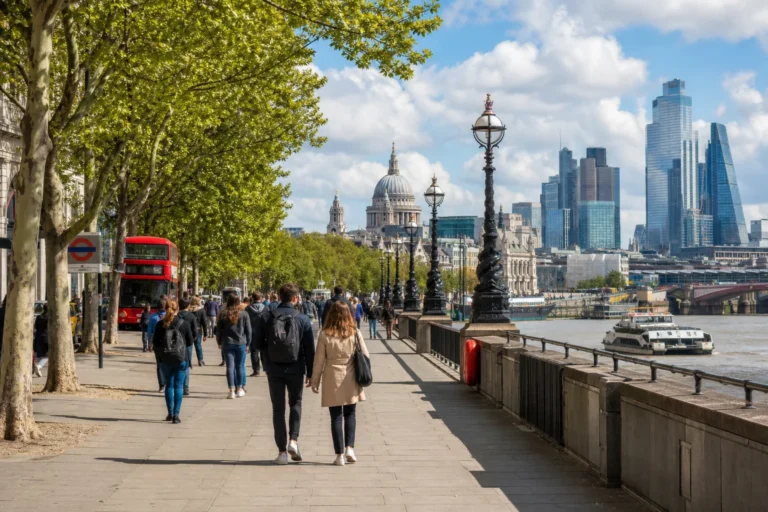
Location
Map of London, United Kingdom
The interactive map loads only when you choose to view it.
Plan Your Visit to London
Major airports (Heathrow, Gatwick, City, Stansted and Luton) connect to the city by rail, coach and express services. Surface travel times vary with traffic and time of day.
Choose a neighbourhood that suits your itinerary—Bloomsbury and South Kensington for museums, the West End for theatre, Bankside/Southbank for riverside attractions.
Many top museums have free permanent collections but temporary exhibitions and some palace tours require advance booking; check official attraction websites before you go. Bring a UK Type G plug adapter and a contactless payment card, and verify visa and health guidance before travel.
Local Tips for London
Book major attractions, guided palace or abbey tours, and popular West End shows in advance to avoid long queues or sold-out performances. Carry a small, secure day bag and consider extra security in very crowded areas.
Eat like a local by trying markets such as Borough, Maltby Street and Camden and neighbourhood cafés rather than only tourist precincts. Use official ticket outlets or venue box offices for theatre bookings; avoid street touts.
If you plan to cycle, use the Santander Cycles app to find bikes and docking stations and follow city cycling guidance.
Live conditions
Current Weather

Updated 2026-08-24 01:15
- Feels like
- 15°C / 59°F
- Today’s high / low
- 21°C / 71°F · 15°C / 59°F
- Humidity
- 67%
- Wind
- → 9 km/h
- Precipitation
- 0 mm
- Chance of rain
- 8%
- Local time
- 2026-08-24 01:33
Places to Visit Near London
Greenwich is a short river or rail journey away and offers the Royal Observatory, the Cutty Sark and maritime museums set in a riverside park.
Windsor — West of London, Windsor’s castle—an official royal residence—and its historic town centre make a straightforward day trip by rail.
Oxford — England’s university city of colleges, museums and cobbled streets is reachable by regular train services from central London.
Cambridge — Another classic university city, Cambridge is known for college architecture and punting on the river. Regional trains connect it to London in a similar time to Oxford.
Brighton — A lively seaside town on the south coast, Brighton is accessible by direct trains from London for a day at the beach and the pier.
Safety
Follow official policing guidance: be aware of pickpockets in crowded tourist areas and on public transport, keep valuables secure and avoid isolated streets at night when possible. Report emergencies by calling 999 or 112; use 101 for non-urgent police reports.
Choose licensed taxis (black cabs) or booked private-hire services and decline offers from unmarked drivers. When using ATMs, shield your PIN and use machines in well-lit or staffed locations.