
Travel Guide
Plan your visit around Haleakalā National Park, Road to Hāna, and more of Maui, Hawaii.
Discover the best things to do in Maui, Hawaii, from signature sights to memorable local experiences.
This island concentrates dramatic volcano summits, rainforest coasts, historic towns, and marine reserves into short distances. From Haleakalā’s summit light to the rainforest of the Road to Hāna, Maui’s seven core highlights showcase endemic ecosystems, living cultural places, and reef conservation.
Expect variable microclimates across short drives and plan to move slowly through protected areas.
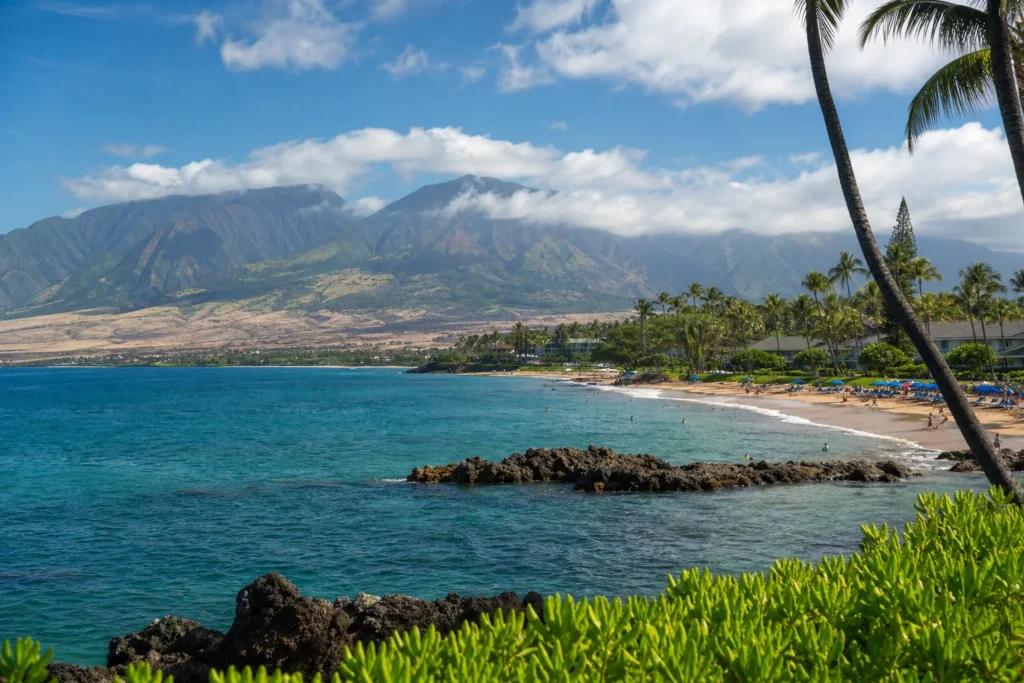
Why Visit Maui
Maui offers a concentrated mix of Hawaiian landscapes and cultural experiences: summit crater vistas and stargazing at Haleakalā. Rainforest corridors, waterfalls, and cultural gardens along the Road to Hāna.
And the steep, verdant ʻĪao Valley.
Lahaina preserves kingdom‑era and missionary history in a compact waterfront town, while Kāʻanapali’s beaches and Puʻu Kekaʻa (Black Rock) combine sand, snorkeling, and cultural meaning. Offshore, Molokini’s protected reef and the Maui Ocean Center’s aquarium interpret local marine biodiversity, and Upcountry Maui adds ranching, farms, and elevated viewpoints.
Top Things to Do in Maui, Hawaii
Maui’s essential experiences stretch across distinct regions—summit, windward rainforest, leeward beaches, and offshore reefs. Below are the island highlights and what to expect from each.
Haleakalā National Park
Haleakalā National Park centers on a high volcanic summit and a long coastal valley, split into distinct districts: the high‑elevation summit with cinder fields and alpine shrubland, and the wet Kīpahulu coastline with rainforest, streams, and waterfalls. Many visitors go for the crater floor vistas, dramatic dawn and dusk light, and renowned stargazing.
The summit hosts rare native plants such as the silversword and fragile alpine shrublands; lower slopes support ʻōhiʻa lehua forests. The park is culturally significant and interpreters explain volcanic history and Hawaiian connections.
Weather can swing from freezing winds to strong sun—verify access rules, reservation needs, and seasonal trail conditions before you go.
Road to Hāna (Hana Highway and Hāna town)
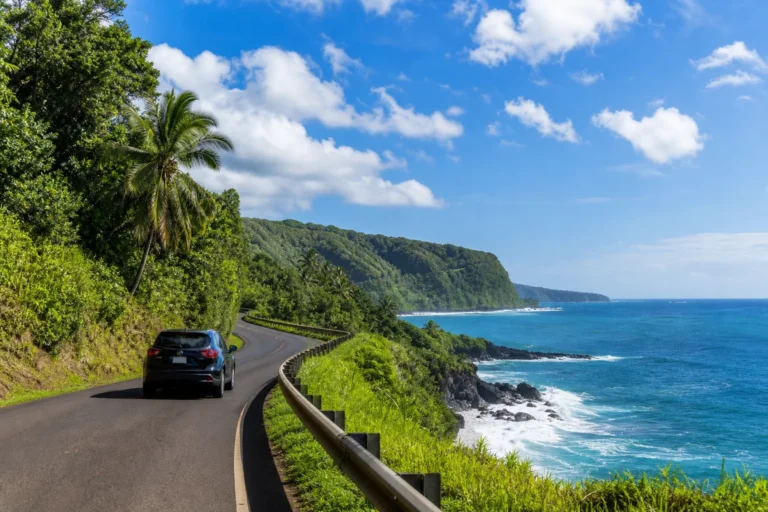
The Road to Hāna is a scenic coastal drive and cultural corridor along Maui’s northeastern shore, known for narrow winding pavement, rainforest canopies, waterfalls beside the road, and many small pullouts. The route threads through lived‑in neighborhoods and important cultural places, with contrasting shorelines and roadside waysides for short walks.
Hāna town is intentionally quiet, with small shops, a historic church, local eateries, and nearby cultural sites such as Kahanu Garden and the Piʻilanihale Heiau.
Many visitors slow down with overnight stays or guided tours; the highway’s narrow shoulders, one‑lane bridges, and limited cell service mean drivers should use designated pullouts, respect residents, and confirm current road conditions before traveling.
Official Road to Hāna (Hana Highway and Hāna town) website →
ʻĪao Valley State Monument
ʻĪao Valley State Monument occupies a steep, rain‑drenched amphitheater on West Maui and is best known for the vegetation‑clad basalt spire called the ʻĪao Needle (Kūkaemoku), which rises roughly 1,200 feet from the valley floor.
Visitors commonly follow a short paved loop and ethnobotanical path beside Iao Stream to framed viewpoints and interpretive gardens highlighting native plants and traditional uses.
The valley holds strong cultural memory—site panels recount events such as the 1790 Battle of Kepaniwai—and visitors are asked to treat the area with respect. Trails can be slippery and parking is limited, so check state‑park guidance and stay on marked paths while visiting.
Lahaina Historic District
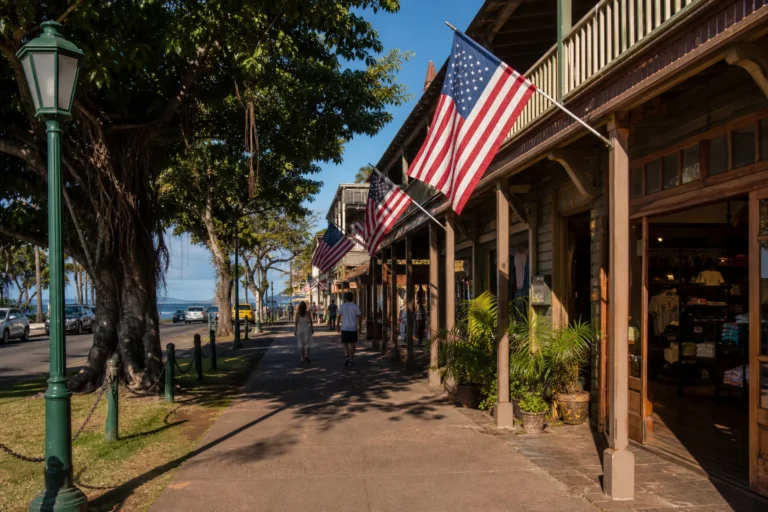
The Lahaina Historic District is Lāhainā’s old town core and a National Historic Landmark that preserves traces of ancient habitation, kingdom‑era royal residences, nineteenth‑century whaling commerce, and later plantation‑era settlement.
Walking Front Street and the harbor gives a concentrated sense of those eras; Courthouse Square’s banyan tree (planted 1873) is a central meeting place and the Old Lahaina Courthouse hosts interpretive exhibits.
The district’s streetscapes reflect Hawaiian chiefly lineages, whaling‑era activity, and immigrant communities. Recent events have altered the physical fabric and many sites are undergoing recovery—verify what’s open before you visit and move respectfully through interpretive sites and waterfront streets.
Kāʻanapali Beach (including Puʻu Kekaʻa / Black Rock)
Kāʻanapali Beach is a broad leeward shoreline with long white sand, a paved beach promenade, and small coves that connect resort fronts and public access points.
The northern lava promontory, Puʻu Kekaʻa (Black Rock), shapes local currents and reef habitat and is regarded as a culturally significant leina with traditions tied to chiefs and ceremonial practices.
The nearshore waters by Black Rock are among the better shore‑entry snorkel areas on the Kāʻanapali coast when seas are calm, with reef fishes and clear visibility. Strong currents, surge, and sharp lava can occur; use designated access points, heed lifeguards and posted warnings, and approach the rock respectfully while observing interpretive signs.
Official Kāʻanapali Beach (including Puʻu Kekaʻa / Black Rock) website →
Molokini Crater (snorkeling/mooring area)
Molokini is a crescent‑shaped, partially submerged volcanic crater a few miles off Maui’s southwest shore whose concave interior creates a sheltered cove favored for snorkeling. The islet’s clear water and reef patches produce unusually good visibility and vibrant reef life compared with many nearby areas.
Molokini Shoal is managed as a Marine Life Conservation District with zoned moorings and a permit system to reduce anchor damage; access is by boat only. Visitors commonly snorkel the shallow interior reef gardens while scuba divers use the steeper outer walls.
Verify current mooring rules and permit requirements and follow operator briefings to protect the reef.
Official Molokini Crater (snorkeling/mooring area) website →
Maui Ocean Center (Aquarium of Hawaiʻi)
Maui Ocean Center at Māʻalaea Harbor presents Hawaiian marine life through sequential habitats—from rocky shore displays and a living‑reef gallery to a mid‑reef exhibit of native fishes and a large open‑ocean tank with a walk‑through tunnel. A Sphere presentation explores humpback whales and seasonal connections to local waters.
The center emphasizes conservation and hands‑on learning: staff operate a coral nursery and a Marine Institute that supports rescue, rehabilitation, and monitoring programs. Visitors can attend interpretive talks and tidepool interactions; plan at least a half‑day and check the aquarium’s site for special programs or reservation needs.
Upcountry Maui (Kula / Makawao / paniolo ranches)
Upcountry Maui includes Kula, Makawao, and the ranching lands on Haleakalā’s lower slopes, offering cooler elevations, rolling pastures, and panoramic views. The area is shaped by paniolo (Hawaiian cowboy) culture and large family ranches that maintain cattle operations and open space; Makawao retains paniolo traditions through rodeos and community events.
Upcountry is also agricultural and artisanal—Kula Botanical Garden, Aliʻi Kula Lavender, Surfing Goat Dairy, and Ulupalakua winery illustrate how elevation and volcanic soils shape local crops and tasting experiences. Roads are winding and weather changes quickly; many farms require reservations for tours or tastings and some lands are private working operations.
Best Time to Visit Maui
Maui’s weather depends on slope and elevation: leeward west and southwest coasts are warmer and drier, while windward valleys and Haleakalā’s upper slopes are cooler and wetter. For sunny beach days and calmer seas for snorkeling, late spring through early fall often brings more stable conditions; shoulder seasons reduce crowds.
Expect cold, windy summit conditions at Haleakalā year‑round and increased storminess on windward coasts in winter. Build multi‑day plans to accommodate weather‑driven closures and variable surf.
Getting Around Maui
Renting a car is the most practical way to explore beyond central resort zones because attractions are dispersed and some routes require flexible timing and frequent stops. West Maui and central Kahului have limited bus service; taxis and ride‑hail operate in populated areas.
Many marine trips depart from specific harbors and need advance booking with permitted operators. Allow extra time for narrow coastal roads, one‑lane sections, and slower local traffic, and always follow posted signs and permit rules near parks and marine areas.
Location
Map of Maui, Hawaii, United States
The interactive map loads only when you choose to view it.
Plan Your Visit to Maui
Don’t try to “see Maui” in a single day. Plan by region: West Maui (Lāhainā, Kāʻanapali), Central/Upcountry (Kula, Makawao), East Maui (Hāna Highway and Hāna town), and Haleakalā summit.
Give full mornings or days to long activities like Haleakalā sunrise visits, the Road to Hāna, or Molokini snorkeling because of driving, weather windows, and staging or permit requirements. Check official park and state sites for access rules, reservations, and permits before you go, and book commercial marine or aquarium visits in advance.
Local Tips for Maui
Follow state park guidelines, stay on marked trails in ʻĪao Valley and Haleakalā, and observe marine‑managed area rules around Molokini. Drive the Road to Hāna with patience—expect narrow, winding one‑lane bridges and limited services; pack water, snacks, and a full tank.
In Lāhainā, prioritize cultural sites and small local businesses and verify current access and restoration work. At Kāʻanapali, use public beach access points and treat Puʻu Kekaʻa (Black Rock) as a culturally significant place while snorkeling or attending ceremonies.
Live conditions
Current Weather

Updated 2026-11-05 05:30
- Feels like
- 67°F / 20°C
- Today’s high / low
- 73°F / 23°C · 67°F / 20°C
- Humidity
- 91%
- Wind
- → 12 mph
- Precipitation
- 0.01 in
- Chance of rain
- 64%
- Local time
- 2026-11-05 05:36
Safety on Maui
Maui’s primary hazards are landscape and weather related: cold, windy summit conditions and thin air at Haleakalā; flash flooding and rockfall on the Road to Hāna; strong currents, surge, and reef hazards at ocean sites; and wildfire risk in dry leeward areas.
For marine activities, use licensed operators who follow state marine‑managed area rules and permit systems. Carry water, layered clothing, sun protection, and reliable directions, and check official park, county, and state alerts for closures or advisories before entering remote areas.