
Travel Guide
Plan your visit around Old Tbilisi, Narikala Fortress, and more of Tbilisi, Georgia.
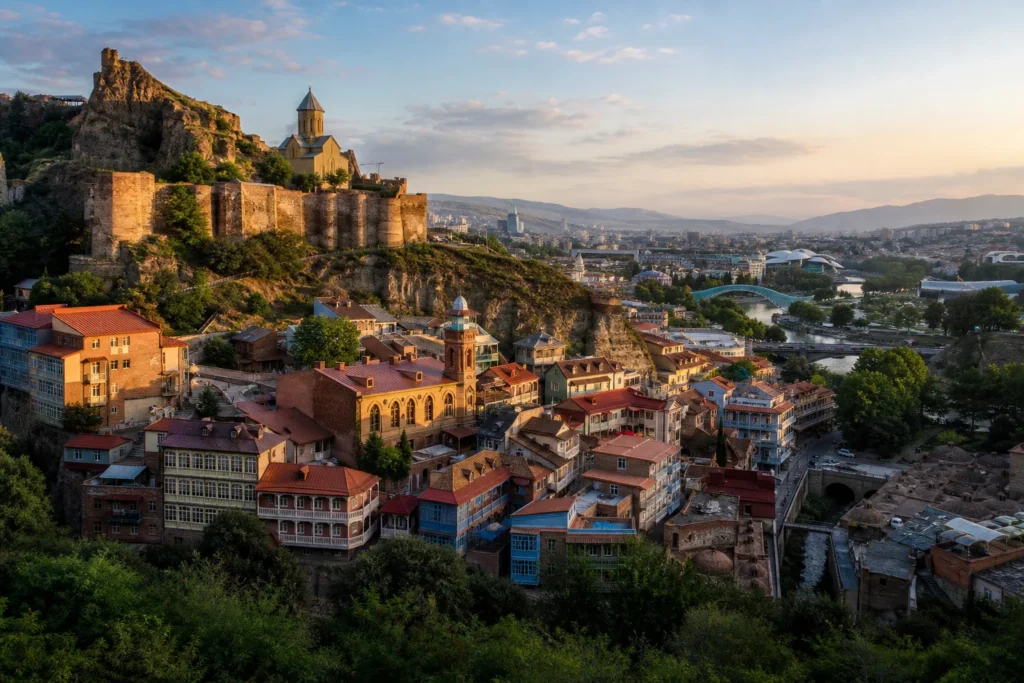
Things to do in Tbilisi are concentrated in a compact historic core where Old Tbilisi’s winding lanes, sulphur baths and hilltop viewpoints meet wide avenues and contemporary riverfront landmarks.
Why Visit Tbilisi
Visit Tbilisi for a concentrated mix of history, architecture and contemporary cultural life: atmospheric Old Town alleys and bathhouses, commanding fortress viewpoints, grand 19th‑century boulevards, and a surging restaurant and wine scene rooted in millennia‑old viticultural traditions.
The city is an accessible gateway to nearby Kakheti vineyards and mountain routes, and its compact size, approachable public transport, and tourism infrastructure make it ideal for efficient city breaks and longer regional trips. For indoor visits, check attraction websites for closures or relocated programming before planning.
Top Things to Do in Tbilisi, Georgia
Tbilisi’s highlights cluster in a compact walkable core where historic lanes meet grand boulevards and modern riverfront interventions—ideal for multi-day cultural and food-focused stays.
Old Tbilisi (Historic District)
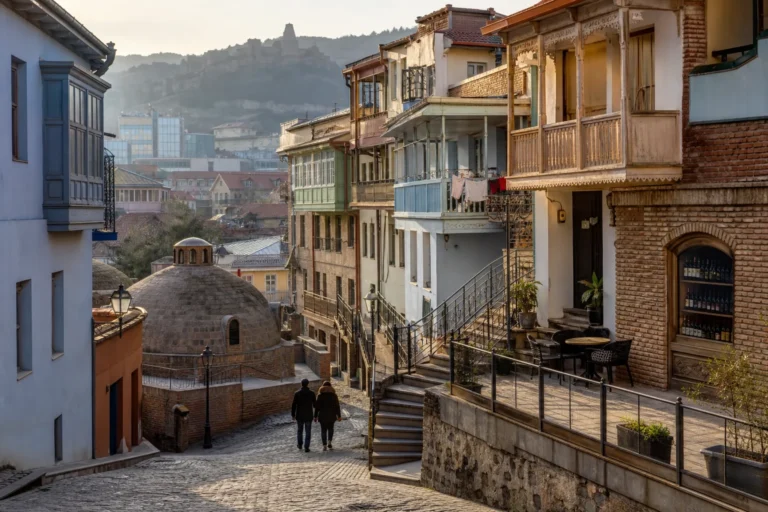
Old Tbilisi is the city’s compact historic heart: narrow cobbled lanes, wooden balconies, eastern‑style bath domes and a dense cluster of churches, small museums, theatres and craft shops. Walking the district reveals pocketed viewpoints, café streets and sites such as the Bath District, Anchiskhati and Sioni churches.
The area is best explored on foot; individual monuments and bathhouses have separate access rules and occasional conservation closures, so check official pages before planning indoor visits.
Narikala Fortress
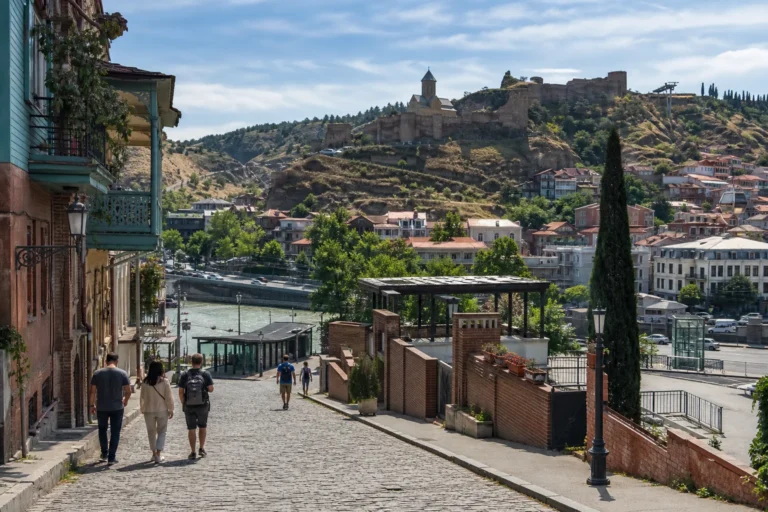
Narikala Fortress crowns the hill above Old Tbilisi and offers panoramic views across the Mtkvari River and the city skyline. Visitors reach the ridge on a steep walk from the bath district or by cable car from Rike Park; the site features open ramparts and viewpoints rather than a large indoor museum.
Verify cable‑car status and any restricted routes before visiting, since maintenance or weather can affect access.
Rustaveli Avenue (central avenue)
Rustaveli Avenue is Tbilisi’s principal 19th‑century boulevard and cultural spine, lined with theatres, museums, the Georgian National Museum, and grand public institutions. A walk along Rustaveli gives a compact cultural itinerary with easy indoor stops for museums and performances.
Note that institutions on the avenue have separate ticketing and opening rules, and the street is commonly used for demonstrations and national ceremonies that can cause temporary closures.
Sameba (Holy Trinity) Cathedral
Sameba (Holy Trinity) Cathedral is Georgia’s largest modern cathedral, sited on a central hill with monumental domes and richly decorated interiors. The landscaped complex is both an active place of worship and a key skyline landmark; visitors commonly view the exterior massing, enter the nave and chapels, and observe liturgical activity.
Respectful dress and behaviour are required and some interior areas may be restricted during services or special events—check visitor rules in advance.
Abanotubani Sulphur Baths (Old Baths district)
Abanotubani is Tbilisi’s historic sulphur‑bath quarter built over natural hot springs, identified by low domed bathhouses and a sensory steam‑filled atmosphere. Visitors can choose simple public soaks, private suites, and traditional kisa scrubs or massages; many bathhouses recommend advance booking for private rooms and post health‑and‑safety notices for certain conditions.
Because bathhouses are independently operated, check the individual operator’s information before planning an indoor visit.
Official Abanotubani Sulphur Baths (Old Baths district) website →
Metekhi Church and Park
Metekhi Church and Park occupy a rocky promontory above the Mtkvari River, featuring the Holy Virgin Mary church, the equestrian statue of King Vakhtang and broad river views. The compact ensemble is a classic Old Tbilisi viewpoint and a short cultural stop often combined with Narikala or a riverside walk.
Modest dress and respectful behaviour are expected for interior access, and services or events can temporarily limit entry.
Bridge of Peace (pedestrian glass bridge)
The Bridge of Peace is a contemporary glass‑and‑steel pedestrian span connecting Old Tbilisi with Rike Park. Noted for its curving form and programmable LED lighting, the bridge provides an unobstructed riverside promenade and photographic views of Narikala and the Bath District.
It is normally open to the public without admission but can be busy at peak times and subject to occasional maintenance or event restrictions.
Official Bridge of Peace (pedestrian glass bridge) website →
Tbilisi Botanical Garden
The Tbilisi Botanical Garden (National Botanical Garden of Georgia) occupies a terraced amphitheatre beneath Narikala with historic plant collections, terraces, waterfalls and scenic paths. Visitors follow paths and stairways through themed collections and shaded arboreta with views toward the fortress and river—suitable for relaxed walks, picnics and photography.
Some areas may be restricted for horticultural research or conservation work, so check entry requirements and any temporary closures before visiting.
Best Time to Visit Tbilisi
The most comfortable windows are late spring (May. June) and early autumn (September.
October): warm days without midsummer heat and a calendar rich with harvest‑season activity and city festivals. Midsummer offers best mountain access but hotter city weather; late autumn and winter are quieter with lower prices.
Verify festival and holiday dates before booking to avoid unexpected closures.
Getting Around Tbilisi
Central Tbilisi—Old Tbilisi, Rustaveli and the civic core—is best explored on foot. For longer trips use the metro, the municipal bus network, or municipal taxis and ride‑hailing apps.
Cable cars and funiculars connect hilltop attractions such as Narikala and Mtatsminda. Driving is possible but central streets can be congested and pedestrian routes narrow; for first‑time visitors public transit, walking, and short taxi rides are usually most efficient.
Location
Map of Tbilisi, Georgia
The interactive map loads only when you choose to view it.
Plan Your Visit to Tbilisi
Tbilisi International Airport links to the city by taxi and occasional shuttles; confirm current airport transfer options before travel. The central districts are walkable but steep in places—comfortable shoes help.
Public transport includes metro lines, buses, and minibuses (marshrutka); ride‑hailing apps and municipal taxis are inexpensive (use the app or official taxis when possible). Major visitor sites may have separate ticketing, opening hours, or conservation works, so check official attraction pages or tourist‑information counters for seasonal service changes, guided tours, and multi‑site passes.
Local Tips for Tbilisi
Plan days by neighbourhood—Old Tbilisi, Rustaveli Avenue and the riverside concentrate most central attractions. Carry some cash (Georgian lari) for markets, baths and smaller cafés, though cards are widely accepted.
Use the Tourist Information Centre at Tbilisi Airport or GNTA counters in the city for maps and official brochures. Book popular Abanotubani bathhouses in advance and consider midweek visits to avoid weekend queues.
Live conditions
Current Weather

Updated 2026-09-22 02:15
- Feels like
- 16°C / 61°F
- Today’s high / low
- 25°C / 78°F · 14°C / 57°F
- Humidity
- 79%
- Wind
- ↖ 9 km/h
- Precipitation
- 0.19 mm
- Chance of rain
- 57%
- Local time
- 2026-09-22 02:27
Safety
Tbilisi is generally safe for visitors, but use ordinary urban caution: petty theft and pickpocketing occur, especially in crowded spots and on public transit. Political demonstrations and road disruptions can happen in central areas—monitor local news and avoid protest zones.
Do not attempt to enter Abkhazia or South Ossetia; many governments advise against travel there. Record emergency numbers and your embassy contact before arrival.