
Travel Guide
Plan your visit around The Bund, Yuyuan Garden, and more of Shanghai, China.
Discover the best things to do in Shanghai, China, from signature sights to memorable local experiences.
China’s largest city blends historic riverfront districts with futuristic skyscrapers along the Huangpu River.
The core neighborhoods include the colonial-era Bund, the tree-lined former French Concession, museum-rich People’s Square, and the Lujiazui high-rise cluster in Pudong.
Shanghai pairs classical gardens and water towns with contemporary museums, shopping streets and large leisure destinations, and its dense transport network. Two airports, an extensive metro, high-speed rail and ferries.
Makes it a practical base for exploring the Yangtze Delta.

Why Visit Shanghai
Visitors come to Shanghai to experience dramatic contrasts: colonial avenues and Art Deco facades beside neon-lit towers and ambitious contemporary architecture. Cultural draws range from classical Jiangnan gardens, historic water towns and world-class museums to contemporary galleries, performing-arts venues and a dynamic food scene that spans street snacks to fine dining.
Iconic viewpoints on the Bund and across Lujiazui showcase the city’s layered skyline, while Shanghai Disney Resort and nearby attractions offer family-oriented multi-day options. Ample shopping streets, nightlife, and easy regional connections make Shanghai versatile for short urban breaks or longer cultural itineraries.
Top Things to Do in Shanghai, China
Shanghai’s highlights concentrate along the Huangpu River and in preserved historic districts; below are the city’s signature attractions and neighborhoods to plan into your itinerary.
The Bund (Waitan)
The Bund (Waitan) is Shanghai’s riverside promenade along the Huangpu River, defined by a continuous row of colonial‑era buildings in Baroque, Gothic, Neoclassical and Art Deco styles.
A walk along the paved embankment pairs close‑up architectural details with sweeping views across the river to Lujiazui’s modern skyline; photographers often use the contrast between masonry façades and glass towers as a dramatic foreground and background.
The promenade includes plazas, memorials and vantage points where river traffic and sightseeing boats animate the scene. Many historic buildings now house museums, hotels, restaurants and banks, so a visit can combine outdoor viewing with interior stops.
Yuyuan Garden (Yu Garden)
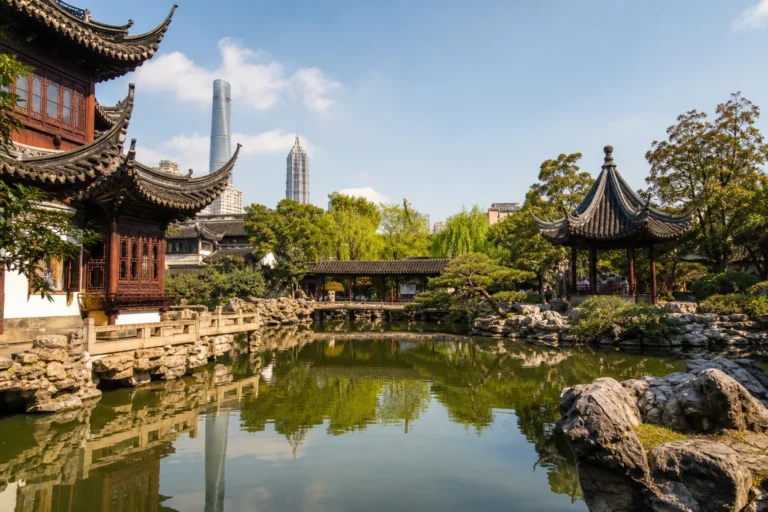
Yuyuan Garden (Yu Garden) is a compact Ming‑dynasty private garden in Shanghai’s old city, composed of pavilions, covered corridors, rockeries, ponds and courtyards arranged to evoke natural scenery within a small footprint.
Visitors enter through tiled gateways into a sequence of named scenes—halls with carved eaves, the Nine‑Turn Bridge, lotus pools and intricately stacked rock formations—each feature holding aesthetic and symbolic meaning tied to classical poetry and scholarly life.
The garden sits beside the lively Yuyuan Bazaar and pedestrian lanes where teahouses and historic eateries create a dense atmosphere. Its compact scale rewards slow movement and close looking; for a quieter visit, aim for early morning or a weekday, and confirm ticketing or access rules on official channels before you go.
Shanghai Museum (People's Square)
Shanghai Museum, on People’s Square, is the city’s premier museum of ancient Chinese art and material culture. Housed in a landmark circular building designed to echo an ancient bronze vessel, the museum presents a systematic, chronological display of bronzes, ceramics, painting, calligraphy and furniture that traces continuity across millennia rather than isolated highlights.
The collection is extensive and arranged by material and theme, allowing visitors to move from early bronzes to ceramics and then to painting and calligraphy. Audio guides are available in multiple languages and galleries provide contextual labels.
The museum sits beside Nanjing Road and other cultural institutions; because exhibitions and schedules change, check official channels for current shows and guided tours.
Oriental Pearl Tower (Lujiazui)
The Oriental Pearl Tower in Lujiazui is a distinctive broadcast tower composed of a string of spheres and layered viewing platforms that frame views across the Huangpu River to the Bund.
Visitors can use multiple enclosed observation spheres, a higher “space module” viewpoint and a lower outdoor corridor for sweeping panoramas; a transparent skywalk and high windows convey a strong sense of vertical distance.
The tower’s lower public areas host exhibitions—including displays on Shanghai’s urban development—restaurants and event spaces, making it a mixed‑use entertainment complex as well as a viewpoint. It is easily reached from nearby metro stations; check official sources for current exhibitions, special viewing experiences and visitor services before going.
Shanghai Tower (Lujiazui)
Shanghai Tower is a supertall mixed‑use skyscraper in Lujiazui with a spiralling glass façade and a double‑skin envelope that separates interior spaces. The building combines retail and cultural spaces at its base, offices, a luxury hotel and public observation areas near the top.
Fast elevators and sky lobbies create a processioned visitor experience culminating in panoramic observation decks that overlook the Huangpu River and the neighboring skyline.
The tower also incorporates engineering and sustainability measures—stacked setbacks reduce wind loads and create sky gardens that punctuate the form. Some interior areas and observation platforms are ticketed and services change, so verify current visitor offerings and accessibility on official information before visiting.
Nanjing Road Pedestrian Street
Nanjing Road Pedestrian Street is Shanghai’s historic commercial spine connecting People’s Square and the Bund. The pedestrianised section concentrates historic department stores, modern malls and dense shopfronts along a wide paved corridor, offering a compact view of the city’s commercial evolution from early 20th‑century retail to today’s international brands and LED façades.
The street functions as a social and civic stage as much as a shopping address: neon signs and clustered storefronts create a layered spectacle after dark while daytime crowds show commuters, families and tourists moving through varied retail experiences.
The pedestrian zone is metro‑accessible and easy to combine with nearby cultural sites; check city or tourism sources for temporary events or promotions.
Shanghai Disney Resort
Shanghai Disney Resort is a large integrated entertainment complex that includes Shanghai Disneyland, themed hotels, a retail and dining district (Disneytown) and landscaped public spaces. The park presents immersive lands, major attractions, parades and character experiences adapted to local tastes, designed for family audiences and offering both spectacle and immersive architecture.
The resort is organized for single‑day or multi‑day visits with timed‑entry and queueing systems managed via an official mobile app; on‑site hotels extend the resort experience. Operational details, ticket types and seasonal shows change frequently, so confirm tickets, reservation rules and event schedules on the resort’s official channels before planning your visit.
Zhujiajiao Ancient Town
Zhujiajiao Ancient Town is a well‑preserved Jiangnan water town on Shanghai’s western edge, characterized by canals, stone bridges and a compact historic street network.
The town features narrow lanes and waterways, arched stone bridges such as the five‑arch Fangsheng Bridge, merchant houses and small private gardens like Kezhi Garden that illustrate traditional domestic architecture and mercantile heritage.
Boats offer short rides along active quays lined with cafés, shops and teahouses. Walking the town rewards a slow pace and attention to bridgescapes and small museums that preserve local crafts and food traditions.
Seasonal crowding and evolving visitor services are common, so verify arrangements on official local tourism pages before visiting.
Best Time to Visit Shanghai
Shanghai has a humid subtropical climate with four distinct seasons. Spring (April–June) warms up with flowering parks but occasional rain; late spring is comfortable for walking.
Autumn (September–November) is the most pleasant: cooler, generally dry weather and clearer skies—ideal for sightseeing and garden visits. Summers are hot, humid and prone to heavy rain; winters are cool and damp with occasional cold snaps.
Pack layered clothing and check forecasts before you travel.
SPECIAL EVENTS IN Shanghai
Shanghai Tourism Festival
Shanghai Tourism Festival is the city's annual multi-week tourism and cultural celebration organized by the Shanghai Municipal Culture and Tourism Bureau. It programs parades, museum exhibitions, concerts, themed weeks, and citywide promotions that showcase Shanghai's heritage, food, shopping, and nightlife. Travelers benefit from special passes, curated routes, seasonal exhibitions and family-friendly activities that make it a convenient time to experience diverse cultural venues and limited-time events across districts; it's especially useful for planning museum visits, themed tours, and local culinary experiences.
- Dates
- July 8, 2026 - October 6, 2026
China International Import Expo (CIIE)
The China International Import Expo is a national-level, import-focused trade fair that draws government delegations, multinational exhibitors, and global buyers. Held at a major Shanghai exhibition center, CIIE showcases thousands of products across food, automotive, technology, medical, consumer goods and services, and includes industry forums and matchmaking services. Travelers and business visitors attend for sourcing, networking, and market-entry opportunities; the scale and official host partners make it a key event for procurement, investment promotion, and international trade engagement in China.
- Dates
- November 5, 2026 - November 10, 2026
- Venue
- National Exhibition and Convention Center (Shanghai)
Getting Around Shanghai
Shanghai’s metro is the fastest way to navigate central districts and connects to major rail stations and both airports; many tourist sites are one or two stops from People’s Square. Surface buses, river ferries and taxis fill gaps, and ride‑hailing apps are widely used.
Intercity high‑speed rail from Hongqiao links nearby Yangtze Delta cities. For short neighborhood exploration, walking and bicycle or e‑bike sharing work well in flatter areas like the Bund and French Concession.
Allow extra time for peak‑hour traffic and airport transfers.

Location
Map of Shanghai, China
The interactive map loads only when you choose to view it.
Plan Your Visit to Shanghai
Plan visits by neighbourhood and use the metro as your backbone. People’s Square, the Bund and Nanjing Road cluster in central Puxi.
Lujiazui (Oriental Pearl, Shanghai Tower) sits across the Huangpu in Pudong and is fastest reached by Metro Line 2 or a short taxi or ferry.
Use a Shanghai Public Transportation Card or link an international contactless card/mobile transport QR for seamless transfers across metro, buses and ferries. Group nearby stops—Bund, Yuyuan Garden, Nanjing Road—into a single day when possible and allow extra time for busy transfers.
Local Tips for Shanghai
Carry a transport-ready payment method: a topped-up Shanghai Public Transportation Card, mobile payment app (Alipay/WeChat) or international contactless card for tap‑to‑ride. In metro stations stand to the right on escalators, wait behind the yellow line, and follow bilingual signage.
For Bund and Lujiazui skyline views, visit early morning or after sunset to avoid crowds. Use official river ferries or marked pedestrian crossings for photos.
Keep an offline map and your hotel name in Chinese for drivers; some older staff and drivers have limited English.
Live conditions
Current Weather

Updated 2026-09-21 05:15
- Feels like
- 23°C / 73°F
- Today’s high / low
- 28°C / 83°F · 21°C / 71°F
- Humidity
- 82%
- Wind
- ↑ 8 km/h
- Precipitation
- 0 mm
- Chance of rain
- 17%
- Local time
- 2026-09-21 05:32
Safety in Shanghai
Shanghai is generally safe; use normal urban precautions. Save local emergency numbers (police 110, ambulance 120, fire 119) and the city public‑service hotline.
Watch crowded platforms and busy pedestrian streets—pickpocketing risk rises in dense tourist areas and on packed transit. Many visitors prefer bottled or filtered water.
Carry ID (a passport copy and local contact info) and contact your consulate and local police if you lose documents or become ill. Follow official instructions during extreme weather or air‑quality alerts.