
Travel Guide
Plan your visit around Ohori Park, Maizuru Park, and more of Fukuoka, Japan.
Things to do in Fukuoka include lakeside strolls at Ohori Park, exploring castle ruins at Maizuru Park, skyline views from Fukuoka Tower, and sampling yatai along Nakasu. Most highlights sit close enough for short transit hops or pleasant walks.
Why Visit Fukuoka
Visit Fukuoka for a compact, walkable city where leafy parks and historic castle ruins meet a modern seaside skyline. The city combines broad shopping choices—from Tenjin’s department stores to Canal City Hakata—with accessible cultural sites such as Kushida Shrine and the Hakata Machiya Folk Museum.
Fukuoka’s food culture, visible in ramen, seafood, and yatai street stalls, is central to the experience. Efficient transport and mild seasonal windows make the city an excellent base for exploring Kyushu.
Top Things to Do in Fukuoka, Japan
Fukuoka’s highlights cluster close together, making it easy to pair parks, cultural sites, waterfront vistas, and lively dining into short, efficient days.
Ohori Park
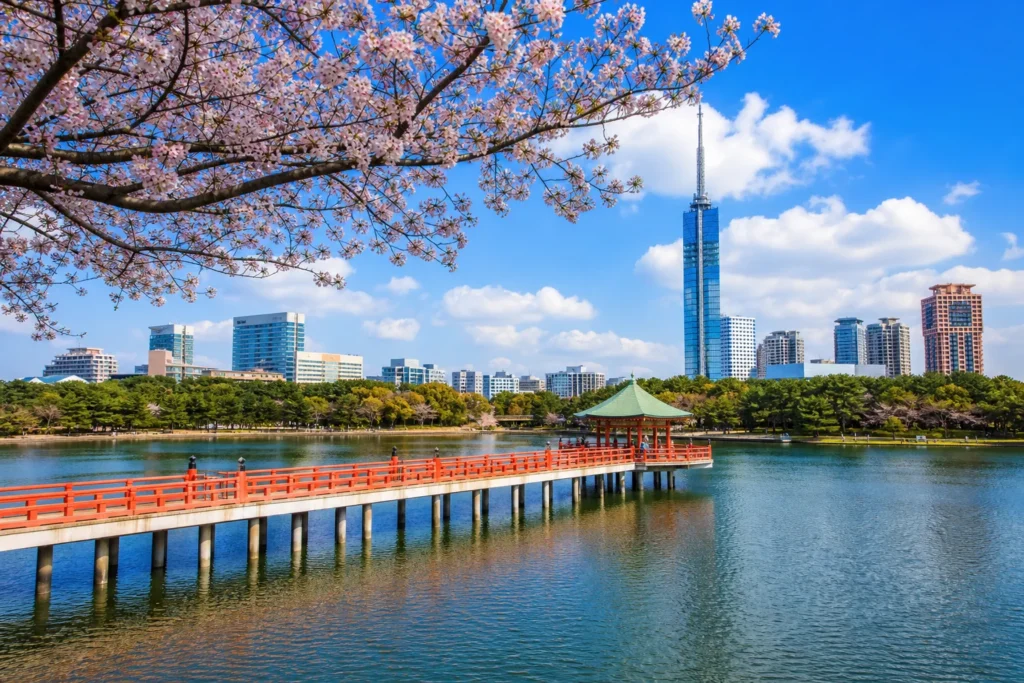
Ohori Park is a calm, water-centered urban green with a broad, nearly circular pond and an almost two-kilometre promenade used by walkers, joggers, and casual cyclists. The park combines planted islands, a restored floating-view pavilion, and a Japanese strolling garden that create a layered landscape.
The Fukuoka Art Museum and a Noh theatre sit on the park’s southern edge, forming a cultural cluster that easily extends a walk into museum time.
Visitors enjoy birdwatching, seasonal plantings, and lawns for picnics; clear wayfinding and accessible routes circle most of the pond. Check the park’s official information for events, guided tours, and temporary exhibits before you go.
Maizuru Park (Fukuoka Castle ruins)
Maizuru Park preserves the ruins and landscape of Fukuoka Castle within a broad urban green space immediately east of Ohori Park. Surviving stone walls, turret bases, and raised earthen foundations mark the castle’s former baileys and convey the site’s Tokugawa-period scale.
Archaeological work at the park has revealed the Korokan guesthouse site, underlining the area’s historic role as a maritime gateway.
The park is also seasonal scenery: cherry blossoms, azalea terraces, wide lawns, and elevated terraces offer varied viewpoints over the city and pond. Allow time to climb to the main bailey remains and visit on-site exhibition spaces to see recovered artifacts and learn the archaeological context.
Fukuoka Tower
Fukuoka Tower stands on the Momochi seaside as Japan’s tallest seaside tower and a clear city landmark. Its reflective triangular exterior and evening illuminations emphasize the tower’s relationship to Hakata Bay and the reclaimed waterfront.
Elevators reach multiple observation floors, with the highest public deck around 123 meters above ground, offering wide 360-degree panoramas of central Fukuoka, surrounding hills, and the bay.
The tower includes outward-facing cafés and lounges, gift shops selling regional specialties, small interactive exhibits, and family-oriented attractions on lower floors. It’s best visited in clear weather for distant views; photographers will find changing light rewarding.
Check official tower information for timed promotions and closures.
Canal City Hakata
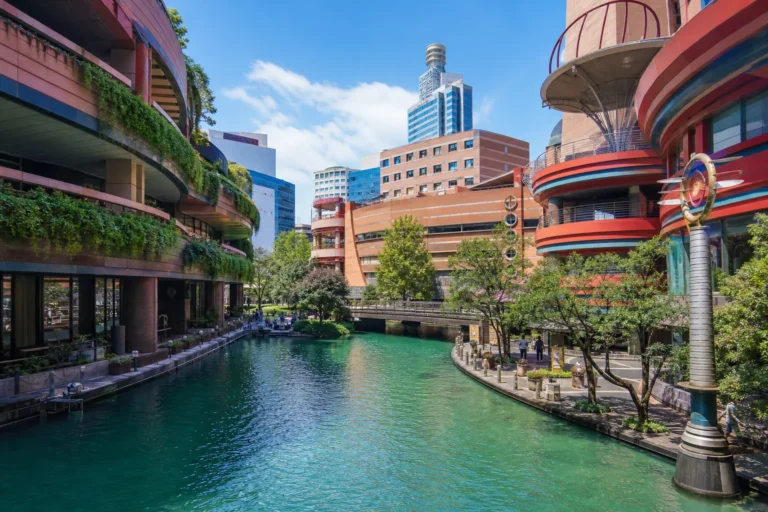
Canal City Hakata is a multi-block shopping and entertainment complex organized around a central artificial canal. The canal stages choreographed fountain-and-light shows that anchor the complex’s linear promenade, while indoor streets and atria house international and local shops, restaurants, cinemas, a theatre, hotels, and offices.
The design blends leisure shopping with family entertainment and rotating cultural programming.
Visitors can browse fashion, electronics, and specialty retailers, relax on open terraces for fountain performances, and attend theatre events or cinemas in the complex. Allow time for both browsing and a scheduled fountain show; Canal City offers tax-free shopping services for international visitors and is well served by bus and nearby subway stations.
Kushida Shrine
Kushida Shrine in central Hakata is a long-established tutelary shrine and the focal point for major community rituals, notably the Hakata Gion Yamakasa festival. Visitors pass beneath a torii and by a famous ginkgo tree before reaching shrine buildings that date to late 16th-century rebuilding.
The shrine remains an active site of living Shinto practice with seasonal rites, blessings, and preserved festival floats on display.
Within the compact precincts are a worship hall with triple enshrinement, wooden plaques and votive offerings, and small side shrines illustrating local devotional variety. The shrine sits within easy walking distance of Hakata’s streets and transit nodes; check seasonal exhibits and possible festival access restrictions before visiting.
Hakata Machiya Folk Museum
Hakata Machiya Folk Museum recreates a Meiji–Taishō era townhouse and small workshop to illustrate merchant life and craft practices in historic Hakata. The relocated machiya preserves timber framing, inner courtyards, and a linear passage that reveal how living and manufacturing were spatially combined.
Exhibits highlight Hakata-ori textiles, Hakata dolls, magemono woodcraft, and other local material culture.
The museum balances display cases with live demonstrations and short hands-on workshops—visitors can watch artisans weave or paint and can try simple activities such as decorating a small doll under guidance. Located near Kushida Shrine, the museum works well as part of a Hakata walking circuit; check official schedules for workshops and reservations.
Tenjin (shopping district)
Tenjin is Fukuoka’s principal commercial hub and the largest shopping district in Kyushu, combining department stores, pedestrian shopping streets, and an extensive underground mall. Shoppers move between above-ground promenades and Tenjin Chikagai, the continuous underground arcade that links major stations and large retailers—useful in bad weather and for quick transfers between shops.
Above ground, wide pedestrianized streets host flagship stores, boutiques, cafés, and occasional street performances; department-store basements and side streets concentrate local food stalls and specialty groceries. Tenjin is a convenient base for mixed itineraries of shopping, light sightseeing, and dining—wear comfortable shoes to cover long blocks and allow extra time for side streets.
Nakasu (entertainment district)
Nakasu is a compact river island between the Naka and Hakata rivers that concentrates Fukuoka’s nightlife, eateries, and seasonal yatai street-food stalls. The narrow grid is dense with izakaya, ramen shops, bars, and entertainment venues; its neon-lit riverfront and night reflections shape much of the district’s atmosphere.
Yatai stalls serve ramen, oden, and regional specialties at casual counters and are a signature way to sample local food culture.
Nakasu is best experienced after dusk when its streets come alive; many visitors combine a daytime cultural walk (Canal City, Kushida Shrine) with an evening meal and bar hop here. Bring cash for some stalls and check official tourism sources for current yatai locations and event schedules.
Best Time to Visit Fukuoka
Spring (late March–May) and autumn (October–November) offer the most comfortable conditions for exploring Fukuoka. Cherry blossoms typically peak in late March to early April around Ohori Park and Maizuru Park.
Autumn brings mild temperatures and clear skies that suit outdoor museum visits and seaside walks. Summers are hot, humid, and festival-filled (notably Hakata Gion Yamakasa in July), while winters are generally mild and less crowded.
Pack layers and rain protection for transitional months.
SPECIAL EVENTS IN Fukuoka
Fukuoka Asia Film Festival (FAFF)
Fukuoka Asia Film Festival (FAFF) is an annual city-centered film festival showcasing contemporary and archival cinema from across Asia, with curated focuses, director talks, and regional shorts. Held in central Fukuoka, the festival highlights local and international filmmakers, special programs, and community-oriented events like markets and Q&A sessions. Travelers interested in Asian cinema, cultural exchange, and intimate venue screenings will find FAFF a compact, accessible way to experience premieres, filmmaker conversations, and curated retrospectives within a walkable arts district.
- Dates
- October 8, 2026 - October 12, 2026
- Venue
- Fukuoka Asian Art Museum (Ajibi Hall)
Fukuoka Marathon
Fukuoka Marathon is a large city marathon that welcomes mass-participation runners, wheelchair competitors and shorter “fun run” entrants. The race showcases Fukuoka’s urban center and nearby coastal scenery, and is organized with substantial local support and race-day services (shuttle, medical, baggage). Travelers may value the event for its energetic spectator culture, convenient public-transport access, and opportunities to combine racing with regional sightseeing and local food experiences.
- Dates
- November 8, 2026
- Venue
- Watanabe-dori (Tenjin) start area (central Fukuoka)
Fukuoka Independent Film Festival (FIDFF)
Fukuoka Independent Film Festival (FIDFF) is a long-running celebration of independent cinema that programs Japanese and international short and feature-length works, many from emerging filmmakers. The festival centers on a competitive selection, filmmaker talks, and community-focused screenings that highlight local storytelling and experimental voices. Travelers interested in contemporary Japanese culture, indie film scenes, or meeting creators will find curated showcases, Q&As, and networking opportunities that provide insight into regional film production and a chance to experience Fukuoka’s creative energy.
- Dates
- December 3, 2026 - December 6, 2026
- Venue
- Fukuoka City Art Museum - Museum Hall
Fukuoka International Marathon
A long-running elite men's marathon held in Fukuoka that attracts international and domestic professional athletes and strong spectator interest. Travelers may care because the race is a major city sporting showcase, offering lively roadside cheering, accessible viewing near the start/finish, and local transit adjustments and festivities that affect accommodation and sightseeing. Visitors who enjoy road racing can combine the event with nearby cultural attractions and food scenes while planning ahead for transportation and lodging impacted by large crowds.
- Dates
- December 6, 2026
- Venue
- Heiwadai Athletics Stadium
Getting Around Fukuoka
Fukuoka’s compact center and integrated transit network make sightseeing efficient. The municipal subway links Hakata, Tenjin, and the airport; Nishitetsu railways and city buses fill gaps; taxis are plentiful for late-night or luggage-heavy trips.
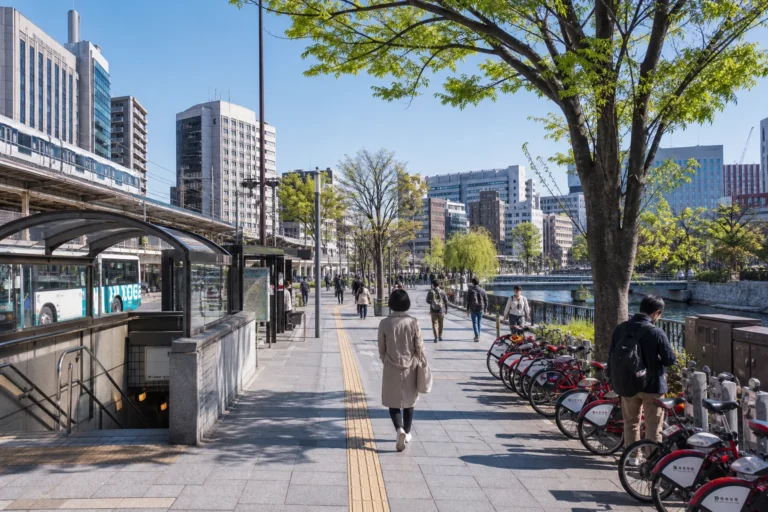
Many central sights (Ohori Park, Maizuru Park, Tenjin, Nakasu) are walkable or a short subway ride apart. Bicycle rental and waterfront promenades work well for short distances, and JR/Nishitetsu lines provide frequent connections for day trips beyond the city.
Location
Map of Fukuoka, Japan
The interactive map loads only when you choose to view it.
Plan Your Visit to Fukuoka
Plan around Fukuoka’s main transport hubs: Fukuoka Airport’s Kūkō Line, Hakata Station (JR and Shinkansen), and Tenjin. Many attractions cluster near Hakata and Tenjin, so organize routes to minimize back-and-forth travel.
Use coin lockers at Hakata and major subway stations for luggage, and consult Fukuoka’s barrier-free resources for accessibility details at parks and museums. For up-to-date access and schedules, check official attraction pages before you go.
Local Tips for Fukuoka
Cluster visits around Hakata, Tenjin, and the waterfront (Ohori Park, Fukuoka Tower, Canal City). Buy or top up a local IC card (Hayakaken, nimoca, or SUGOCA) for seamless subway, bus, and many shop payments.
Carry some cash for smaller restaurants, shrine donation boxes, and market stalls. Mornings tend to be quieter at Ohori Park and Maizuru Park, while Nakasu and Tenjin come alive in the evenings.
Consult the Fukuoka City official tourist guide for neighborhood maps and seasonal highlights.
Live conditions
Current Weather

Updated 2026-09-22 05:45
- Feels like
- 20°C / 68°F
- Today’s high / low
- 27°C / 81°F · 19°C / 67°F
- Humidity
- 83%
- Wind
- ↑ 9 km/h
- Precipitation
- 0 mm
- Chance of rain
- 5%
- Local time
- 2026-09-22 05:58
Safety in Fukuoka
Fukuoka is generally safe; use normal urban caution in crowded areas such as Tenjin and Nakasu and watch personal belongings. The city enforces outdoor smoking bans in busy central streets—follow signage and use designated smoking zones to avoid fines.
In an emergency call Japan’s numbers (police 110; ambulance/fire 119). Hotels and tourist information centers can help with language support and directions to medical services.
Check municipal resources for barrier-free facility listings if you need wheelchair, stroller, or baby-care access.