
Travel Guide
Plan your visit around The Alhambra, Generalife, and more of Granada, Spain.
Discover the best things to do in Granada, Spain, from signature sights to memorable local experiences.
Walkable city anchored by the UNESCO-listed Alhambra and Generalife. Narrow hilltop quarters such as the Albaicín and Sacromonte offer classic viewpoints, cave flamenco venues and winding streets, while the nearby Sierra Nevada provides high-mountain trails and seasonal snowfields.
Why Visit Granada
Visitors come for the Alhambra and Generalife. A peak example of Nasrid palace architecture and historic gardens.
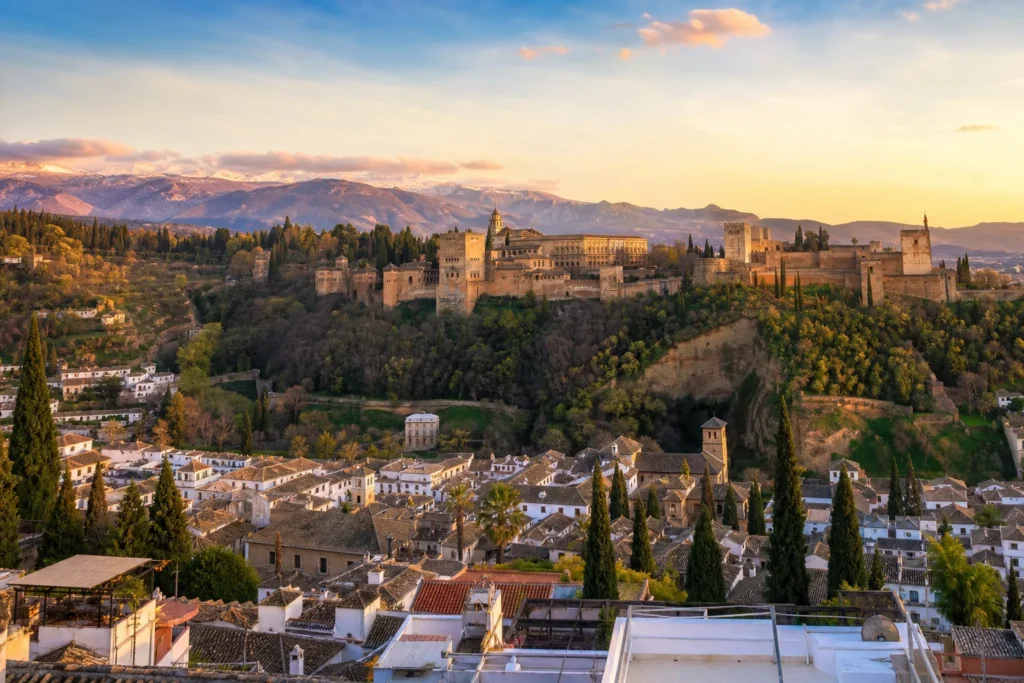
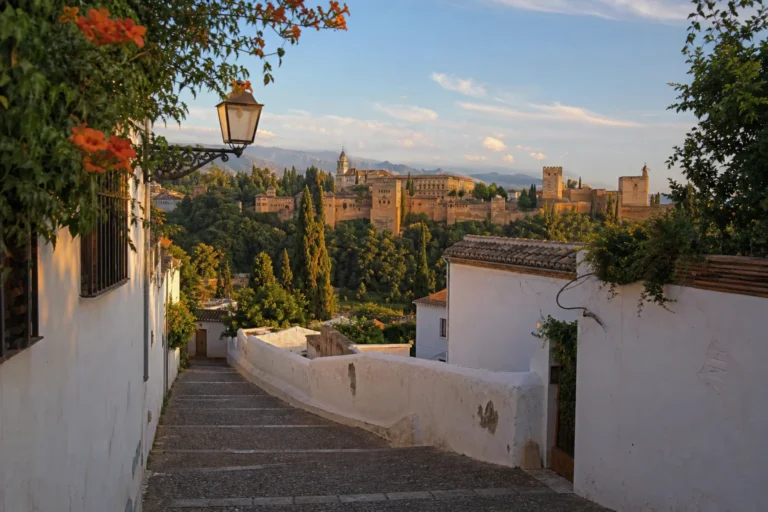
And for the experience of moving through living historical quarters. The Albaicín’s lanes and the Mirador de San Nicolás frame postcard views of the Alhambra with the Sierra Nevada beyond.
Sacromonte preserves cave dwellings and flamenco traditions, and the central Cathedral and Royal Chapel add Renaissance and dynastic history. Complementary institutions like the Parque de las Ciencias and ready access to Sierra Nevada broaden the city’s appeal.
Top Things to Do in Granada, Spain
Granada’s highlights cluster close together, so you can combine palace visits, neighbourhood walks and a viewpoint stop in a single day. Below are the core sites and experiences that define the city’s layered heritage.
The Alhambra
The Alhambra is a compact palatine city and fortified complex perched above Granada, where visitors pass through military, residential and ceremonial precincts. The sense of arrival is staged by ramps and high walls that give way to open courtyards and intimate chambers defined by delicate carved stucco, tile work and complex muqarnas.
The site represents the peak of Nasrid art from the 13th and 14th centuries and retains later Christian additions such as the Palace of Charles V. Water, gardens and courtyard sequences structure circulation; highlights include the Patio de los Leones and the Comares façade.
Generalife
The Generalife is the Nasrid rulers’ historic almunia and pleasure garden, sited on the Cerro del Sol east of the Alhambra. It reads as a working garden and retreat: irrigated terraces, orchards and enclosed walking courts create a deliberately restful atmosphere centered on water and planted symmetry.
Architecturally it is simpler than the palaces but focused on landscape and cooling channels. The long Patio de la Acequia with its central water channel, pavilions and axial paths frames views toward the Alhambra, the Albaicín and, on clear days, the Sierra Nevada.
The Generalife rewards slower movement and quiet observation; check official guidance for conservation-related access notes before visiting.
Albaicín (Albayzín) neighborhood
The Albaicín invites wandering through a densely textured medieval quarter of narrow, stepped lanes, whitewashed houses and hidden courtyards. Small teterías and local shops open onto sudden vistas; the mood shifts from intimate domestic spaces to broad viewpoints that frame the Alhambra and the Sierra Nevada across the Darro valley.
UNESCO lists the Albayzín with the Alhambra as a World Heritage ensemble because it preserves a Hispano‑Muslim street pattern and layered history. Streets are steep and often uneven, and the area remains an active residential quarter subject to conservation rules, so plan on walking and respect local spaces when visiting viewpoints and miradores.
Mirador de San Nicolás
The Mirador de San Nicolás is a small terrace in the Albaicín that offers the iconic view of the Alhambra set against the Sierra Nevada. The plaza frames palace façades, reflecting pools and the surrounding city, producing one of Granada’s most photographed panoramas—especially at sunset when the light accentuates the red stone and mountains.
The mirador sits within the Albaicín’s historic fabric and has limited capacity, so it can become crowded at dusk and is animated by street performers and nearby cafés. For a quieter experience, consider visiting earlier in the day or exploring alternative nearby viewpoints.
Sacromonte neighborhood (cave houses and flamenco)
Sacromonte occupies the Valparaíso ridge opposite the Alhambra and is characterized by whitewashed cave-fronts, steep lanes and terraces. Visitors encounter living cave homes that open directly onto narrow streets and small plazas, with constant views toward the Darro valley and the Sierra Nevada.
The quarter matters for its Romani cultural history and the intimate cave tablaos—zambras—that helped shape modern flamenco forms. A local museum interprets the link between dwelling, performance and community.
Many caves remain private homes, so check official museum and city tourism guidance before attending performances or visiting sites.
Granada Cathedral
Granada Cathedral stands at the historic centre as a Renaissance church with later Baroque interventions and a dramatic façade. The project was reshaped by Diego de Siloé toward Renaissance proportion, and later decorative work by artists such as Alonso Cano adds Baroque theatricality to interiors and chapels.
The cathedral functions as a civic and liturgical anchor closely linked to the adjacent Royal Chapel. Interiors emphasize large ordered volumes, a high dome over the crossing and a sequence of chapels with notable paintings and sculptural altarpieces.
Conservation work and guided programs can affect access, so verify current routing before your visit.
Royal Chapel (Capilla Real)
The Royal Chapel (Capilla Real) is a compact late‑Gothic funerary church adjacent to the cathedral, commissioned by Isabella and Ferdinand to house their tombs.
Built in the early 16th century, it contains a white Carrara‑marble cenotaph for the Catholic Monarchs behind a gilded reja and larger sepulchres for Joanna and Philip by leading sculptors of the period.
The sacristy‑museum displays vestments, reliquaries and devotional objects that illuminate the monarchy’s ceremonial life and artistic ties. Visits reward close observation of sculptural detail and historical objects; access is often combined with the cathedral, so check official channels for current ticketing and routing.
Parque de las Ciencias (Science Park)
Parque de las Ciencias is Granada’s large interactive science museum and park beside the Genil river, combining indoor pavilions with extensive outdoor installations. The Macroscopio serves as the main arrival building, and permanent halls address perception, the human body, technology and Leonardo‑related studies, supported by a digital planetarium and observatory.
The BioDomo recreates tropical aquaria and humid habitats, and outdoor zones include a butterfly house, tower viewpoint and interactive stations. The park is family-oriented and lies about a fifteen‑minute walk from the historic centre; because exhibits evolve, check the park’s official site for current programmes and accessibility information.
Sierra Nevada National Park
Sierra Nevada National Park rises above Granada as a high, glaciated massif with more than fifteen peaks above three thousand metres, including Mulhacén and Veleta. The landscape shifts quickly from warm southern valleys to stark ridges, glacial cirques and seasonal snowfields, producing dramatic sightlines and rapid weather changes.
The park is a designated national park and UNESCO Biosphere Reserve noted for plant diversity and endemic species. Visitors use marked trails, long‑distance routes and managed refuges; practical access points include the Dornajo visitor centre and the Pradollano ski area.
High‑mountain travel requires alpine equipment, map skills and verification of conditions with official park channels.
Best Time to Visit Granada
Spring (April–June) and autumn (September–October) are the best times to visit: milder temperatures, clearer mountain views and fewer crowds than high summer. Winter brings quieter streets and the chance of snow in Sierra Nevada, while summer can be hot and busiest at principal viewpoints and heritage sites.
Allow extra time for Alhambra visits and for walking between hilltop miradors.
SPECIAL EVENTS IN Granada
Festival Internacional de Jazz de Granada
The Festival Internacional de Jazz de Granada is an influential, long-running autumn jazz festival in Granada that attracts international artists and audiences to historic performance spaces. Established in 1980 and now produced by a public festival office, it blends headline concerts at the Teatro Isabel la Católica with smaller 'Jazz en Paralelo' shows, workshops and citywide events. Travelers come for the high-quality programming, intimate theatre atmosphere, and the chance to pair world-class jazz with Granada’s UNESCO heritage, tapas scene and compact, walkable centre.
- Dates
- October 27, 2026 - November 7, 2026
- Venue
- Teatro Isabel la Católica
Día de la Cruz (Cruces de Mayo) — Granada
Día de la Cruz (Cruces de Mayo) in Granada is a centuries‑old, community‑led spring celebration in which streets, plazas, courtyards and shopfronts are decorated with floral crosses accompanied by music, dance and a municipal competition. Organized and promoted by the Ayuntamiento de Granada, it offers lively street atmosphere, photo opportunities, and local food traditions that attract both residents and visitors. Travelers come for authentic cultural immersion, daytime strolls among the decorated crosses and evening festivities that showcase Granada’s neighbourhood life and folk customs.
- Dates
- May 3, 2027
Getting Around Granada
Granada’s compact centre is best explored on foot: historic sites, miradors and most neighbourhoods connect by pedestrian routes and steep streets. Local buses link outer districts, the science park and routes toward Sierra Nevada; taxis fill gaps or help with steep or late-night journeys.
The Alhambra and Generalife are reachable on foot from parts of the city or by short bus or taxi rides. For Sierra Nevada, road links and seasonal mountain transport connect the city to trails and ski areas.

Location
Map of Granada, Spain
The interactive map loads only when you choose to view it.
Plan Your Visit to Granada
Book Alhambra and Generalife tickets in advance on the official Patronato de la Alhambra y Generalife site. Nasrid Palaces use timed entries printed on tickets and require ID at access points.
Consider a Granada Card or consult the municipal tourism office to combine the Alhambra, museums and local attractions.
Expect steep, uneven streets in the Albaicín and Sacromonte and allow extra walking time between viewpoints and plazas. For Sierra Nevada trips, check the park administration for trail safety, seasonal restrictions and refuge information.
Local Tips for Granada
Arrive early or late at major sites to avoid peak crowds and midday heat; mid-morning is often busiest at the Alhambra. Use official ticket channels and avoid third‑party resellers that list invalid or inflated passes.
From Federico García Lorca Granada–Jaén Airport take the ALSA bus to the bus station and centre, or use taxis and on-site rental desks. Wear comfortable shoes for cobbles and steps in hilly neighbourhoods, and check city and cultural listings for reputable tablaos and seasonal flamenco programming.
Live conditions
Current Weather

Updated 2026-09-20 20:45
- Feels like
- 17°C / 63°F
- Today’s high / low
- 23°C / 73°F · 15°C / 59°F
- Humidity
- 46%
- Wind
- ↑ 8 km/h
- Precipitation
- 0 mm
- Chance of rain
- 2%
- Local time
- 2026-09-20 20:51
Safety
Follow official guidance from the Alhambra, Sierra Nevada park authorities and local police for closures, conservation measures and emergency procedures. Keep Alhambra tickets and ID on you; the Patronato enforces ticket ID checks and may alter access routes.
In mountain areas expect rapid weather changes—carry layered clothing, maps and water and notify park authorities of planned routes. For non‑emergency local alerts use Junta de Andalucía and Granada city channels; in an emergency dial Spain’s number (112).
Be alert for pickpockets in crowded tourist spots and on public transport.