
Travel Guide
Plan your visit around Rock Islands Southern Lagoon, Jellyfish Lake, and more of Koror, Palau.
Discover the best things to do in Koror, Palau, from signature sights to memorable local experiences.
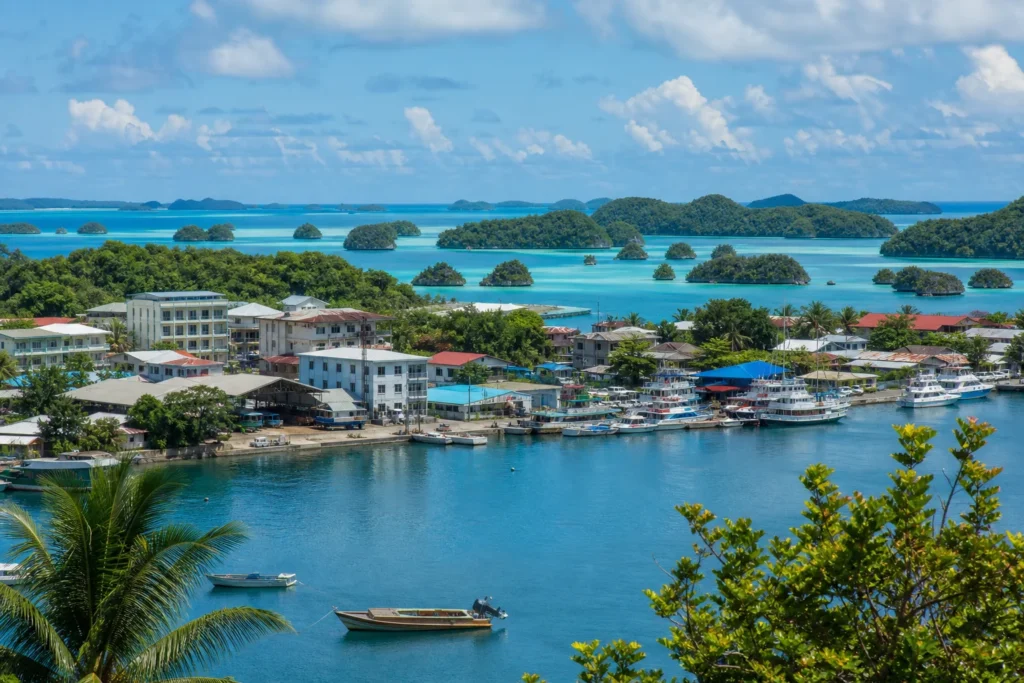
Koror is Palau’s main population and visitor hub and the gateway to the internationally renowned Rock Islands Southern Lagoon and the country’s best dive sites, concentrating lodging, dive shops, cultural institutions and departure points for marine excursions.
Why Visit Koror
Travelers base themselves in Koror to reach world-class diving, the UNESCO-listed Rock Islands and marine lakes such as Ongeim’l Tketau (Jellyfish Lake). The town concentrates lodging, dive shops, cultural institutions and departure points for marine excursions.
Short boat trips lead to limestone islets, secluded beaches and snorkeling in coral-rich lagoons.
Koror’s conservation programs, research centres and tourism infrastructure make it an efficient base for nature-focused and culturally aware trips.
Top Things to Do in Koror, Palau
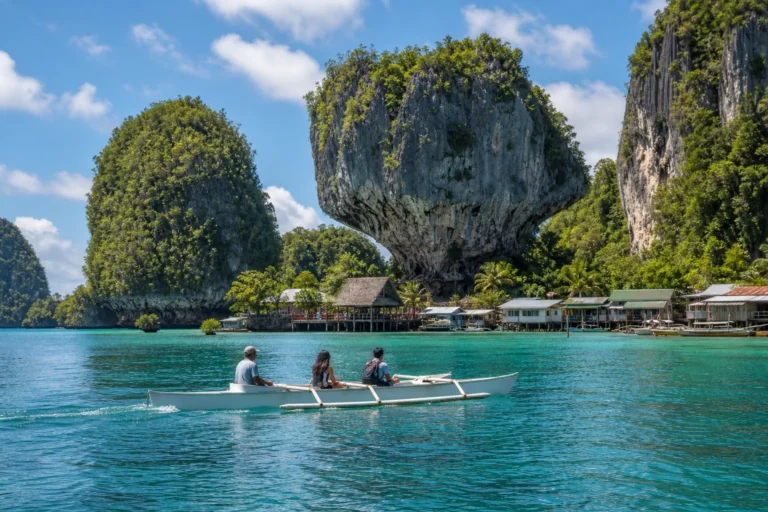
Koror is the gateway to the Rock Islands Southern Lagoon and Palau’s best dive sites. Most visitor itineraries.
Boat trips, snorkeling, and dives. Depart from Koror’s harbors and licensed operators.
Rock Islands Southern Lagoon (UNESCO World Heritage)
A 100,200-hectare protected seascape of some 445 mushroom-shaped limestone islets, fringing and patch reefs, and sheltered lagoons immediately south of Koror. Inscribed on the UNESCO list for natural and cultural values, the Rock Islands are experienced by boat with short landings on selected islands for scenic views, snorkeling and visits to protected marine lakes.
Many areas require Rock Islands/Jellyfish Lake permits and guided visits, so plan tours with licensed Koror operators and confirm access rules before travel.
Official Rock Islands Southern Lagoon (UNESCO World Heritage) website →
Jellyfish Lake (Ongeim'l Tketau)
Ongeim’l Tketau (Jellyfish Lake) is a scientifically sensitive marine lake noted for endemic, largely stingless golden jellyfish and a strongly stratified water column.
Access is managed by Koror State and typically requires a specific permit and authorised guide; jellyfish densities and lake conditions have fluctuated, and parts of the lake have been temporarily restricted or closed. Verify current permit requirements, closures, and visitor rules with Koror State or licensed operators before planning a visit.
Belau National Museum (Ngerbeched, Koror)
Palau’s principal cultural and natural history museum, sited in Ngerbeched, Koror. The museum compound includes a traditional bai and galleries that trace Palauan history from pre-contact through colonial periods, with large traditional objects, ethnographic items and displays about marine and terrestrial environments.
Check the museum’s official contact channels for current exhibitions or access and for potential research-visit arrangements.
Official Belau National Museum (Ngerbeched, Koror) website →
Palau International Coral Reef Center (PICRC)
The Palau International Coral Reef Center is Palau’s marine-science institute in Koror, combining research labs, living collections and public education on coral reefs and marine conservation. Visitors can see interpretive displays and aquaria, learn about monitoring and restoration work, and join scheduled talks or tours.
Because PICRC is an active research facility, some areas may be closed and advance coordination is recommended for visits.
Official Palau International Coral Reef Center (PICRC) website →
Ngemelis Islands — Blue Corner & nearby dive sites
Ngemelis, the western cluster of the Rock Islands, contains signature open-ocean wall and current dives such as Blue Corner, Blue Holes and Big Drop-off. Boat-based day dives or liveaboards from Koror deliver steep coral walls, strong tidal currents and abundant pelagics—conditions prized by experienced divers for dramatic drift dives and high photographic value.
Operators match sites to diver certification and may rotate sites to reduce pressure; confirm skill requirements and safety procedures with a licensed Koror operator.
Official Ngemelis Islands — Blue Corner & nearby dive sites website →
German Channel (famous manta/cleaning-station dive)
German Channel is a man-cut channel that funnels nutrient-rich currents and supports reliable manta-ray cleaning and feeding activity at nearby stations. The site offers shallow to mid-depth reef and sand channels where divers and snorkelers commonly encounter reef mantas; encounters depend on tides and manta behaviour.
Access is by licensed operators from Koror, who enforce approach distances and may limit numbers at cleaning stations.
Official German Channel (famous manta/cleaning-station dive) website →
Ulong Channel (Ngerumekaol) — major dive/wall site
Ngerumekaol (Ulong Channel) is a 500-metre channel and a drift-dive classic west of Ulong Island, known for strong currents, steep drop-offs and dense marine life including trevally, snapper and reef sharks.
Typical visits are boat-based day dives or liveaboard stops from Koror; reef hooks and current techniques are commonly used and operators assign divers by certification and current experience. Confirm conditions, safety requirements and operator rules before booking.
Official Ulong Channel (Ngerumekaol) — major dive/wall site website →
WWII wreck diving sites and related museum/trip departures from Koror
The lagoon and outer reefs around Koror hold a dense collection of World War II ship and aircraft wrecks that combine historical interest with rich reef life. Dives range from shallow lagoon wrecks suitable for intermediate divers to deep or complex wrecks requiring advanced wreck or deep-diving skills.
Koror dive operators run day trips and liveaboards, provide history briefings, and set skill prerequisites; verify wreck accessibility, safety rules and any temporary restrictions with operators and official authorities.
Best Time to Visit Koror
The best time to visit Koror is Palau’s dry season. Roughly November through April.
When rainfall is lower, seas are calmer and visibility for snorkeling and diving is typically clearest. Shoulder months (late April–May and October) can offer good diving with fewer tourists.
Expect sudden showers year-round and allow flexibility for weather-related changes when booking liveaboards or guided excursions.
Getting Around Koror
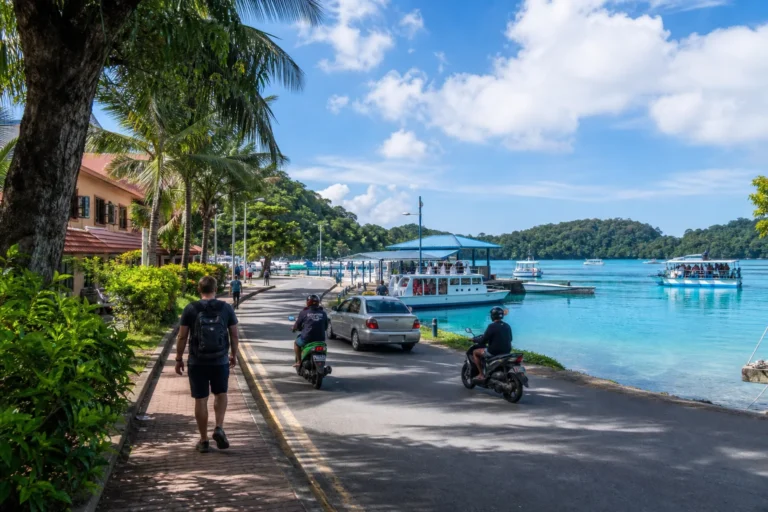
Koror is compact and most logistics are water- or road-based. Domestic flights and ferries connect to nearby islands, but Rock Islands access requires booked boat charters, dive operators, or guided day trips from Koror’s harbors.
Within town, short taxi rides, tuk-tuks and rental scooters are common; walking works well in the central district. When island-hopping or diving, confirm operator pickup points, boat safety certificates, and any national-park permits.
Location
Map of Koror, Palau
The interactive map loads only when you choose to view it.
Plan Your Visit to Koror
Plan Rock Islands and Jellyfish Lake visits around Koror State rules: Jellyfish Lake normally requires a Rock Islands/Jellyfish Lake permit and authorised guides, and other marine lakes are closed by law.
Permits, conservation briefings, and operator compliance are enforced; rules and visitor caps can change, so confirm with Koror State or your licensed operator before travel. Use registered dive operators for offshore sites and allow extra time for transfers and briefings.
Local Tips for Koror
Koror is the practical gateway for Rock Islands trips and short boat transfers to sites like Jellyfish Lake. Book Rock Islands/Jellyfish Lake passes in advance through approved operators or Koror State channels.
Visit the Belau National Museum and the Palau International Coral Reef Center in town for cultural and marine context before heading offshore.
Expect informal business hours, limited rental-car availability, and variability in cash/card acceptance along the main road and Malakal.
Live conditions
Current Weather

Updated 2026-09-21 04:00
- Feels like
- 89°F / 32°C
- Today’s high / low
- 83°F / 28°C · 81°F / 27°C
- Humidity
- 80%
- Wind
- ↙ 18 mph
- Precipitation
- 0 in
- Chance of rain
- 68%
- Local time
- 2026-09-21 04:15
Safety
Follow Koror State marine and conservation rules: many Rock Islands areas require permits and licensed guides, and entering closed marine lakes can carry fines. Ocean conditions include strong currents at channels and dive sites, sharp coral, and sudden weather changes—use licensed boat operators, heed briefings, and meet dive-skill requirements.
Protect against sun exposure and limited fresh water on small boats. For sensitive sites like Jellyfish Lake, follow guidance to avoid disturbing wildlife and check for temporary closures.