
Travel Guide
Plan your visit around Zona Hotelera, Playa Delfines, and more of Cancún, Mexico.
If you're looking for things to do in Cancún, the city pairs long white-sand beaches and modern resort amenities with accessible Maya archaeology and marine attractions. The curved Zona Hotelera concentrates hotels, beach access points and water-excursion operators, while downtown neighborhoods offer markets, plazas and street-food scenes.
Short boat trips link to Isla Mujeres, and compact cultural stops like the Museo Maya de Cancún and the Zona Arqueológica El Rey sit within easy reach of many hotels.
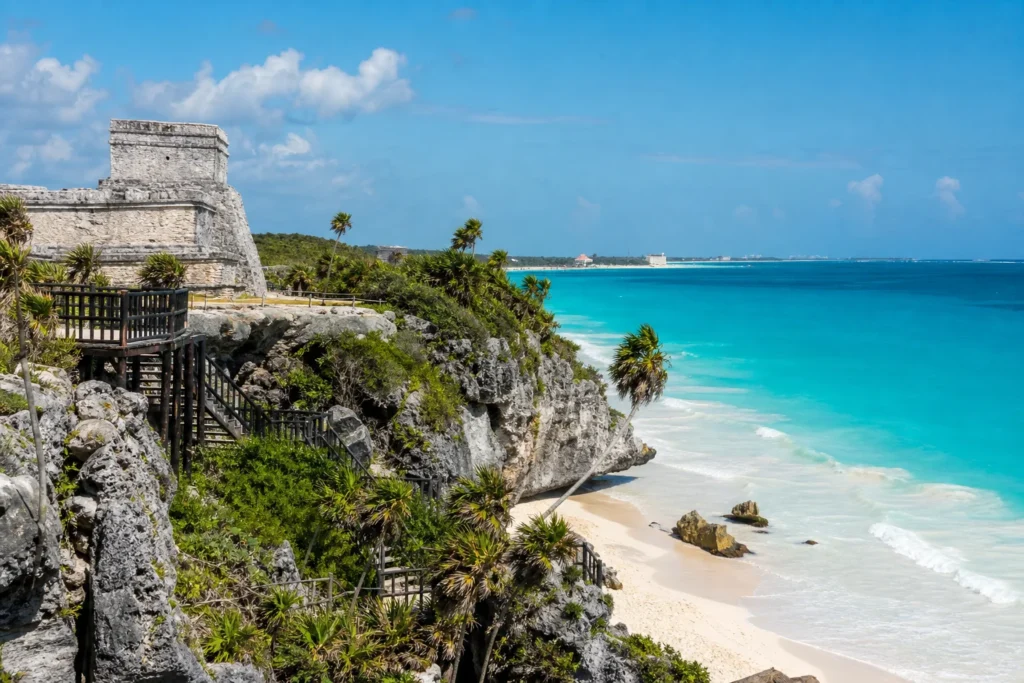
Why Visit Cancún
Visitors come to Cancún for a reliable beach-and-resort experience plus easy access to regionally distinctive attractions.
The Hotel Zone delivers a range of beaches with gentle Caribbean surf and public viewpoints such as Playa Delfines. Shallow reefs and the Museo Subacuático de Arte (MUSA) offer snorkeling and diving alternatives.
And compact cultural stops. The Museo Maya de Cancún and Zona Arqueológica El Rey.
Let travelers pair relaxation with archaeology within city limits.
Frequent ferries to Isla Mujeres and nearby cenotes and Maya sites make Cancún a flexible base for varied Caribbean and cultural experiences.
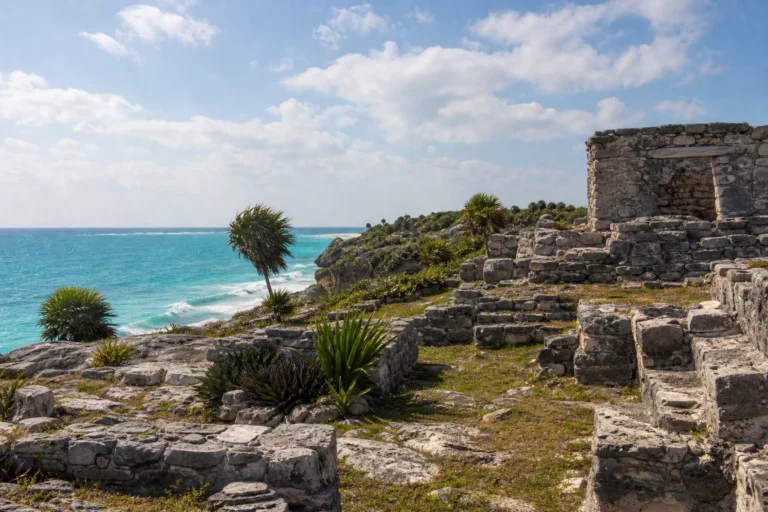
Top Things to Do in Cancún, Mexico
Cancún’s highlights mix beachfront leisure, reef and underwater art experiences, compact archaeological sites, and lively downtown markets and plazas. Below are the top attractions and neighborhoods to plan into a visit.
Zona Hotelera (Cancún Hotel Zone beaches)
The Zona Hotelera is a 22-kilometre spit of sand, hotels, and public beaches. Visitors experience a long, continuous beachfront interrupted by hotel access points and public beach entries.
The boulevard that runs its length, Avenida Kukulkán, is the spine for almost every visitor service and transfer route. ([govisitcancun.com](https://www.govisitcancun.com/guides/MapaOVC-ING.pdf?utm_source=openai))
The strip blends daytime beach life with active nightlife and large resort infrastructure. You will find shopping malls, restaurants, and organized water excursions along the shore.
A notable cultural attraction nearby is the Museo Subacuático de Arte, an underwater sculpture park accessed by boat. The variety makes the Hotel Zone useful for both one-day visitors and longer stays. ([mail.turismocancun.mx](https://mail.turismocancun.mx/es/zona-hotelera?utm_source=openai))
Many public beaches in the Hotel Zone hold international environmental certifications.
Playa Delfines (El Mirador)
Playa Delfines, commonly called El Mirador, is one of Cancún’s most photographed public beaches. It sits near kilometer seventeen to eighteen along Boulevard Kukulkán and offers a high panoramic viewpoint over the open Caribbean.
The site is famous for its large multicolored “CANCÚN” letters, which attract photographers and families. ([turismocancun.mx](https://www.turismocancun.mx/el-ni%C3%B1o-1-1-1-1?utm_source=openai))
The beach itself is an expansive, largely undeveloped stretch of white sand. Unlike many hotel-front beaches, Delfines has no continuous hotel frontage, giving a more open seaside character.
Visitors commonly relax under public palapas, walk wide sandbars, and watch stronger surf rolling in from the outer shelf. ([mail.turismocancun.mx](https://mail.turismocancun.mx/beaches/?utm_source=openai))
Playa Delfines has municipal safety and environmental credentials that are noted in official sources.
Museo Maya de Cancún
The Museo Maya de Cancún is a regional archaeology museum and research center that presents the pre‑Columbian history of the Yucatán Peninsula with a strong focus on Quintana Roo. Visitors move through curated galleries of artifacts, iconography and explanatory panels that place objects in social, economic and ritual context.
The displays are meant to prepare or follow up on visits to nearby ruins, helping people connect pottery, tools and sculpture to the settlements they will see in the Hotel Zone and beyond.
The collection emphasizes material recovered from archaeological work in Quintana Roo while also including emblematic pieces from major Maya sites elsewhere.
Zona Arqueológica El Rey
Zona Arqueológica El Rey sits inside Cancún’s Hotel Zone, on the narrow island between the Caribbean Sea and the Nichupté Lagoon, near kilometer markers along Boulevard Kukulcán. The site preserves a compact cluster of stone platforms, small pyramids and palace-like buildings that are easy to reach from nearby hotels.
Its island setting gives visitors a clear sense of how coastal Maya communities fit between lagoon resources and open-sea trade routes.
Archaeological evidence shows human activity at El Rey from early times, with the settlement expanding most noticeably during the Late Postclassic period (roughly the centuries before European contact). Excavations reveal a main north–south avenue flanked by plazas and building groups.
Museo Subacuático de Arte (MUSA)
MUSA is a purpose-built underwater sculpture museum sited between Punta Nizuc, Cancún, and the western coast of Isla Mujeres. Visitors experience it as a series of seabed “galleries” rather than a single building: life‑size figures, tableaus and modular forms sit on the sand at depths chosen for snorkelers and divers.
The installation was conceived to relieve pressure on natural coral by giving visitors an alternative attraction, while using art to encourage marine growth and biodiversity on intentionally roughened, long‑lasting substrates.
The sculptures are made of marine‑grade cement and other neutral materials selected to encourage coral larval settlement and encrusting life. Over time the statues accumulate corals, sponges and algae and become part of a developing artificial reef.
Ferry to / Visit Isla Mujeres (from Puerto Juárez)
The ferry crossing from Puerto Juárez to Isla Mujeres is a short, reliable sea link used by day‑visitors and island residents alike. Operated by licensed ferry companies from a covered maritime terminal at Puerto Juárez, the trip takes about twenty to thirty minutes across open Caribbean water.
At the terminal you will find ticketing, sheltered waiting areas, restrooms, taxi and bus connections, and paid parking; arrive early during holiday or cruise-ship peaks to allow time for check‑in and boarding procedures.
Riding the ferry gives you a clear geographic sense of Cancún’s barrier‑island setting and Isla Mujeres’ compact scale. Boats typically make several crossings per hour during daytime, and they land at Isla Mujeres’ main pier in the town (El Centro).
Mercado 28 (Downtown market)
Mercado 28 sits in Cancún’s city centre as the city’s best‑known craft and souvenir bazaar. Housed under a mix of covered alleys and open stalls, it concentrates shops selling silver, amber, embroidered textiles, Talavera pottery, hammocks and cheap tourist souvenirs.
The layout is a compact maze of numbered booths and small restaurants, which gives the place a lively, local rhythm distinct from the Hotel Zone’s malls and beachfront shops.
Visitors commonly come to Mercado 28 for handicrafts and to experience an older, working side of Cancún. In addition to souvenir shopping, the market contains casual food stalls and regional‑style eateries where you can try tacos, seafood snacks, and Yucatecan antojitos amid the bustle.
Parque/Plaza de las Palapas (Parque de las Palapas)
Parque de las Palapas is Cancún’s compact civic heart and a longstanding local meeting place. Conceived as part of the city’s original plan in the 1970s, the park’s character centers on an open plaza with a raised bandshell stage, shaded seating, and the signature palapa roofing that gives the place its name.
Its scale and layout make it easy to reach on foot from central neighborhoods, and the space reads as an open-air living room for families and residents.
Evenings bring the park to life with food stalls, marquesita sellers, and small artisans’ booths arranged around the main plaza. The site is notable for everyday street food and regional antojitos that visitors can sample while watching free cultural performances.
Best Time to Visit Cancún
The most pleasant months are roughly November through April, when humidity and heavy rain decrease and temperatures are warm but not intensely tropical. This window also falls mostly outside the main hurricane season.
Summer and early autumn bring hotter, more humid weather and higher rainfall, with a small but real risk of tropical storms between June and November. If you prefer fewer crowds, consider shoulder months (late spring or early autumn) but plan reservations and travel insurance accordingly for hurricane-season travel.
Getting Around Cancún
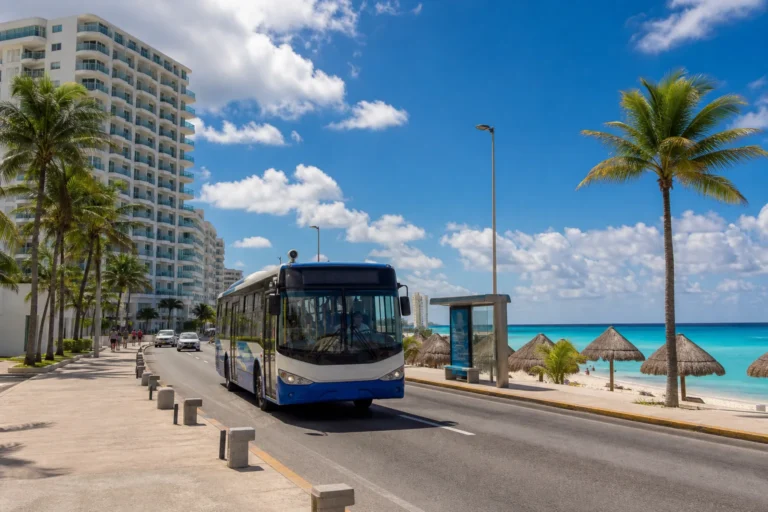
Cancún’s urban area is divided into downtown (Centro) and the long, narrow Zona Hotelera connected by Avenida Kukulkán (Boulevard Kukulkán). Public buses — including frequent R1/R2 lines — run between downtown and the Hotel Zone and are the most affordable option.
Licensed taxis and app-based ride services provide door-to-door transport. Ferries to Isla Mujeres sail from Puerto Juárez; small marinas and tour operators arrange snorkeling, diving and MUSA trips.
Walking works well within the Hotel Zone and around central plazas like Parque de las Palapas, while car rental is useful for independent trips to outlying sites and cenotes.
Location
Map of Cancún, Quintana Roo, Mexico
The interactive map loads only when you choose to view it.
Plan Your Visit to Cancún
Cancún centers on two practical hubs: the Zona Hotelera (the long coastal boulevard with public beaches and major hotels) and downtown/Benito Juárez (markets, services and transit links). Plan beach visits around public-access spots such as Playa Delfines (around kilometer 18, nicknamed “El Mirador”) for views and open sand.
Museo Maya de Cancún and Zona Arqueológica El Rey cluster near the Hotel Zone and downtown and are compact, walkable stops from many hotels. For Isla Mujeres, regular ferry services run from Puerto Juárez; confirm crossings in advance during holiday seasons.
Local Tips for Cancún
Use shared colectivos, authorized taxis, or ADO/bus services for affordable transfers between downtown, the Hotel Zone and the ferry terminals, and tell drivers the exact landmark (for example “Playa Delfines” or “Puerto Juárez”). Carry small Mexican pesos for market purchases at Mercado 28 and for street food; many smaller vendors accept only cash.
Parque de las Palapas is the evening heart for local food stalls, live music and handicrafts—visit after dusk for the liveliest atmosphere. For MUSA, choose an operator certified for reef protection and ask about snorkel versus glass‑bottom boat options.
Live conditions
Current Weather

Updated 2026-09-21 13:15
- Feels like
- 34°C / 93°F
- Today’s high / low
- 30°C / 86°F · 26°C / 78°F
- Humidity
- 65%
- Wind
- → 13 km/h
- Precipitation
- 0.01 mm
- Chance of rain
- 66%
- Local time
- 2026-09-21 13:32
Safety in Cancún
Cancún is a high-traffic tourist city; most visits are routine but remain aware of petty theft in crowded areas such as markets, bus stops and beaches and secure valuables. Use official or hotel-recommended taxi services or ride-hailing apps where available, and confirm ferry operators at Puerto Juárez are licensed.
Respect protected areas: coral reefs and MUSA installations are environmentally sensitive—follow guides’ instructions and do not touch sculptures or coral. At archaeological sites, follow signage and stay on permitted paths, and consult local authorities or your accommodation about any travel advisories.