
Travel Guide
Plan your visit around Senso-ji, Meiji Jingu, and more of Tokyo, Japan.
Discover the best things to do in Tokyo, Japan, from signature sights to memorable local experiences.
Start by grouping attractions by neighborhood: historic Asakusa and the Imperial Palace gardens sit alongside neon Shibuya, electronics and pop-culture Akihabara, and waterfront Odaiba.
The metropolis’s size and dense rail network mean short distances can still require transfers, so allow time for travel and confirm museum closures or timed-entry tickets on official sites before relying on indoor visits.
Why Visit Tokyo
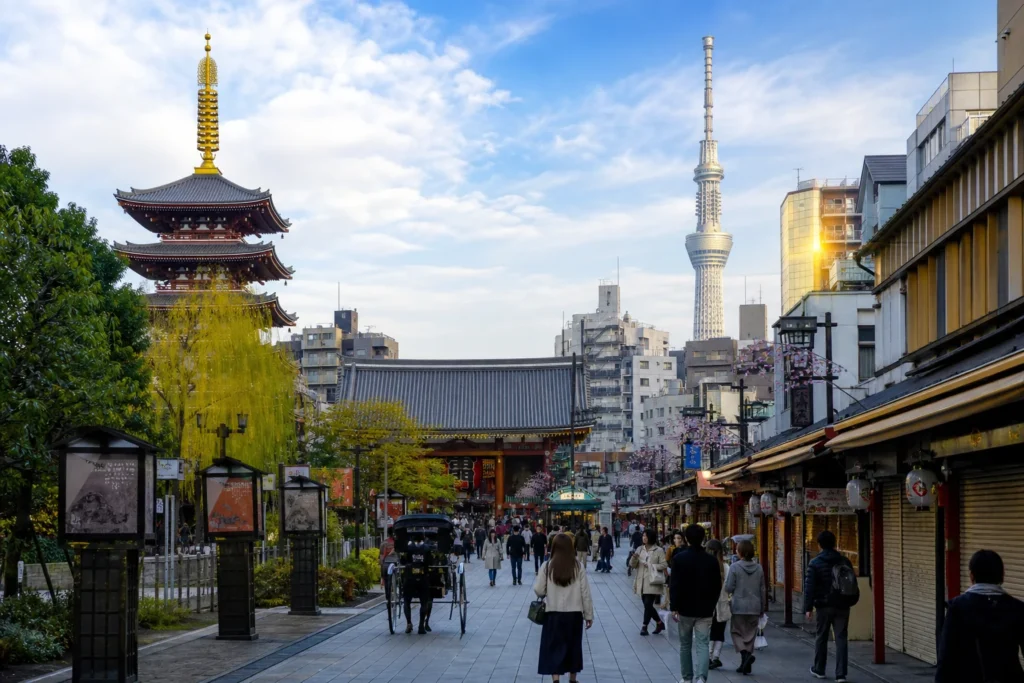
Tokyo rewards a wide spectrum of interests: historic temples and shrines such as Senso-ji and Meiji Jingu, concentrated museum clusters in Ueno and the National Art Center, panoramic views from Tokyo Skytree and Tokyo Tower, and contemporary neighborhoods like Shibuya and Harajuku.
Food offerings range from market stalls and izakaya lanes to world-class restaurants, and the city is a practical base for many nearby day trips. Confirm official sources for closures or timed-entry rules before planning indoor visits.
Top Things to Do in Tokyo, Japan
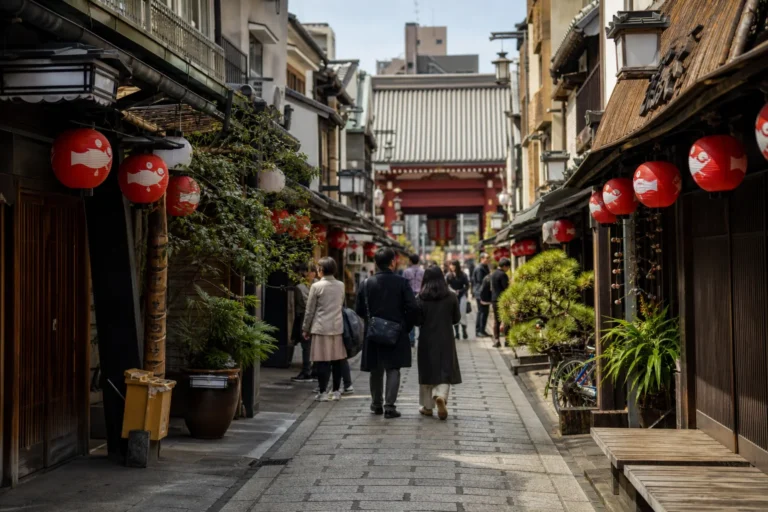
From historic temples and landscaped gardens to skyline observation decks and bustling shopping districts, Tokyo offers compact, contrasting experiences across neighborhoods. Perfect for prioritizing by interest and proximity.
Senso-ji (Asakusa)
Senso-ji is Tokyo’s oldest, most-visited Buddhist temple, centered on the Kaminarimon (Thunder Gate) and the Nakamise shopping approach leading to the main hall and five-storey pagoda. Visitors come for the temple architecture, devotional practice at the Kannon main hall, and the Nakamise shops selling traditional snacks and souvenirs.
Some subsidiary buildings have variable opening times or close for rituals or maintenance, so check the temple’s official site for current access notices before planning an indoor visit.
Meiji Jingu (Meiji Shrine)
Meiji Jingu is Tokyo’s principal Shinto shrine honoring Emperor Meiji and Empress Shoken, prized for its broad, forested precinct that feels like an urban woodland oasis beside Yoyogi Park. The shrine offers torii-lined approaches, ceremonial architecture, seasonal rituals and opportunities to buy omamori (charms).
The innermost sanctuary and routes can be subject to temporary restrictions during ceremonies, so verify official Meiji Jingu announcements for current access guidance.
Imperial Palace & East Gardens
The Imperial Palace complex includes the Emperor’s residence and the East Gardens, which occupy part of the former Edo Castle inner enclosures. Visitors come for landscaped castle gardens, stone ramparts and Edo‑period foundations—useful for understanding Tokyo’s feudal past amid the Marunouchi business district.
Note that main palace buildings are not open for casual walk‑ins and the East Gardens can close for imperial ceremonies or maintenance; check the Imperial Household Agency / East Gardens pages for visitor rules and closures.
Tokyo Skytree
Tokyo Skytree is a purpose-built broadcasting tower with two principal observation levels (Tembo Deck and Tembo Galleria) and a multi-level retail and museum base. It offers high-elevation panoramic views, transparent floors and interpretive displays.
Observation decks are ticketed with online sales and can sell out; the operator publishes congestion and closure notices, and weather or maintenance can restrict access to certain decks—check Skytree’s official ticketing information before you go.
Tokyo Tower
Tokyo Tower in Minato is a classic red-and-white observation tower with two main public levels (Main Deck and a higher Top Deck tour). Visitors use elevators to reach viewing platforms, and the Foot Town base includes souvenir shops and cafés.
Observation decks are ticketed; Top Deck tours have time-limited tickets and peak periods can sell out—verify Tokyo Tower’s official ticketing and deck-availability notices for current schedules and any temporary closures.
Shinjuku Gyoen National Garden
Shinjuku Gyoen is a large national garden combining Japanese, English and French landscape styles across lawns, ponds and a conservatory. It’s prized for seasonal displays, especially cherry blossoms, and provides a spacious calm near Shinjuku.
Entry is ticketed and e‑ticket advance purchase is recommended for busy seasons; the garden normally closes Mondays and from December 29 to January 3, and some facilities have separate opening schedules—check official pages for booking rules and temporary closures.
Tsukiji Outer Market
Tsukiji Outer Market is a compact working food quarter next to Ginza that preserves retail streets, specialist shops and restaurants associated with the former wholesale market. Visitors browse shops selling fresh and processed seafood, kitchenware and eat at small sushi counters.
Individual shops have varied opening days and times, photography or handling rules may apply, and group guidance is available from the on‑site information centre—consult the market’s official information for current shop availability and any event-related restrictions.
Ueno Park and Museums
Ueno Park is a historic public park around Shinobazu Pond that concentrates major museums, a zoo and seasonal tree‑lined avenues. Its institutions include the Tokyo National Museum, National Museum of Nature and Science, National Museum of Western Art and others, making museum‑hopping productive in a compact area.
Outdoor park areas are generally accessible year‑round, but each museum operates separate admission and booking rules—verify individual museum sites for current tickets and temporary closures.
Shibuya Crossing & Hachiko
Shibuya Crossing is the large pedestrian scramble outside Shibuya Station’s Hachiko exit, known for simultaneous crossings framed by giant screens and retail façades. The nearby bronze Hachiko statue is a compact meetup and photo spot with a local history.
This outdoor public space has no admission but is frequently crowded; station works or events can alter access or viewing angles, so plan photo times and check nearby operator notices for any temporary changes.
Odaiba (waterfront, teamLab, museums)
Odaiba is a reclaimed waterfront district in Tokyo Bay with long promenades, shopping and entertainment complexes, museums and family attractions, reached by the Yurikamome and Rinkai lines or water‑bus services. Visitors enjoy bayside walks with Rainbow Bridge views and choose from science and contemporary‑media museums.
Note museum context: Miraikan (National Museum of Emerging Science and Innovation) requires tickets and has a scheduled refurbishment from October 1, 2026, to planned reopening in April 2027; teamLab venues are located in multiple Tokyo sites, so confirm current teamLab locations and ticketing on official pages before planning a visit.
Best Time to Visit Tokyo
Tokyo is enjoyable year-round. Late March.
Early May (cherry blossom season) and mid‑October. Early December (autumn foliage) are the most comfortable for first-time visitors.
Spring is mild and festive, while autumn offers crisp weather and colorful leaves.
Summer includes a rainy season and occasional typhoons; winter is cold but often clear and good for skyline views and illuminations. Check official attraction pages for any seasonal booking rules.
SPECIAL EVENTS IN Tokyo
Comic Market (Comiket)
Comic Market (Comiket) is Japan’s largest fan-run doujinshi market, attracting hundreds of thousands of creators, buyers, and cosplayers to each major edition. The event showcases self-published manga, artbooks and limited-run goods across thousands of booths, alongside cosplay zones and industry-related exhibitors. Travelers should note it’s a cultural highlight for collectors and creators, but expect intense crowds, queuing, ticketing or timed-entry rules, and primarily Japanese-language communications. Advance planning, printed tickets or wristbands, and local travel logistics are strongly recommended.
- Dates
- December 29, 2026 - December 31, 2026
- Venue
- Tokyo Big Sight (Tokyo International Exhibition Center)
January Grand Sumo Tournament (Hatsu Basho) — Ryōgoku Kokugikan (Tokyo)
A major honbasho (official Grand Sumo tournament) staged at Tokyo’s Ryōgoku Kokugikan, the January (Hatsu) tournament is part of the six annual Grand Sumo tournaments that define professional ranking and competition. The 15-day event draws Japan and international visitors to see top-division wrestlers, traditional Shinto-derived rituals, and high-stakes matches. Travelers value the Kokugikan experience for its ritual pageantry, accessible ringside viewing options, on-site museum and shops, and intense ticket demand that makes advance planning essential.
- Dates
- January 10, 2027 - January 24, 2027
- Venue
- Ryōgoku Kokugikan
Tokyo Marathon
Tokyo Marathon is Tokyo’s flagship city road race and one of the Abbott World Marathon Majors, combining elite competition with a large mass participation field, wheelchair events, and community programming. The race courses through central Tokyo neighborhoods and landmarks and is accompanied by an expo and local cultural activations. Travelers should plan around major transport and accommodation impacts during race weekend, and can enjoy race-related hospitality, spectator zones, and city events tied to this high-profile international sporting occasion.
- Dates
- March 7, 2027
- Venue
- City road course — Start: Tokyo Metropolitan Government Office (Shinjuku); Finish: Gyoko-dori Ave. (in front of Tokyo Station)
ART FAIR TOKYO
ART FAIR TOKYO is Japan’s largest annual commercial art fair, bringing together domestic and international galleries across contemporary art, modern art, antiques, and crafts. Held at a major central venue in Tokyo, the fair features curated sections, public programming, and a marketplace that attracts collectors, curators, and art-savvy travelers. Visitors attend to preview cutting-edge exhibitions, purchase works, join talks and film programs, and experience Tokyo’s vibrant gallery scene in one concentrated event — useful for trip planning and cultural itineraries.
- Dates
- March 11, 2027 - March 14, 2027
- Venue
- Tokyo International Forum
Getting Around Tokyo
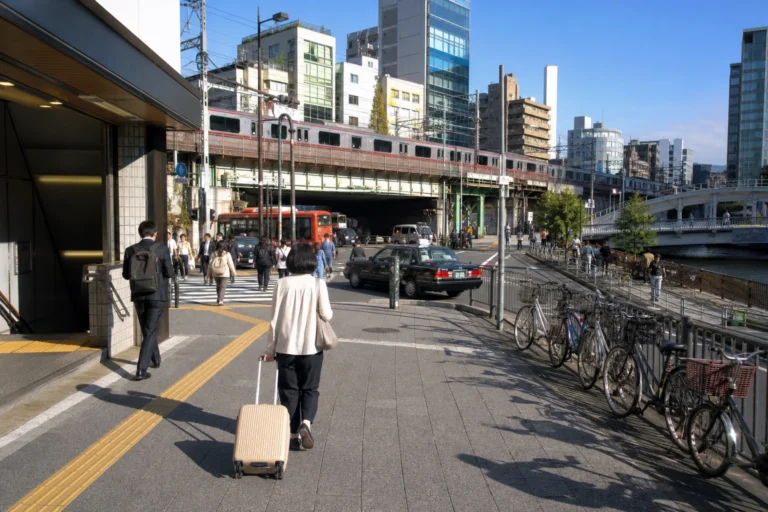
Tokyo’s JR East network, private railways, Tokyo Metro and Toei subways form an extensive public-transport system. Use a rechargeable IC card to speed transfers across operators; consider tourist rail passes only if they match your itinerary.
Central neighborhoods are walkable; bicycles and taxis help with last-mile travel or late-night transfers. Check official transit operator pages for service advisories and station access changes before travel.
Location
Map of Tokyo, Japan
The interactive map loads only when you choose to view it.
Plan Your Visit to Tokyo
Plan transport and timed-entry tickets around Tokyo’s layered transit network. Buy or top up a Suica or PASMO at airports or stations for seamless transfers, compare sightseeing passes to your route, and use official attraction pages and the Tokyo Metropolitan Government/GO TOKYO notices to confirm closures or timed-entry requirements.
For heavy luggage, use airport rail, limousine buses, or takkyubin delivery; coin lockers and hotel storage simplify full-day outings.
Local Tips for Tokyo
Carry an IC transit card (Suica or PASMO) for trains, buses, convenience stores and many vending machines. Use staffed tourist-information counters and Tokyo Tourist Information centres for maps, luggage delivery (takkyubin) and SIM/eSIM guidance.
Avoid peak-commute trains where possible, carry some cash for smaller shops and markets, and verify attraction opening times and ticket rules on official sites before you go.
Live conditions
Current Weather

Updated 2026-11-05 18:30
- Feels like
- 16°C / 61°F
- Today’s high / low
- 17°C / 63°F · 13°C / 55°F
- Humidity
- 79%
- Wind
- ↑ 6 km/h
- Precipitation
- 0 mm
- Chance of rain
- 86%
- Local time
- 2026-11-05 18:34
Safety
Tokyo’s public-safety systems are robust, but visitors should prepare for earthquakes and severe weather (typhoons, heavy rain). Download official alerts, follow Japan Meteorological Agency and Tokyo Metropolitan Government guidance, and carry emergency contacts and basic supplies when traveling outside central areas.
Maintain normal vigilance in crowded places and check official attraction pages for any access restrictions before indoor visits.