
Travel Guide
Plan your visit around Parque Balvanero Vargas, Puerto de Limón, and more of Limón, Costa Rica.
Discover the best things to do in Limón, Costa Rica, from signature sights to memorable local experiences.
Key activities include waterfront walks along the malecón, a visit to Parque Balvanero Vargas, and stops at cultural venues such as the Museo Etnohistórico and Casa de la Cultura. Municipal walking guides combine these sites into an easy downtown route that highlights the city’s port history and Caribbean heritage.

Why Visit Limón
Visit Limón to experience Costa Rica’s Caribbean cultural heart. The city offers lively waterfront promenades, Afro‑Caribbean cuisine, and preserved timber and Victorian‑Caribbean architecture.
Public parks such as Parque Vargas and approachable cultural venues interpret the province’s port and multiethnic history. Limón is also a practical base for short nature excursions to nearby beaches and islets.
Municipal and national tourism materials provide curated walking routes that concentrate key sites into a single downtown visit.
Top Things to Do in Limón, Costa Rica
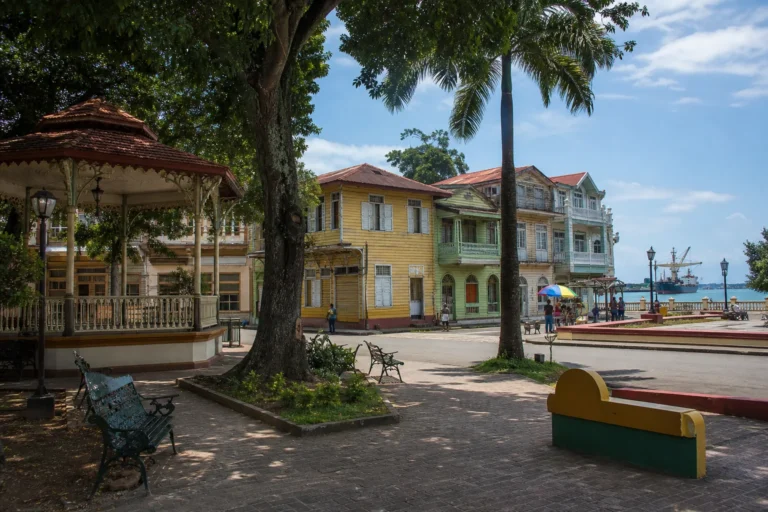
Limón’s compact downtown centers on Parque Balvanero Vargas, a working waterfront promenade, and a cluster of small cultural venues. Official walking guides group these sites into a single route linking heritage buildings, public art and port views.
Parque Balvanero Vargas (Parque Vargas)
Parque Balvanero Vargas is Limón’s historic central park, created from a United Fruit Company land donation in 1895 and anchored by an octagonal kiosk. Visitors stroll under tall Caribbean trees, photograph the distinctive kiosk, and view memorials that reflect the city’s Afro‑Caribbean and port history.
The park anchors downtown walking routes that connect to the waterfront and nearby heritage streets.
Puerto de Limón (port and waterfront/malecon)
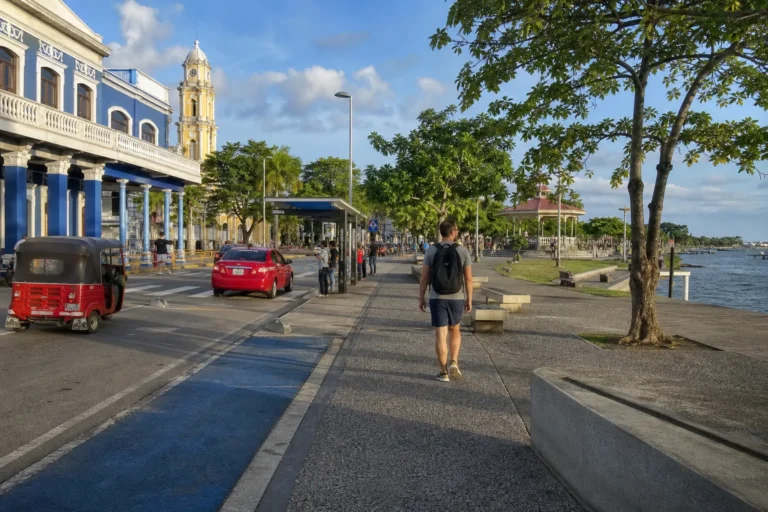
Puerto de Limón is Costa Rica’s principal Caribbean port and the adjacent urban waterfront (tajamar or malecón). The promenade offers coastal views and a sense of the city’s maritime identity, and it frequently forms part of official walking routes.
Much of the port is active and restricted, so confirm passenger access rules, terminal arrangements and any security limits with the port authority or your cruise operator before visiting.
Official Puerto de Limón (port and waterfront/malecon) website →
Museo Etnohistórico de Limón (Museo de Limón)
The Museo Etnohistórico de Limón interprets the province’s Afro‑Caribbean, indigenous and port histories through artifacts, archival photographs and a dedicated Afro‑Caribbean room. Housed in a historic civic building in downtown Limón, the museum offers a compact, context‑rich stop for visitors seeking the city’s cultural backstory.
Confirm current opening status and any guided‑visit requirements with municipal cultural offices before you go.
Official Museo Etnohistórico de Limón (Museo de Limón) website →
Kiosko / Anfiteatro del Parque Vargas
The kiosko and small amphitheatre in Parque Vargas are the park’s signature features and a focal point for photography, public performances and civic commemorations. The reinforced‑concrete, neoclassical/Art Nouveau kiosk serves as a meeting point on walking routes and occasionally hosts performances.
Check with the Municipalidad de Limón or Casa de la Cultura for scheduled events or permit requirements for special uses.
Centro de Cultura y Comercio del Caribe / Casa de la Cultura
Casa de la Cultura is Limón’s main municipal cultural centre, hosting exhibitions, performances and workshops that highlight Caribbean arts and traditions. The upper floor has long housed the Museo Etnohistórico, though the building has been subject to rehabilitation and often operates for scheduled programs.
Verify opening times and exhibit availability before planning an indoor visit.
Official Centro de Cultura y Comercio del Caribe / Casa de la Cultura website →
Malecón / rompeolas and historic waterfront walk
The malecón and rompeolas form Limón’s historic waterfront walk, offering maritime views, the long breakwater and a promenade that links downtown streets to the shoreline. The route provides photo opportunities and a feel for the city’s working‑port character, though adjacent port facilities are operational and sometimes restricted.
Check port authority guidance and municipal notices for current pedestrian access and safety information.
Official Malecón / rompeolas and historic waterfront walk website →
Edificio del Correo (historic post office / heritage building)
The Edificio de Correos y Telégrafos de Limón is an early‑20th‑century civic building noted for Caribbean‑Victorian and Art Nouveau ornament. Declared part of Costa Rica’s architectural heritage, it anchors downtown walking routes and is best appreciated as an exterior architectural stop.
Interior access and museum displays have varied, so confirm indoor access before assuming the building is open.
Official Edificio del Correo (historic post office / heritage building) website →
Centro de Turismo Cultural (historic downtown walking route)
The Centro de Turismo Cultural operates as a programmed cultural venue in historic downtown Limón. It offers rotating exhibitions, workshops, culinary‑heritage demonstrations and locally organised tours that link Parque Vargas, the waterfront and nearby heritage buildings.
Because activities are scheduled, check hours, current exhibitions and guided‑tour availability with the centre or municipal tourism office before visiting.
Official Centro de Turismo Cultural (historic downtown walking route) website →
Best Time to Visit Limón
The driest months on the Caribbean coast—typically February through April—are easiest for outdoor walking routes, the waterfront and short boat trips to nearby islets. Limón sits in a wet tropical climate, so expect frequent rain outside those months and plan flexible schedules for outdoor activities.
Check local tourism sources for seasonal event dates and any temporary closures before booking indoor visits or guided walks.
Getting Around Limón
Limón’s compact core and waterfront are walkable for short visits. Municipal walking brochures outline a downtown itinerary linking Parque Vargas, the malecón and heritage sites.
Local taxis and moto‑taxis serve short hops. Intercity buses and Routes 32 and 36 connect Limón with San José, Cahuita and other Caribbean destinations.
For island outings such as Isla Quiribrí, arrange boat transfers through licensed operators and confirm embarkation points with tourism offices.
Location
Map of Limón, Costa Rica
The interactive map loads only when you choose to view it.
Plan Your Visit to Limón
Check municipal and national tourism pages before booking indoor visits. Several heritage buildings and cultural venues have undergone rehabilitation and sometimes operate on scheduled programs.
Book guided walking routes and cultural tours in advance during high season and cruise-call days. Allow extra time for bus connections from nearby parks and confirm hotel availability near Parque Vargas if you want to stay close to the port.
Local Tips for Limón
Limón’s downtown is compact: Parque Balvanero Vargas, the malecón/rompeolas, the Edificio del Correo and Casa de la Cultura sit within a short walk of the waterfront and cruise terminal. Bring sun protection and light rain gear; sudden showers are common.
Carry small bills and a card—some businesses prefer cash. Visit weekday mornings for quieter streets and better access to cultural venues.
Be mindful of industrial activity near the port when planning waterfront photos or walks.
Live conditions
Current Weather

Updated 2026-09-20 07:45
- Feels like
- 29°C / 85°F
- Today’s high / low
- 29°C / 84°F · 25°C / 78°F
- Humidity
- 80%
- Wind
- ← 9 km/h
- Precipitation
- 0.31 mm
- Chance of rain
- 86%
- Local time
- 2026-09-20 07:49
Safety
Limón is generally safe for daytime sightseeing in main tourist areas, but use normal urban caution. Avoid poorly lit or quiet streets at night, keep valuables discreet, and use hotel or official taxi services after dark.
Be aware of port and industrial operations on the waterfront and obey signage around restricted areas. Check municipal alerts and national tourism advisories before travel and use licensed guides for remote excursions.