
Travel Guide
Find top sights, local places, maps, weather, and simple trip tips for Auckland, New Zealand.
Looking for Things to Do in Auckland, New Zealand? Use this guide to compare top sights, local tips, maps, weather, and nearby places.
If you’re searching for things to do in Auckland you’ll find a compact city framed by two harbours, volcanic cones and quick ferry hops to islands in the Hauraki Gulf.
Auckland blends a lively waterfront CBD, museums and galleries, and neighbourhood dining with accessible nature. Volcanic maunga for short hikes, family-friendly parks and island beaches all within easy reach of downtown.
Why Visit Auckland
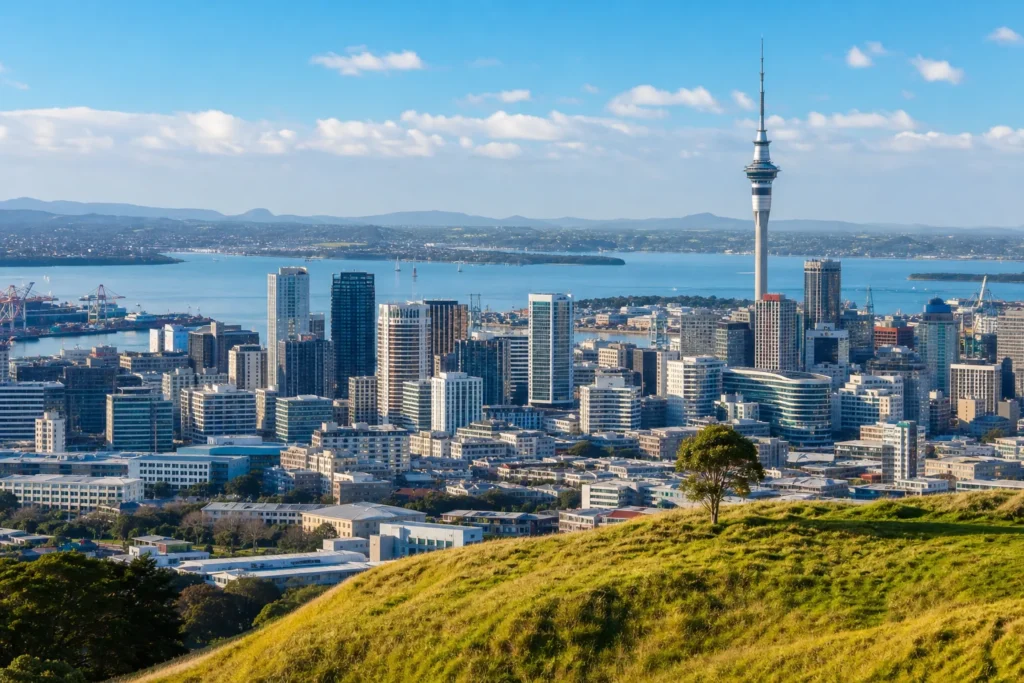
Visitors come to Auckland for an urban-nature mix that’s unusually compact: national museums and galleries sit close to volcanic summits and working harbours, while nearby islands offer vineyards, beaches and short hikes.
The waterfront and Viaduct Harbour are lively dining and sailing hubs, and cultural programmes, Pacific and Māori influences, and family attractions like Auckland Zoo give visitors varied day options and a strong gateway experience to Aotearoa / New Zealand.
Top Things to Do in Auckland, New Zealand
From skyline views to island walks and museum collections, these are the core experiences that show Auckland’s mix of city culture and coastal nature.
Sky Tower
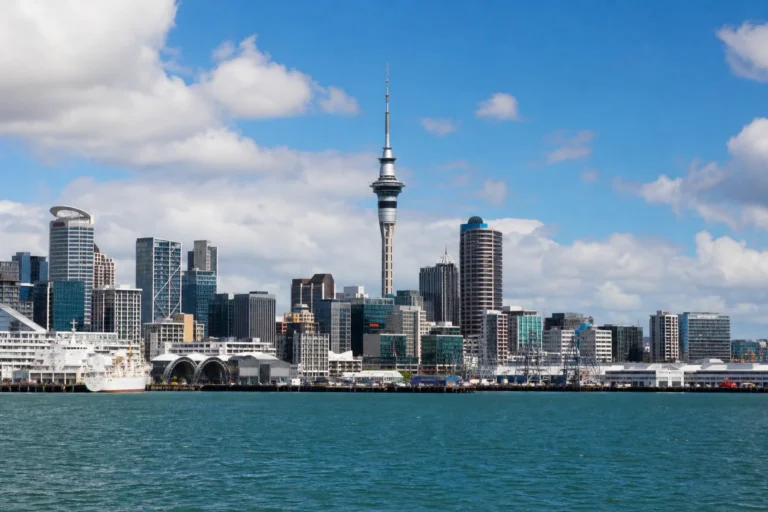
Sky Tower dominates Auckland’s skyline, rising to 328 metres with three circular public observation levels that deliver 360-degree views across Tāmaki Makaurau. Glass-fronted lifts move visitors quickly from street to pod, where a revolving restaurant and citywide panoramas reward clear days.
The precinct also hosts high-adrenaline experiences—the SkyWalk and SkyJump—off exterior platforms for prepared participants. The tower is engineered for wind and seismic forces and concentrates public access in the elevator-served pod.
Practical notes: plan a clear day for best visibility, expect wind on exterior platforms, and check official guidance for any temporary access changes.
Auckland War Memorial Museum (Auckland Museum)
Tāmaki Paenga Hira Auckland War Memorial Museum stands on Pukekawa in Auckland Domain and combines a 1929 neo‑classical building with collections that trace regional natural and human histories. Inside, major Māori and Pacific taonga sit alongside natural history specimens and social-history displays.
Highlights include the carved wharenui Hotunui and the waka taua Te Toki‑a‑Tāpiri; many galleries include bilingual interpretation and cultural context. The museum emphasises collection care, research and community relationships, and runs education, handling and performance programmes.
Practical advice: allow time for the Māori and Pacific galleries and check the museum’s official channels for changing exhibition access.
Official Auckland War Memorial Museum (Auckland Museum) website →
Auckland Art Gallery Toi o Tāmaki
Auckland Art Gallery Toi o Tāmaki sits beside Albert Park, spanning historic and modernist spaces after a major redevelopment that introduced a kauri timber canopy and expanded galleries.
The institution holds one of Aotearoa New Zealand’s largest public art collections, from 19th-century works to contemporary commissions, with Māori and Pacific art central to its displays and programmes. The building itself is part of the visit, balancing preserved façades with contemporary circulation.
General collection entry is free, though special exhibitions may charge; visitors should check the gallery’s site for guided tours, family programmes and any temporary closures.
Waiheke Island (vineyards and beaches)
Waiheke Island is a compact, varied island in the Hauraki Gulf reached by a short ferry from Auckland’s waterfront. The island pairs more than fifty boutique wineries and cellar doors with sandy beaches—Oneroa, Palm Beach and Onetangi—coastal walks, galleries and village cafés.
A warm, relatively dry microclimate suits Mediterranean grape varieties, making vineyard lunches and tastings a common pattern for day visitors. Transport on the island is modest, so many visitors book transfers or guided tours to visit multiple wineries.
Practical planning: check ferry timetables and winery opening details before you go and consider advance bookings for busy weekends.
Rangitoto Island (volcanic island & walks)
Rangitoto is the youngest and largest volcano in the Auckland Volcanic Field, formed about six centuries ago and characterised by extensive pahoehoe lava fields and a near‑symmetrical shield. Visitors land at a small wharf and follow marked tracks through regenerating pōhutukawa and across black lava rock to the tihi (summit).
The main climb is steep in places but straightforward and rewards walkers with wide views over the Hauraki Gulf and the city. Geological features—including lava tubes—and visible stages of vegetation colonisation make the island notable.
Facilities are deliberately modest to protect the environment; check park and ferry pages and follow biosecurity and tide guidance before landing.
Official Rangitoto Island (volcanic island & walks) website →
Maungawhau / Mount Eden
Maungawhau / Mount Eden is a scoria cone rising to about 196 metres with a large, well‑preserved crater roughly fifty metres deep. The maunga contains visible archaeological features from its past as a significant Māori pā—terracing, storage pits and earthworks—that inform its cultural importance.
Management by the Tūpuna Maunga Authority balances public access with protection of archaeological values. Visitors use footpaths and a raised boardwalk around sensitive areas to reach broad summit vistas across the city and harbour.
Practical advice: the crater is sacred and must not be entered; follow signed tracks and official maunga guidance.
Auckland Zoo
Auckland Zoo occupies landscaped grounds beside Western Springs Reserve and presents species in carefully composed habitats rather than traditional cages. The site includes themed precincts, an African‑style savannah and Te Wao Nui, a large precinct devoted to Aotearoa’s native ecosystems that integrates native plants and wildlife.
The zoo runs keeper talks, timed experiences and educational programmes that highlight conservation and breeding work; it participates in local and international recovery projects.
Visitors should allow several hours to explore at a relaxed pace and can plan visits around keeper talks; public transport provides easy access and the zoo posts details for special encounters and temporary changes.
Viaduct Harbour
Viaduct Harbour is a reclaimed waterfront basin on the Waitematā Harbour edge of Auckland’s CBD, combining marinas, promenades and restaurants beside moored yachts and floating pontoons. The New Zealand Maritime Museum sits on Hobson Wharf and Wynyard Quarter’s public spaces are immediately adjacent.
The precinct grew from late‑20th-century redevelopment tied to international sailing events and now supports hospitality, short harbour cruises and private charters. Visitors most often explore on foot, dine at waterfront terraces and use nearby ferry terminals for harbour trips.
Practical tip: event programming and weather can change access and amenity, so consult precinct pages before you go.
Best Time to Visit Auckland
Auckland’s temperate maritime climate is visitable year-round, but late spring through early autumn is best for island trips, beach days and vineyard lunches. Shoulder seasons (October–November and March–April) often bring milder weather and fewer crowds for ferries and summit tracks.
Winter is cooler and wetter but fine for museums, galleries and restaurants. During peak summer and holidays, book ferries and popular winery visits in advance to avoid sold-out services.
Special events
Upcoming Events
BNZ Auckland Diwali Festival
The BNZ Auckland Diwali Festival is Tāmaki Makaurau Auckland’s flagship Festival of Lights, celebrating Indian and South Asian culture with large-scale street performances, markets, creative workshops, and a fireworks finale. Free and family-friendly, it draws tens of thousands and showcases authentic food, dance, contemporary and traditional music, and public art installations—making it an accessible, high-energy cultural experience for visitors who want to sample local multicultural life, street cuisine, and memorable photo moments in Auckland’s central city.
- Dates
- October 31, 2026 - November 1, 2026
- Venue
- Aotea Square (with adjacent event activations on Queen Street and Rutland Street)
Auckland Farmers Santa Parade
Auckland’s Farmers Santa Parade is a long-running, free, family-focused Christmas parade that traditionally signals the start of the festive season in central Auckland. The event features themed floats, community groups, performers and a Santa appearance — making it attractive for families and visitors seeking lively street atmosphere, photo opportunities, and accessible post-parade festivities. It is run by the Auckland Children’s Christmas Parade Trust with naming-rights sponsorship and community partners, and remains a major annual draw for local and visiting families. ([santaparade.co.nz](https://santaparade.co.nz/?utm_source=openai))
- Dates
- November 29, 2026
- Venue
- Queen Street (central Auckland)
Auckland Anniversary Day Regatta
The Auckland Anniversary Day Regatta is a long-running, city-wide maritime festival celebrating Auckland’s founding. It’s one of the world’s largest one-day regattas and New Zealand’s oldest sporting event, featuring classic launches, modern keelboats, dinghies, waka ama, dragon boats and radio-controlled yachts. The programme offers excellent waterfront viewing across the harbour and family-friendly onshore activities, making it a memorable experience for visitors interested in maritime culture, photography and celebrations of local history. Organised by Auckland Anniversary Regatta Inc., it draws large spectator crowds and competitors from across the region.
- Dates
- February 1, 2027
Pasifika Festival
Pasifika Festival is Auckland’s large, free celebration of Pacific cultures that features village-style stages, music, dance, food and arts from across Polynesia, Melanesia and Micronesia. Delivered by Auckland’s events agency in partnership with community trusts, the festival draws families, performers and visitors seeking authentic cultural performances, island cuisine, crafts and educational experiences. Travelers appreciate its immersive cultural exchange, vibrant street food and lively performances — a high-energy public festival showcasing the region’s Pacific communities in a park setting.
- Dates
- March 13, 2027 - March 14, 2027
- Venue
- Western Springs Park
Getting Around Auckland
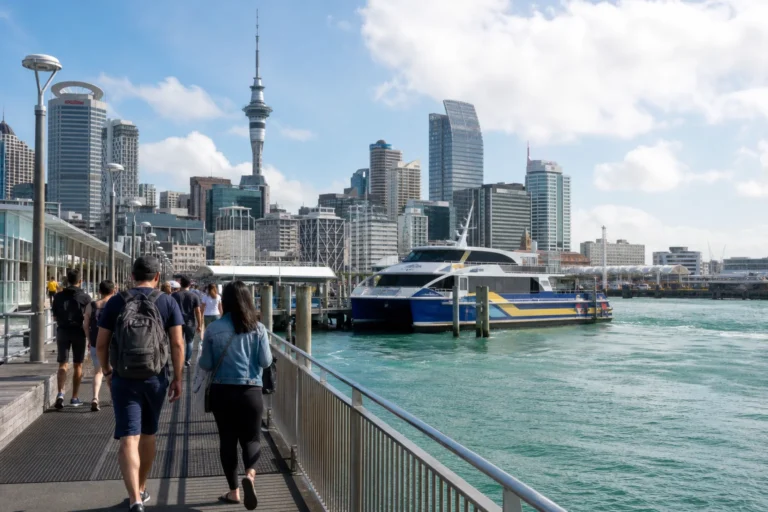
The central city and waterfront are highly walkable. Ferries link downtown to Waiheke and Rangitoto and are the main public access to islands.
Buses and suburban trains serve inner suburbs and parks; taxis, ride-hailing, bike hire and rental cars provide flexible last-mile options. Some volcanic maunga restrict vehicle access and are easiest reached on foot or by short local bus, so check connections and plan extra time for transfers and return sailings.
Location
Map of Auckland, New Zealand
The interactive map loads only when you choose to view it.
Plan Your Visit to Auckland
Plan visits by neighbourhood and ferry timetables. Use an AT HOP card or contactless payment across buses, trains and ferries; fares are integrated with caps and concessions.
Central attractions—Sky Tower, Viaduct Harbour, Auckland Art Gallery and Auckland Museum—are walkable from the CBD or a short public-transport ride. For island trips, allow extra time for return ferries and book Fullers or licensed operators during busy periods.
Carry a lightweight rain layer year-round and plan daylight when walking volcanic tracks or returning from islands.
Local Tips for Auckland
Book ferries early for peak weekends to Waiheke and check DOC guidance before landing on Rangitoto. At Maungawhau / Mount Eden use marked access points and the visitor centre to learn about cultural protocols and current site works.
The crater is sacred and must not be entered.
Museums and galleries publish visitor maps and access details on their sites, and many central attractions have nearby luggage options. Start early to avoid crowds and Auckland’s late-afternoon sea breezes.
Live conditions
Current Weather

Updated 2026-08-26 23:15
- Feels like
- 11°C / 51°F
- Today’s high / low
- 17°C / 63°F · 9°C / 48°F
- Humidity
- 98%
- Wind
- ← 9 km/h
- Precipitation
- 0 mm
- Chance of rain
- 20%
- Local time
- 2026-08-26 23:22
Places to Visit Near Auckland
A popular Hauraki Gulf island known for its boutique vineyards, beaches and laid-back village culture. Ideal for a relaxed day of wine tasting, coastal walks and seaside cafés reached by ferry from Auckland.
A distinctive volcanic island dominated by a lava-strewn summit and coastal lava fields. Visitors hike to the summit for panoramic gulf and city views and explore unique volcanic landscapes on a half- or full-day excursion.
A rugged west‑coast village famed for its dramatic black‑sand beach, powerful surf and iconic Lion Rock. A favorite short escape from the city for beach walks, surfing and coastal scenery.
A small rural village and wine region offering boutique vineyards, artisan food, galleries and a popular farmers’ market. A gentle countryside day trip focusing on local produce, wine tasting and relaxed coastal scenery.
A coastal peninsula with scenic beaches, native bush and small towns. Visitors come for coastal drives, beach walks and short hikes that showcase the region’s laid‑back charm and natural scenery on a day or weekend trip.
Safety
Auckland is generally safe for visitors when standard urban precautions are followed. Watch belongings in crowded areas and on ferries, take care on wet volcanic rock and steep tracks, and follow Department of Conservation guidance for Rangitoto.
Observe Tūpuna Maunga rules at Mount Eden and museum safety guidance. Use official ferry operators, check weather and service notices before island trips, and allow extra time for busy public‑transport transfers.