
Travel Guide
Plan your visit around Odori Park and Sapporo TV Tower, Susukino entertainment district, and more of Sapporo, Japan.
Things to Do in Sapporo, Japan is a concise guide to the city’s parks, museums, markets and seasonal festivals. Use this guide to compare top sights, local tips, maps, and weather.
Sapporo is compact and walkable and serves as a practical base for eastern Hokkaido day trips. Confirm operating status of indoor attractions and special‑event schedules with official municipal or attraction pages before travel.
Why Visit Sapporo
Sapporo pairs urban comforts with easy access to Hokkaido nature. Winter brings heavy snow and the Snow Festival’s sculptural displays.
Summer offers beer gardens, late cherry blossoms and accessible hiking. Cultural highlights include Moerenuma Park’s large‑scale design, the Historical Village of Hokkaido’s reconstructions, and the Sapporo Beer Museum.
Food is central to the visit—fresh seafood markets, soup curry and ramen alleys are major draws. Use Sapporo for short city breaks, festival trips, or as a base for wider Hokkaido exploration.

Top Things to Do in Sapporo, Japan
Sapporo is best seen as a mix of seasonal parks, compact cultural sites, and lively food districts. Below are signature places and practical visit notes to help plan your time.
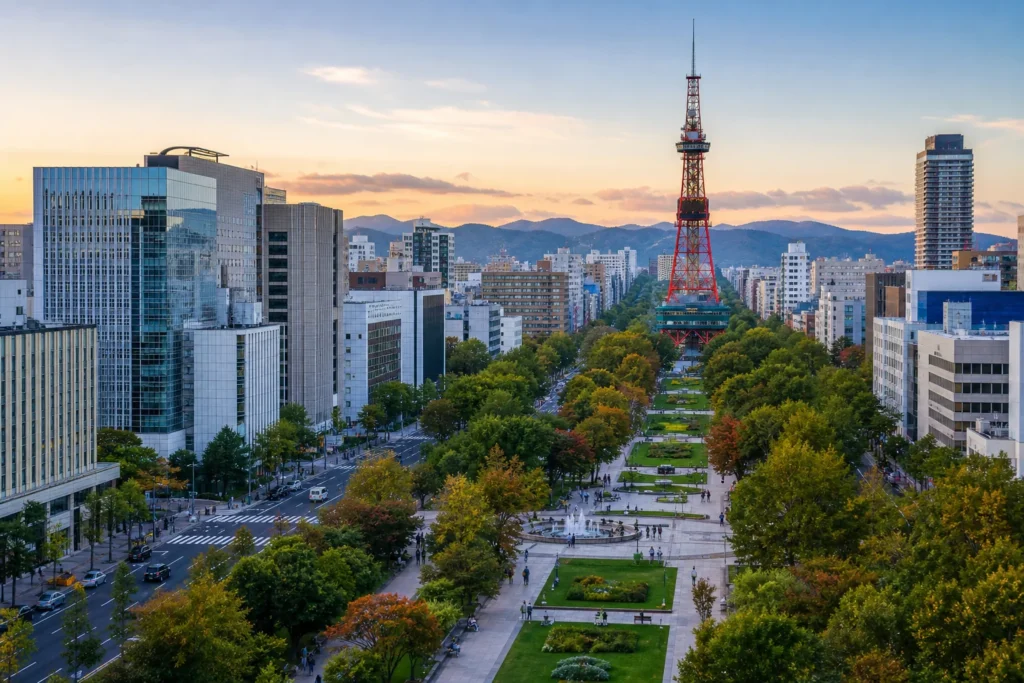
Odori Park and Sapporo TV Tower
Odori Park is Sapporo’s linear central greenway, stretching about 1.5 kilometres through the city and hosting major seasonal festivals. The park features lawns, planted beds, sculptural pavilions and distinct chome blocks that each have a different character.
The Sapporo TV Tower stands at the park’s east end and has an observation deck with panoramic views down the park and across central Sapporo. Festival infrastructure can restrict access to parts of the park and the tower may close for inspections, so check official notices before planning a timed visit.
Susukino entertainment district (including Ramen Yokocho)
Susukino is Sapporo’s dense, neon‑lit nightlife and dining quarter with izakaya, bars, karaoke and multi‑story eating floors. Within Susukino, Ramen Yokocho (Ganso Sapporo Ramen Yokocho) is a narrow alley of small ramen stalls famed for Sapporo’s miso ramen served at counters.
The district is busiest after dark; venues may enforce entry rules or require reservations. During the Snow Festival Susukino becomes Susukino Ice World, changing pedestrian flows, so plan for crowds and variable English support.
Official Susukino entertainment district (including Ramen Yokocho) website →
Moerenuma Park (Isamu Noguchi park)
Moerenuma Park is a large sculptural landscape conceived by Isamu Noguchi and presented as a single walkable work of landscape art. Key features include geometric mounds, Play Mountain, the Glass Pyramid (HIDAMARI) and wide promenades.
Seasonal highlights include a summer fountain and wading area and winter cross‑country skiing and sledding. The park is free to enter, but facilities such as the Glass Pyramid, rentals and fountain operations follow separate schedules.
Check the park’s official information for closures and event restrictions.
Sapporo Beer Museum and Sapporo Garden Park
The Sapporo Beer Museum occupies historic red‑brick brewery buildings within Sapporo Garden Park and traces the brewery’s history. Visitors can view interpretive exhibits, join museum tours and often take paid beer tastings.
The adjacent Sapporo Beer Garden provides dining halls and seasonal food events that pair well with a museum visit. Some tours, tastings and group arrangements may require advance reservations, and the wider site can be seasonally busy—confirm details on the museum’s official pages.
Official Sapporo Beer Museum and Sapporo Garden Park website →
Historical Village of Hokkaido (Hokkaido Kaitaku no Mura)
The Historical Village of Hokkaido is an open‑air museum that displays 52 relocated historic buildings from the Meiji to early Shōwa periods. Visitors stroll reconstructed streets, enter many period interiors, and join seasonal craft programs and guided walks.
The site covers a large, partly wooded campus and visits typically take a couple of hours. The museum operates seasonally; many programs and interiors run only in defined months.
Verify the museum’s current seasonal schedule before planning a visit.
Official Historical Village of Hokkaido (Hokkaido Kaitaku no Mura) website →
Hokkaido Shrine and Maruyama Park
Hokkaido Shrine (Hokkaido Jingu) sits within wooded Maruyama Park and serves as a cultural focal point for cherry‑blossom viewing, ceremonies and festivals. The precinct includes approach paths, torii gates, worship buildings and seasonal festival stalls.
Maruyama Park offers trails, specimen trees and nearby attractions such as Maruyama Zoo. The shrine is active and some ritual areas or ceremonies are not open to tourists; wedding or festival activity can restrict access.
Check official shrine and park sources for event dates and visitor guidance.
Sapporo Clock Tower (Tokei-dai)
The Sapporo Clock Tower (the Former Sapporo Agricultural College Drill Hall) is a nationally designated Important Cultural Property and a compact museum. The site highlights Meiji‑era architecture, a ground‑floor exhibition and the second‑floor drill hall with the historic clock mechanism.
Visits are usually short and focus on the building’s heritage and the audible hourly bell. The Clock Tower can close for inspections or maintenance, so confirm opening status and group‑booking rules on the official information before planning a timed visit.
Sapporo Central Wholesale Market / Nijo Market
The Sapporo Central Wholesale Market and nearby Nijo Market form the city’s seafood and produce hub. Retail zones and Nijo Market offer fresh seafood stalls, small restaurants and ready‑to‑eat bowls.
The wholesale compound is primarily an industry facility and some areas are restricted for safety and biosecurity reasons. Early‑morning wholesale activity and auctions may require organised tours or pre‑arranged access.
Check market sources for vendor hours and any temporary relocations before planning an early visit.
Official Sapporo Central Wholesale Market / Nijo Market website →
Best Time to Visit Sapporo
Sapporo has four distinct seasons. Late April–early May is good for late‑blooming cherry blossoms.
June–August brings warm, low‑humidity summers and outdoor festivals. Mid‑September–October offers vivid autumn foliage and fewer crowds.
For snow culture and the Snow Festival, plan for January and February and book well in advance. Always verify exact festival dates and major‑venue availability on official city and attraction sites before booking.
SPECIAL EVENTS IN Sapporo
Sapporo Autumn Fest
Sapporo Autumn Fest is Hokkaido’s major autumn food festival, bringing together producers, restaurants, and craft beverage makers from across the region for a lively outdoor tasting event. Visitors can sample seasonal seafood, dairy, produce and regional specialties while discovering local culinary styles in compact tasting portions. The festival is a practical stop for travelers who want a wide, curated introduction to Hokkaido food culture in one place, along with casual outdoor dining, occasional live programming, and an easy walkable layout.
- Dates
- September 11, 2026 - October 3, 2026
- Venue
- Odori Park
Sapporo International Short Film Festival & Market (SAPPORO Short Fest)
SAPPORO Short Fest is an annual international short-film festival and marketplace that highlights contemporary short fiction, documentary and animated work from Japan and around the world. The program combines competitive screenings, a short-film market for industry professionals, curated special programs, juried awards and educational events that attract filmmakers, programmers and curious travelers. For visitors it offers a compact way to sample cutting-edge cinema, attend panels or industry sessions, and discover new filmmakers — useful for cultural travelers and film professionals alike.
- Dates
- October 23, 2026 - October 25, 2026
- Venue
- Concarinho (生活支援型文化施設 コンカリーニョ)
Sapporo White Illumination
Sapporo White Illumination is a long‑running winter lighting festival that dresses central Sapporo in large light artworks and tree‑lined corridors. Travelers enjoy evening strolls, photo opportunities and a festive atmosphere that pairs well with local winter food and the adjacent German Christmas Market. The event is notable as one of Japan’s earliest city illuminations and is staged across several linked downtown venues, making it an accessible, family‑friendly highlight of Sapporo’s winter season.
- Dates
- November 20, 2026 - March 14, 2027
- Venue
- Odori Park (1–5 chome)
Sapporo Snow Festival (Sapporo Yuki Matsuri)
The Sapporo Snow Festival is Hokkaido’s largest winter celebration, organized by the Sapporo Snow Festival Executive Committee. Hosted across multiple city sites, it features monumental snow and ice sculptures, international competitions, illuminated night displays, family snow activities, and seasonal food stalls. Travelers visit for iconic photo opportunities, easy access from central Sapporo, and a lively winter atmosphere that pairs well with nearby hot springs and ski areas. The festival draws large crowds, so plan transportation and lodging well in advance.
- Dates
- February 4, 2027 - February 11, 2027
- Venue
- Odori Park (Odori Site)
YOSAKOI Soran Festival
YOSAKOI Soran Festival is Sapporo’s signature early-summer street-dance celebration that brings together hundreds of teams performing high-energy choreographies combining naruko clappers and the local Soran Bushi tradition. The city-wide event animates Odori Park and multiple public stages with colorful costumes, live music, food stalls, and spectator competitions—ideal for travelers seeking vibrant cultural performance, photography opportunities, and lively local food scenes. Expect large crowds and spirited community participation that highlight regional creativity and summer festival atmosphere. ([yosakoi-soran.jp](https://www.yosakoi-soran.jp/news/36th_eventdates.html))
- Dates
- June 9, 2027 - June 13, 2027
- Venue
- Odori Park and multiple public venues across Sapporo
Getting Around Sapporo
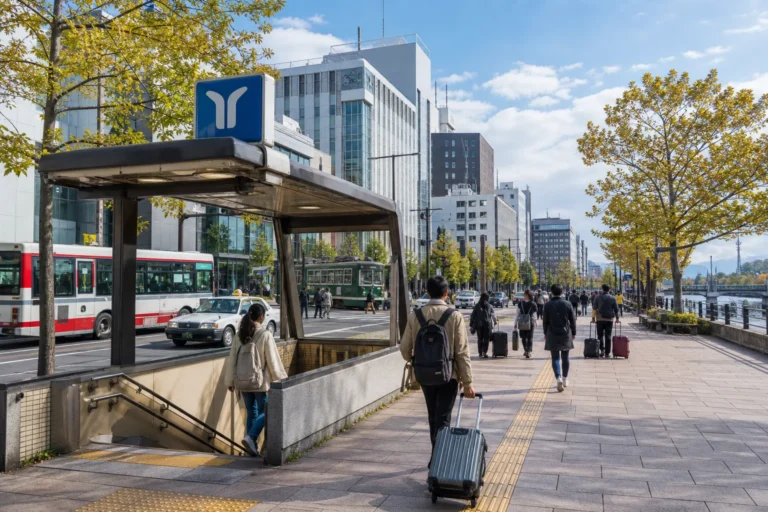
Sapporo’s compact core links Odori, Sapporo Station and Susukino by short subway rides or walkable streets. The subway, JR lines and buses are easy to use and accept IC cards.
Taxis are plentiful but relatively costly. For day trips use JR or express buses.
In warm months cycling and walking work well. Check municipal sites for station construction or special‑event traffic that could change routes.
Location
Map of Sapporo, Japan
The interactive map loads only when you choose to view it.
Plan Your Visit to Sapporo
Arrive via New Chitose Airport and take JR Hokkaido’s Airport Rapid or Special Rapid trains to Sapporo Station (about 33–40 minutes). Within the city use subway lines, JR, the streetcar and municipal buses.
Buy single tickets, day passes, or use IC transit cards such as Kitaca or Suica. For major museums and parks check official attraction pages for seasonal hours and any advance‑booking rules before finalising timed visits.
Local Tips for Sapporo
Carry a rechargeable IC transit card (Kitaca, Suica or compatible) for JR, subway, streetcar and many buses. Keep cash for markets and smaller eateries.
Expect warm, humid summers and cold, snowy winters; pack layered clothing and waterproof footwear for winter. Try standing ramen lanes in Susukino and fresh seafood at Nijo Market.
English signage is common in central areas, but download maps or translation apps for outlying parks and confirm holiday closures on official sites.
Live conditions
Current Weather

Updated 2026-09-21 04:00
- Feels like
- 14°C / 58°F
- Today’s high / low
- 23°C / 74°F · 13°C / 56°F
- Humidity
- 93%
- Wind
- ← 4 km/h
- Precipitation
- 0 mm
- Chance of rain
- 16%
- Local time
- 2026-09-21 04:14
Safety
Sapporo has low violent crime, but use normal urban caution in busy nightlife districts like Susukino. Hokkaido is seismically active and can be affected by heavy rain, typhoons and winter storms; monitor Sapporo City disaster pages and transport operator alerts for real‑time information.
Follow local heatstroke and winter‑weather guidance during extremes and save hotel contact details and tourist information numbers before travel.