
Travel Guide
Plan your visit around Cerro San Cristóbal, Plaza de Armas, and more of Santiago, Chile.
Discover the best things to do in Santiago, Chile, from signature sights to memorable local experiences.
Hilltop panoramas and neighbourhoods full of galleries, restaurants and markets. Start at the Plaza de Armas, add a hill climb for views of the Andes, and weave in museums and market visits for a balanced first‑time itinerary.
Why Visit Santiago
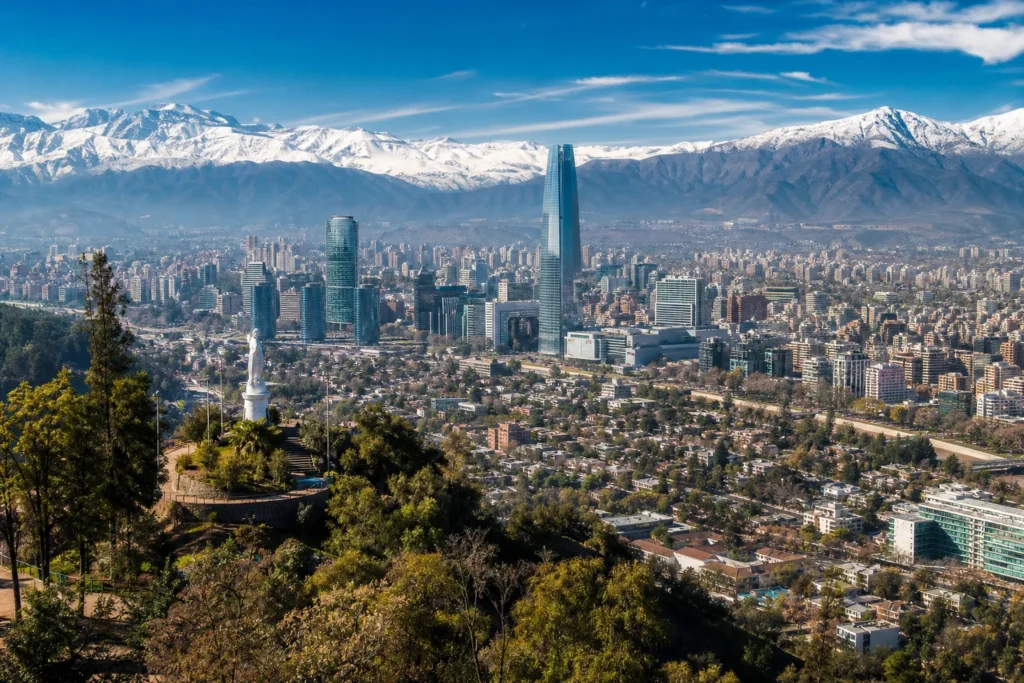
Visit Santiago to experience Chile’s political, cultural and culinary heart in one trip: colonial plazas and government landmarks sit alongside major museums, lively neighbourhoods, and market traditions. Two prominent hills—Cerro San Cristóbal and Cerro Santa Lucía—offer quick urban escapes and Andean views, while Bellavista and Lastarria/Italia concentrate dining, nightlife and galleries.
The city also serves as a practical base for day trips to wineries, the coast or mountain recreation.
Top Things to Do in Santiago, Chile
Santiago mixes accessible green hills, a compact historic core and vibrant neighbourhoods. Below are the city’s top sights and experiences that make a short stay rewarding.
Cerro San Cristóbal (Parque Metropolitano)
Cerro San Cristóbal dominates Santiago’s Parque Metropolitano and is one of the largest urban parks in Latin America. The hill’s trails, paved promenades and cycling routes lead to layered miradores and a summit terrace crowned by a large statue of the Virgin Mary, offering wide views of the city and the Andes.
Visitors can walk or cycle on varied routes, or use two historic transport options: a funicular that climbs older tracks and a panoramic cable car that crosses park valleys. The park also contains the Japanese Garden, public pools, picnic areas, a small zoo and botanical displays—making it an accessible nature break inside the urban grid.
Plaza de Armas (Historic Centre)
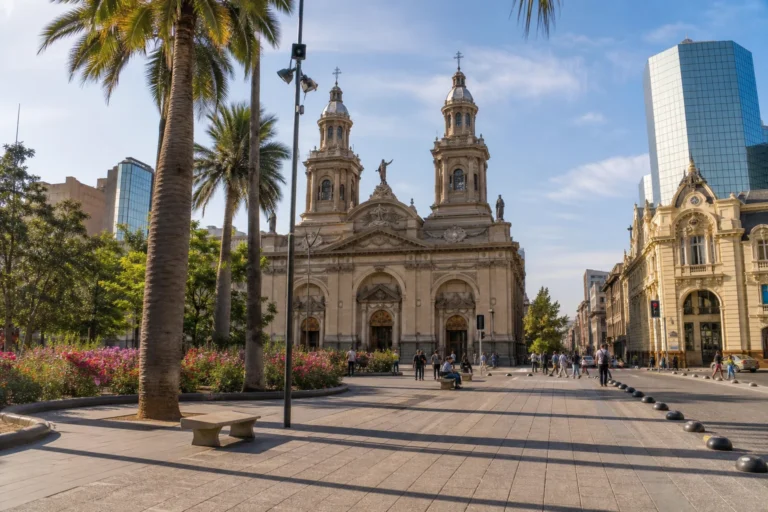
Plaza de Armas is Santiago’s colonial core and the city’s original 1541 foundation point, laid out as a traditional Spanish square. It remains a lively civic space framed by landmark institutions: the Metropolitan Cathedral, the former Cabildo (municipal offices), the National History Museum and the ornate Central Post Office.
The plaza’s benches, fountains and statues make it a social crossroads and a convenient starting point for pedestrian corridors, historic arcades and nearby cultural routes. Inside surrounding buildings you’ll find museum rooms, cathedral chapels and small shops and cafés—check institutional pages for temporary events or access changes before visiting.
Museo Nacional de Bellas Artes
The Museo Nacional de Bellas Artes sits on the north edge of Parque Forestal in a landmark Beaux‑Arts building that is itself protected heritage. Its collections trace Chilean visual culture from colonial painting through academic, modern and contemporary practices, and the museum stages rotating temporary exhibitions, conservation work and educational programs.
Galleries are arranged to reveal art‑historical links rather than only chronology, enabling a focused two‑hour visit that still rewards repeat trips. Practical visitor features include labeled pathways, an auditorium for talks and interpretive panels; check the museum’s official resources for current exhibitions and access details.
Palacio de La Moneda (La Moneda Palace)
Palacio de La Moneda is Chile’s neoclassical presidential palace and a central symbol of national history. Designed by Joaquín Toesca and originally housing the national mint, the palace now anchors a civic axis that includes Plaza de la Ciudadanía and an underground cultural centre.
Public visits are organized by the presidential heritage office and typically include guided tours of selected ceremonial rooms and exhibitions that explain the building’s institutional role and historical significance. Because security, official use and temporary events can affect access, verify tour registration and entry requirements with official channels before planning a visit.
Barrio Bellavista (Bellavista neighbourhood)
Barrio Bellavista is Santiago’s bohemian neighbourhood at the foot of Cerro San Cristóbal, known for colourful façades, street art and a dense mix of independent restaurants, bars, live‑music venues and crafts shops.
Daytime galleries, bookstores and La Chascona (Pablo Neruda’s city house‑museum) reveal the area’s literary and artistic ties, while evenings bring a lively restaurant and club scene concentrated along Pío Nono and surrounding streets.
The quarter’s steep blocks lead up toward Mirador Pablo Neruda, offering city views from higher streets; confirm performances and reservation policies with venue listings before going out.
Mercado Central (Central Market)
Mercado Central, housed in a 19th‑century iron‑and‑glass pavilion near the river, remains a working wholesale market and a top place to taste Chilean seafood. Rows of fresh‑fish stalls and produce vendors create a concentrated sensory experience, while a cluster of sit‑down seafood restaurants serves regional dishes such as paila marina from long‑standing kitchens.
The market’s ornate ironwork and bustling aisles reflect its historic status and central role in Santiago’s culinary life; vendors and stall layouts can change, so arrive earlier or inquire in advance if you want a particular product or a seat at a favoured restaurant.
Museo de la Memoria y los Derechos Humanos
The Museo de la Memoria y los Derechos Humanos documents human‑rights violations during Chile’s 1973–1990 dictatorship and promotes memory, education and reflection. Its restrained modern building houses a permanent exhibition of testimony, documents, audiovisual recordings and objects that foreground personal stories alongside institutional evidence.
The museum offers guided tours, learning resources, archive facilities and temporary exhibits that place Chile’s recent history in broader civic and comparative contexts. Sensitive material appears in some galleries, so expect content warnings and allow at least an hour to engage thoughtfully with the exhibitions.
Official Museo de la Memoria y los Derechos Humanos website →
Cerro Santa Lucía
Cerro Santa Lucía is a compact historic hill and landscaped paseo in downtown Santiago, celebrated as the city’s traditional foundation site. Remodeled in the 19th century with terraces, stairways, fountains and ornamental plantings, the site leads visitors through successive viewpoints, small plazas and architectural follies such as cast‑iron gazebos and a castellated lookout.
Higher terraces provide compact panoramas of the civic centre and—in clear weather—Andean silhouettes. The hill’s short flights of steps and narrow walkways make it a rewarding short stop within a larger walking itinerary of central Santiago.
Best Time to Visit Santiago
Santiago has a Mediterranean climate: dry, warm summers and cooler, wetter winters. The most visitor-friendly months run from late spring through early autumn (roughly October–April), when clear skies and comfortable daytime temperatures favor walking and outdoor dining.
Winter (May–September) is cooler with more rain but brings nearby skiing opportunities for travellers combining city and mountain activities. Shoulder seasons offer fewer crowds and agreeable weather for museums and short excursions.
SPECIAL EVENTS IN Santiago
Lollapalooza Chile
This large, multigenre music festival is one of Latin America's marquee cultural events, drawing major international headliners alongside Chilean artists across pop, rock, electronic and urban stages. Travelers attend for the concentrated live-music experience, broad food and craft offerings, and vibrant neighborhood energy created by festivalgoers. Advance planning matters — tickets and nearby lodging often sell out, and local transport is busier than usual — so visitors should book early, monitor official channels for lineup and access details, and allow extra time for security and transit.
- Dates
- March 12, 2027 - March 14, 2027
- Venue
- Parque O'Higgins
Getting Around Santiago
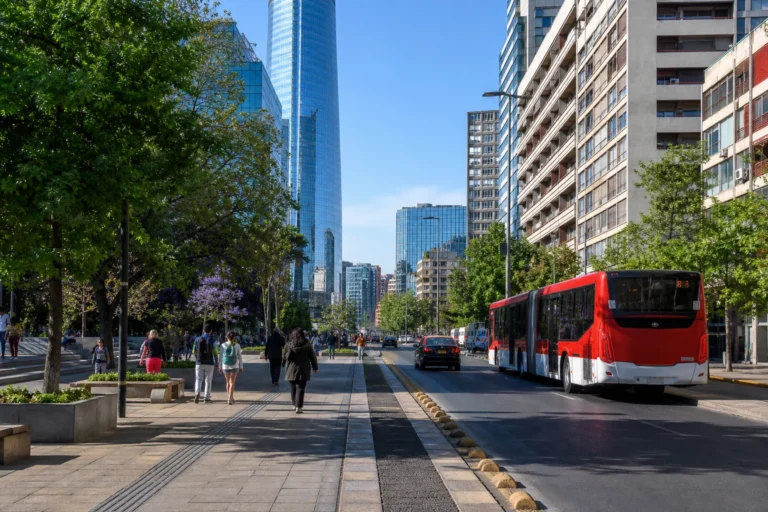
Santiago’s electrified Metro links central districts efficiently and pairs with a dense bus network and ride-hailing services for shorter trips. Central sites—Plaza de Armas, Cerro Santa Lucía and Museo Nacional de Bellas Artes—are walkable from downtown.
Cerro San Cristóbal is accessible on foot, by funicular, or by cable car across park valleys. For excursions beyond the city, intercity buses and private tours depart from major terminals.
Location
Map of Santiago, Chile
The interactive map loads only when you choose to view it.
Plan Your Visit to Santiago
Santiago is easiest to explore by Metro and bus—get a BIP contactless card to load fares and transfer between services. Many central attractions sit within a few kilometres and are walkable from each other; check museum and La Moneda pages for guided-visit requirements and photo‑ID rules.
Dress in layers for variable daytime temperatures and bring sun protection for hilltop viewpoints. For day trips to wineries, the coast, or mountain recreation, consider intercity buses or a rental car if you plan independent travel outside the metropolitan area.
Local Tips for Santiago
Use the Metro for most daytime travel—it is frequent and connects the main cultural nodes. For uphill access to Cerro San Cristóbal prefer the funicular or cable car if you want easier ascent.
Mercado Central is lively for seafood—arrive earlier for best stalls and restaurant seating and carry a little cash for small purchases. In Bellavista, explore by day for quieter galleries and return in the evening for restaurants and bars.
Confirm performance and ticket details with venues before heading out.
Live conditions
Current Weather

Updated 2026-09-20 13:45
- Feels like
- 12°C / 53°F
- Today’s high / low
- 16°C / 60°F · 9°C / 48°F
- Humidity
- 42%
- Wind
- ← 14 km/h
- Precipitation
- 0.1 mm
- Chance of rain
- 79%
- Local time
- 2026-09-20 14:00
Safety
Santiago is a major city with routine urban risks. Take common precautions: keep valuables discreet, use hotel safes for passports and extra cards, and be alert to pickpockets in crowded markets, transit hubs and nightlife areas.
Stay on marked paths on hilltops and avoid isolated areas after dark. Carry photo ID for some museum and government-site entries, and monitor local transit or municipal pages for strikes or service alerts.