
Travel Guide
Plan your visit around Hiroshima Peace Memorial, Hiroshima Peace Memorial Museum, and more of Hiroshima, Japan.
Things to do in Hiroshima span solemn memorials, cultural sites, and short island excursions. The compact city centers on Peace Memorial Park and the Genbaku Dome, and it pairs those internationally significant memorials with gardens, a reconstructed castle, observation decks, and easy ferries to Miyajima.
Why Visit Hiroshima
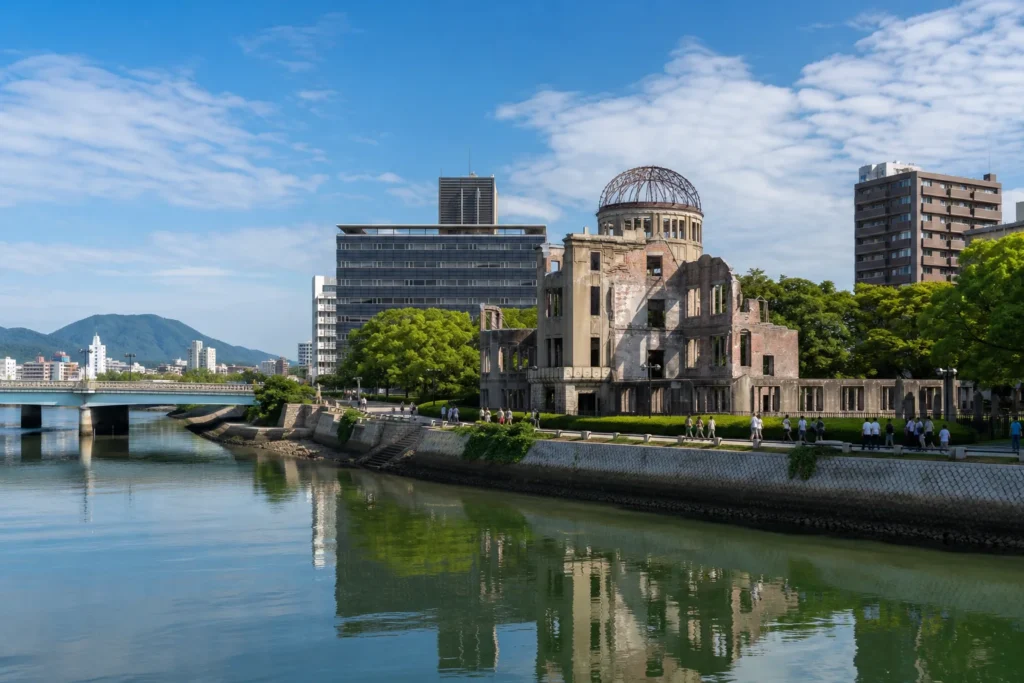
Hiroshima is visited for the combination of historical remembrance and everyday Japanese city life: to reflect at Peace Memorial Park and the Hiroshima Peace Memorial Museum, see the Genbaku Dome (a UNESCO World Heritage site), and make an easy day trip to Miyajima to view Itsukushima Shrine’s iconic floating torii.
The city also offers a restored castle keep, the Edo‑period Shukkeien Garden, contemporary viewpoints such as Orizuru Tower, and a cluster of museums that contextualize local art and postwar history.
Top Things to Do in Hiroshima, Japan
Hiroshima pairs internationally significant memorial sites with gardens, a restored castle, museums, observation decks, and short ferries to Miyajima. These core experiences are compact and often combined into half‑ or full‑day routes.
Hiroshima Peace Memorial (Genbaku Dome)
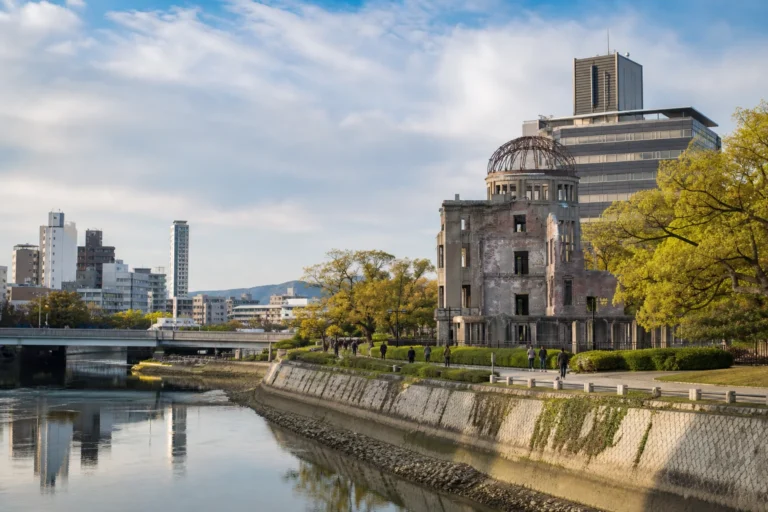
The Genbaku Dome (Atomic Bomb Dome) is the preserved skeletal ruin of the former Hiroshima Prefectural Industrial Promotion Hall located near the bomb’s hypocenter. As a UNESCO World Heritage symbol of Hiroshima’s peace movement, the Dome is primarily a visual and symbolic focal point set within Peace Memorial Park.
There is no interior access; visitors view the structure from designated park areas. Temporary conservation work, event closures, or protective scaffolding can affect sightlines, so check city notices before visiting.
Hiroshima Peace Memorial Museum
The Hiroshima Peace Memorial Museum documents the bombing’s human impact and Hiroshima’s postwar recovery through photographs, artifacts, and survivor testimony. The complex includes multiple exhibition buildings near Peace Memorial Park and is a principal site for peace education.
Because galleries are indoor and curated, the museum may require online pre‑booking for certain periods and can close temporarily for exhibit changes or events—confirm reservation rules and closures on official pages before you go.
Itsukushima Shrine (Miyajima)
Itsukushima Shrine on Miyajima is a coastal Shinto complex famed for its vermilion ‘floating’ torii and Heian‑period shrine architecture. Visitors walk elevated boardwalks over tidal waters and experience the shrine’s changing character with the tide—at high tide the torii appears to float, while at low tide you can approach it on foot.
The shrine is an active religious site and a managed heritage property; follow respectful behaviour, check tide tables and official shrine notices, and verify ferry operations before visiting.
Hiroshima Castle
Hiroshima Castle (Rijo) is the historic castle complex with moats, reconstructed compound buildings, and a keep that historically housed museum exhibits.
The reconstructed main keep’s interior access ended on March 22, 2026 for safety and future restoration planning; the keep’s exterior and the castle grounds remain visible and the outer‑ward facilities continue to operate under separate management. Confirm current status of interior access and relocated exhibits via the castle’s official information before planning an indoor visit.
Shukkeien Garden
Shukkeien is a compact Edo‑period stroll garden featuring ponds, bridges, tea houses, and scaled ‘shrunken’ landscapes designed to compress mountains, valleys and rivers into intimate views. Seasonal plantings—cherry blossoms, maples and autumn colors—make the circuit rewarding year‑round.
The garden has a formal entrance with on‑site ticketing and occasionally hosts night illuminations or special events; check the garden’s official visitor information for temporary closures or event‑only access.
Orizuru Tower
Orizuru Tower is a modern observation and cultural facility adjacent to Peace Memorial Park that interprets Hiroshima’s message of peace through exhibits and a participatory paper‑crane activity. A rooftop wooden observatory frames panoramic views of the Genbaku Dome and cityscape and the facility includes a café and shop.
Orizuru Tower may operate timed entry for the rooftop and posts irregular holidays or temporary notices—verify rooftop access and ticketing on the tower’s official site.
Miyajima (Itsukushima) island visit and ferry
Miyajima (Itsukushima) is a small island whose shrine complex and O‑torii are UNESCO‑listed. The island is reached by a roughly 10‑minute ferry from Miyajimaguchi (served by JR West and private operators), and visits combine a short sea crossing with walks through island streets, shrine boardwalks, and trails toward Mount Misen.
The shrine’s appearance and safe access depend on tides, and ferry schedules or weather can affect crossings—check operator timetables, tide tables, and shrine notices before you travel.
Official Miyajima (Itsukushima) island visit and ferry website →
Hiroshima City Museum / local art museums
Hiroshima’s municipal and regional museums—including the Hiroshima City Museum of Contemporary Art (Hiroshima MOCA), the Hiroshima Prefectural Art Museum, and the Hiroshima Museum of Art—present rotating exhibitions and collections that cover postwar themes, contemporary art, and regional history.
These indoor institutions follow exhibition schedules and ticketing rules that can include timed entry and advance reservations; check each museum’s official pages for current shows, closures, and visitor services.
Official Hiroshima City Museum / local art museums website →
Peace Memorial Park and Cenotaph for the A-bomb Victims
Peace Memorial Park is a landscaped civic memorial precinct built on land cleared after the 1945 bombing, aligned along an axis that links the Peace Memorial Museum, the Cenotaph for the A‑bomb Victims, and the Genbaku Dome.
The Cenotaph shelters a register of victims’ names and is the focal point for the city’s annual Peace Memorial Ceremony. Outdoor monuments and pathways are ordinarily viewable without fee, but major commemorative events can impose temporary closures, security screening, or restricted routes—check Hiroshima City notices if you plan to visit on or near memorial dates.
Official Peace Memorial Park and Cenotaph for the A-bomb Victims website →
Best Time to Visit Hiroshima
Spring (late March. May) and autumn (October.
November) are generally the most pleasant times to visit: mild temperatures, cherry blossoms in late March. April, and autumn foliage make outdoor sites especially appealing.
These shoulder seasons help avoid the peak summer heat and humid rainy season.
Check official event calendars for seasonal festivals or fireworks that may affect crowds.
Getting Around Hiroshima
Central Hiroshima is compact and well served by the Hiroden tram network, local buses, taxis, and short JR connections to Miyajimaguchi for ferries. Many core sights—Peace Memorial Park, Orizuru Tower, Hiroshima Castle, and Shukkeien Garden—are within easy walking distance or a short tram ride.
For convenience buy an IC transit card (ICOCA, Paspy) or single tickets and check operators’ notices for planned service changes.

Location
Map of Hiroshima, Hiroshima Prefecture, Japan
The interactive map loads only when you choose to view it.
Plan Your Visit to Hiroshima
Confirm opening hours, reservation rules, and temporary closures on official museum, shrine, and city pages before you travel. Allow extra time for luggage transfers at Hiroshima Station, and consider staying near Hiroshima Station or Hatchobori/Hondori for quick tram access to Peace Memorial Park.
Use JR or local regional passes when making multiple day trips and verify ferry schedules to Miyajima on the day of travel.
Local Tips for Hiroshima
Travel the compact center by tram and short JR rides; purchase an IC card for smooth transfers. For Miyajima, take the Sanyō Line to Miyajimaguchi and the frequent 10‑minute ferry across—follow signs at the JR terminal.
Dress and behave respectfully at Peace Memorial Park and the museum, and plan extra time to move slowly through exhibits. Public parking near Peace Park is limited, so use public transport if possible.
Live conditions
Current Weather

Updated 2026-09-23 10:30
- Feels like
- 25°C / 78°F
- Today’s high / low
- 26°C / 79°F · 15°C / 59°F
- Humidity
- 59%
- Wind
- → 4 km/h
- Precipitation
- 0 mm
- Chance of rain
- 8%
- Local time
- 2026-09-23 10:44
Safety and respectful visiting
Treat memorials and museums with care and follow posted rules inside the Peace Memorial Museum and at monuments. Parts of Peace Memorial Park may be closed or restricted for official ceremonies; check city notices for event‑day arrangements.
Miyajima can be crowded at peak times—watch children near the waterfront and be mindful of tide changes when approaching the torii.