
Travel Guide
Find top sights, local places, maps, weather, and simple trip tips for Vancouver, Canada.
Looking for Things to Do in Vancouver, Canada? Use this guide to compare top sights, local tips, maps, weather, and nearby places.
Searching for things to do in Vancouver? The city puts temperate rainforest, a seaside promenade, major museums and mountain recreation within easy reach of a walkable downtown.
From cycling the Stanley Park Seawall and browsing Granville Island Public Market to day trips on the SeaBus to the North Shore, Vancouver works as a short city break or a launching point for wider British Columbia adventures.
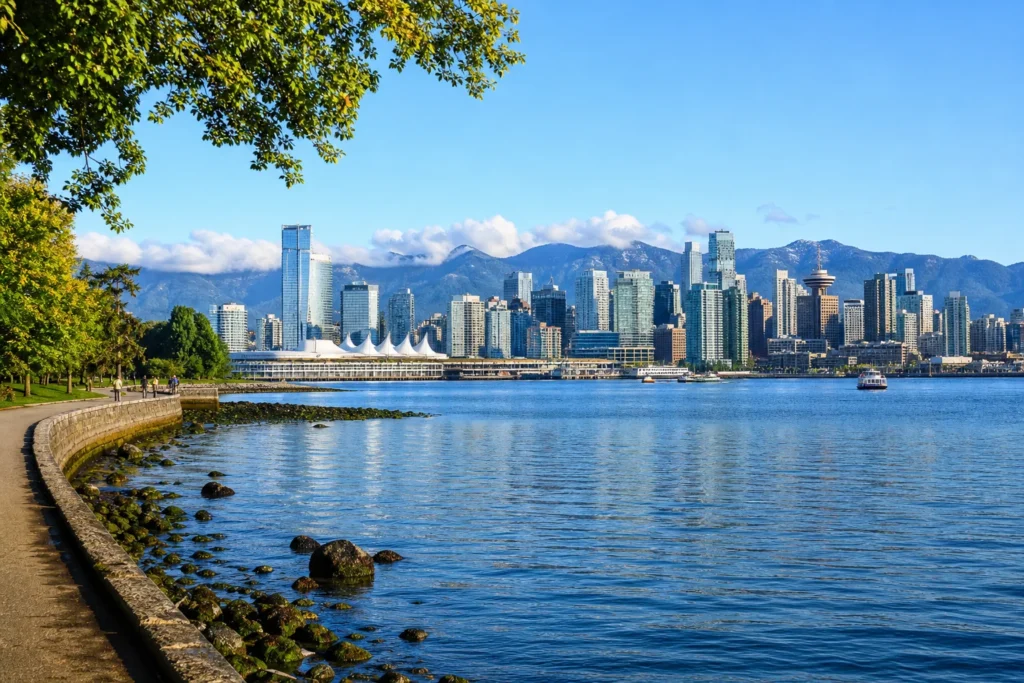
Why Visit Vancouver
Visitors come to Vancouver for the unusual combination of urban culture and immediate access to beaches, rainforest and alpine scenery. Downtown concentrates restaurants, galleries and waterfront promenades, while nearby neighbourhoods such as Gastown, Kitsilano and Granville Island supply local markets, studios and eateries.
Within minutes you can be on the Seawall or at a museum; within an hour you can be hiking or on a gondola above the city. The city’s public gardens and Indigenous cultural sites round out year‑round experiences.
Top Things to Do in Vancouver, Canada
Vancouver’s highlights mix large urban parks, neighbourhood markets, North Shore mountain attractions and museum collections. Below are the signature places and experiences to plan into a visit.
Stanley Park
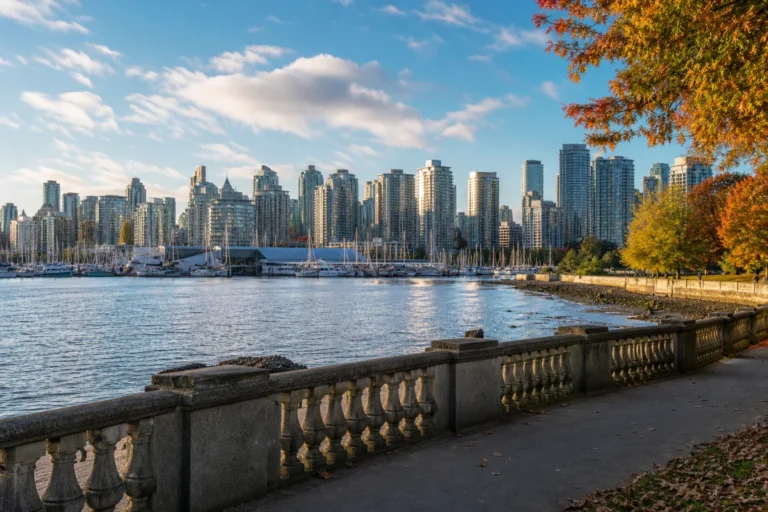
Stanley Park is Vancouver’s large urban forest and waterfront peninsula of roughly 400 hectares that edges Burrard Inlet. A defining feature is the continuous seawall that circles the park, providing several kilometres of paved pathway popular with walkers and cyclists and linking beaches, viewpoints and historic stonework.
Within the park are formal landmarks and natural sites to explore: the Northwest Coast totem pole collection, Lost Lagoon, Beaver Lake, Siwash Rock and Prospect Point.
The park combines purpose‑built roads, natural trails and shoreline pathways; popular loops can be crowded in summer and occasional maintenance can close short seawall sections, so check official park pages before you go.
Granville Island Public Market
Granville Island Public Market sits at the heart of Granville Island’s mixed‑use arts district inside rehabilitated industrial buildings. The market hosts a dense array of fresh‑food vendors, specialty grocers, bakeries and independent artisans; its bustle and variety define daily island life for residents and visitors alike.
Around the market you’ll find glassblowing studios, galleries, small theatres and educational institutions that reinforce the island’s creative character. The island is reachable by pedestrian bridges, public transit and water taxis; expect a compact, busy environment with frequent deliveries and crowds during peak hours—check the official Granville Island site for seasonal events and visitor advisories.
Capilano Suspension Bridge Park
Capilano Suspension Bridge Park places visitors in a West Coast rainforest setting above a narrow river canyon and is centered on a long, swaying suspension bridge.
The main bridge spans roughly 137 metres and sits about 70 metres above the Capilano River at its highest point, offering sustained canyon perspectives and close views of Douglas fir and western red cedar.
The park has expanded visitor experiences with elevated canopy walkways, a cliffside trail and interpretive exhibits that explain the site’s engineering and environment. Interpretation highlights the local ecosystem and First Nations connections through the Story Centre and Kia’palano area.
A typical visit takes about two hours; check access notes and seasonal programming on the park’s official pages.
Grouse Mountain
Grouse Mountain rises above North Vancouver and functions as a year‑round outdoor recreation hub with panoramic views over the city, Burrard Inlet and nearby islands. Most visitors arrive by aerial tramway—the Skyride—which delivers guests to summit facilities offering viewpoints, interpretive programs and seasonal activities.
The mountain is known for the Grouse Grind, a steep 2.5‑kilometre trail nicknamed “Mother Nature’s Stairmaster,” and for attractions such as the Eye of the Wind turbine viewing pod and a Refuge for Endangered Wildlife that interprets wildlife care. Programs and conditions change seasonally, so consult the mountain’s official resources before planning your visit.
Vancouver Art Gallery
The Vancouver Art Gallery is the city’s principal public art museum, presenting regional and international visual art in a civic, museum‑scale setting. Its collection foregrounds British Columbia artists alongside Canadian and international works, and the gallery pairs permanent displays with large temporary exhibitions that explore contemporary practice and historical themes.
Housed in a historic downtown building, the institution runs public programs, education initiatives and research activities. The gallery is planning a long‑term site renewal to expand exhibition and public facilities; check official communications for temporary closures, ticketed exhibitions and accessibility details before you go.
Museum of Anthropology at UBC
The Museum of Anthropology (MOA) at UBC is best experienced as both architecture and collection. The Great Hall, with towering carved house poles and large public displays, gives scale and context to Northwest Coast masterpieces and iconic works such as Bill Reid’s Raven and the First Men.
Designed by Arthur Erickson, the building sits into the Point Grey cliffs and frames sea‑to‑mountain views that link object display to place. MOA houses nearly 50,000 ethnological and archaeological objects and emphasizes Indigenous partnerships, repatriation practice and community‑led research.
Exhibitions and programs evolve, so check MOA’s official pages for current shows and access policies.
Gastown
Gastown is Vancouver’s oldest neighbourhood, centred on Maple Tree Square and Water Street, with preserved late‑19th and early‑20th‑century brick and stone buildings. The area’s Victorian and Edwardian facades, narrow cobbled streets and historic character reward slow walking and close observation of architectural details.
Once the city’s original settlement, Gastown combines heritage interpretation with contemporary galleries, independent restaurants and artisanal shops. Popular photo spots include the Steam Clock, though much of the appeal lies in the atmosphere of narrow lanes and restored storefronts.
Accessibility and event details are managed by local business and heritage groups—check official neighbourhood resources if you need guided walks or accessibility information.
VanDusen Botanical Garden
VanDusen Botanical Garden is a 22‑hectare cultivated landscape developed from a former golf course into a public living plant collection. The garden arranges themed plantings, specimen trees and water features to showcase global plant diversity within Vancouver’s temperate coastal climate.
Managed through a long community partnership, collections are organized by geographic and ecological themes—Asian mountain flora, Mediterranean dry‑climate plantings and a substantial rhododendron and conifer collection. Signature elements include broad lawns, winding paths and an Elizabethan hedge maze.
The site supports education, conservation and seasonal displays; consult the garden’s official site for current programs and visitor services.
Queen Elizabeth Park
Queen Elizabeth Park crowns Vancouver from a former stone quarry and occupies the city’s highest public point at roughly 125 metres above sea level. The park covers about 52 hectares of gardens, lawns and recreation spaces, blending engineered quarry terraces with civic horticulture and panoramic viewpoints.
Highlights include the Bloedel Conservatory, a domed tropical garden that shelters exotic plants and free‑flying birds, and the Quarry Garden with its stone terraces, stream and waterfall. Recreational facilities include pitch and putt, lawn bowling and a cafe; the park’s viewpoints frame downtown and North Shore mountain vistas.
Check official pages for seasonal programs and access advisories.
Best Time to Visit Vancouver
The most reliable weather for outdoor sightseeing runs from late spring through early fall, when skies are drier and trails are fully accessible. Summer offers the warmest, sunniest conditions ideal for seawall cycling, beaches and mountain recreation but is also the busiest season.
Late spring and early fall are good alternatives for milder crowds and pleasant walking conditions. Winter is wetter but still suitable for museums, festivals and winter mountain activities.
Getting Around Vancouver
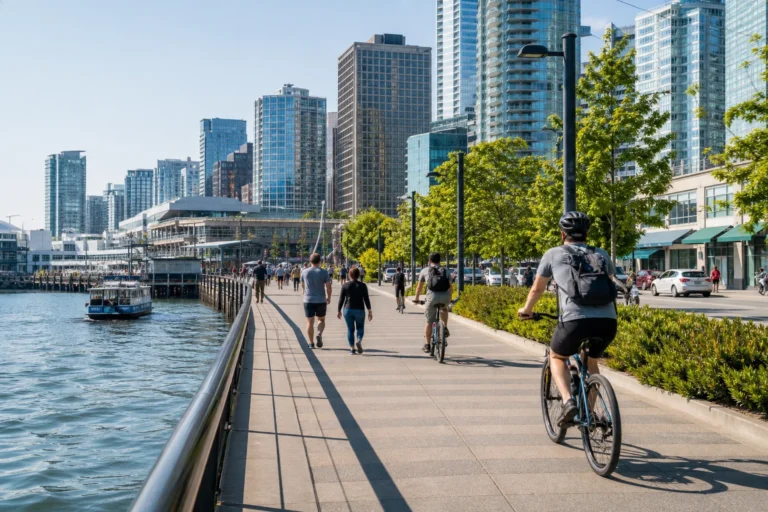
Downtown Vancouver and its nearby neighbourhoods are highly walkable and linked by waterfront promenades and separated bike lanes. Metro Vancouver’s transit network — buses, SkyTrain, SeaBus and the Canada Line to YVR — provides frequent regional connections; the SeaBus is a scenic cross‑harbour route to North Vancouver.
Ferries and False Creek water taxis connect Granville Island and nearby points. Ride‑hailing, carsharing and extensive cycling infrastructure supplement transit; a car is optional for most city-based visits unless you plan extended travel beyond the metro area.
Location
Map of Vancouver, British Columbia, Canada
The interactive map loads only when you choose to view it.
Plan Your Visit to Vancouver
Plan sightseeing in neighbourhood clusters: Downtown/Stanley Park, Gastown/Waterfront, Granville Island/Kitsilano, and the UBC/Point Grey area. Use TransLink’s Compass card or contactless payment for SkyTrain, SeaBus and buses; DayPasses simplify multiple trips.
Allow extra time for North Shore attractions (Capilano Suspension Bridge Park, Grouse Mountain), which require a SeaBus or vehicle transfer plus local bus or shuttle. Ferries and False Creek water taxis serve Granville Island.
Reserve tickets for popular attractions and summer weekends to avoid long waits.
Local Tips for Vancouver
Embrace active transport: the Stanley Park Seawall and False Creek waterfront are best by bike or on foot, and many rental shops downtown and on Granville Island offer hourly bikes. Visit Granville Island Public Market early for the liveliest selection or later in the afternoon for quieter browsing.
Factor a longer transit ride when planning UBC sites like MOA. Weather is temperate but changeable — bring a light rain layer year‑round.
Respect Indigenous sites and park signage; many cultural sites provide interpretive materials and land acknowledgements.
Live conditions
Current Weather
Updated 2026-08-26 10:15
- Feels like
- 16°C / 61°F
- Today’s high / low
- 22°C / 71°F · 16°C / 61°F
- Humidity
- 77%
- Wind
- ↘ 26 km/h
- Precipitation
- 0 mm
- Chance of rain
- 12%
- Local time
- 2026-08-26 10:26
Places to Visit Near Vancouver
The city’s large waterfront peninsula with the continuous Seawall, beaches, totem pole collection, Lost Lagoon and the Vancouver Aquarium.
Home to the Public Market, artist studios and False Creek water taxi stops linking the island to downtown.
Vancouver’s historic district with cobbled streets, the Steam Clock and independent shops near Waterfront Station.
Capilano Suspension Bridge Park and Grouse Mountain are accessible via the SeaBus plus local shuttle or bus, offering rainforest walks and alpine views.
VanDusen Botanical Garden, Queen Elizabeth Park, Vancouver Art Gallery and the Museum of Anthropology at UBC are easy day stops from the downtown core.
Safety
Vancouver is generally safe for visitors but use normal urban precautions: keep valuables out of sight, lock bikes, and be aware of busy tourist areas where pickpocketing can occur. Downtown and some transit hubs have visible homelessness and social‑service activity—treat people with respect and avoid confrontations.
In parks, stay on signed trails, keep distance from wildlife (including birds and raccoons), and watch for slippery surfaces on the Seawall after rain. For urgent emergencies call local emergency services and consult official City and TransLink advisories for up‑to‑date guidance.